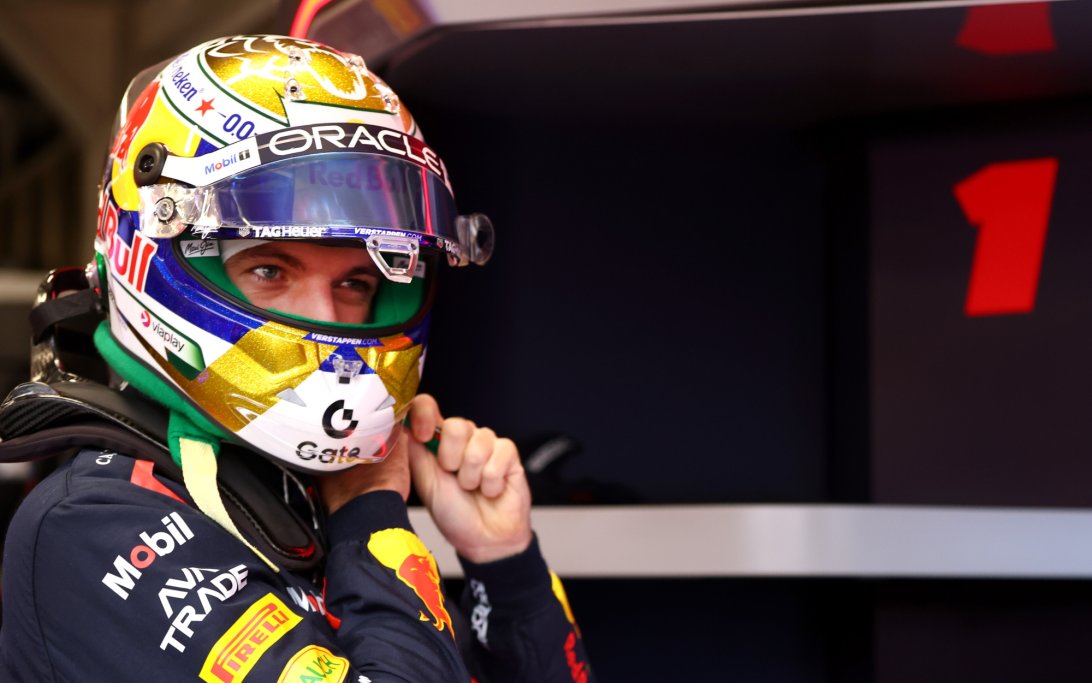
Max Verstappen's Shock Advice to F1 Hopefuls: Prioritize Simulators Over Go-Karting
Max Verstappen, a four-time F1 champion, advises young racing hopefuls to prioritize simulator training over traditional go-karting. He argues that go-karts, while teaching basics, differ vastly in handling dynamics from race cars. Verstappen, who hasn't karted since 2016, believes simulators offer more relevant practice for F1, a stance that could redefine motorsport's talent development pipeline.
Max Verstappen has stirred debate by suggesting that young racing aspirants should invest in simulators rather than solely relying on go-karting to build a career in motorsport. This unconventional advice challenges the long-held tradition of go-karting as the fundamental stepping stone for aspiring F1 drivers.
Why it matters:
- Verstappen's viewpoint, shared on the Pelas Pistas podcast with fellow F1 driver Gabriel Bortoleto, highlights a significant shift in driver development. As a four-time world champion and an avid simulator user himself, his opinion carries considerable weight within the motorsport community.
- This perspective could redefine traditional pathways into Formula 1, potentially making elite racing more accessible to those without extensive go-karting budgets, while emphasizing the growing importance of virtual training.
The Details:
- Simulator Preference: When asked to choose between 300 days of go-karting or 300 days in a simulator, Verstappen emphatically chose the simulator, stating, "Forget the go-kart."
- Fundamental Differences: He argues that while go-karting teaches basic racing principles like starts, defending, and overtaking, the fundamental driving dynamics are vastly different from a race car.
- Go-Karts: Require constant sliding, with the axle needing to be free to slide, making them behave very differently from cars with suspension.
- Race Cars: Demand the rear end to be "stuck" for maximum grip, with drivers focusing on optimizing front-end grip.
- Limited Relevance: Verstappen emphasized that a go-kart does not handle like a car and that the seating position is completely different.
- Personal Experience: Verstappen revealed he hasn't driven a go-kart since 2016, early in his F1 career. He finds more enjoyment and relevance in testing or racing GT cars or using his home simulator for F1 preparation and other racing ventures.
- Modern Training: This advice reflects a growing trend among professional drivers, who frequently use advanced home simulators to hone their skills, learn new tracks, and stay sharp.
What's next:
Verstappen's comments are likely to spark further discussion on the future of driver development programs. While go-karting will undoubtedly remain a valuable tool for young children to learn the very basics and develop race craft, the role of advanced simulation in a driver's career progression, particularly in their teenage years, seems set to grow significantly. This could lead to a re-evaluation of how young talent is nurtured and prepared for the demanding world of Formula 1, with simulators potentially becoming a more central component of early career development.