Max Verstappen slams 'anti-racing' 2026 F1 regulations
Max Verstappen has launched a scathing critique of F1's 2026 cars, calling them "anti-racing" and comparing the driving experience to "Formula E on steroids." While rivals like Lando Norris are more positive, Verstappen's comments highlight a major early divide over the new energy-management-heavy regulations, though significant performance evolution is expected before the rules debut.
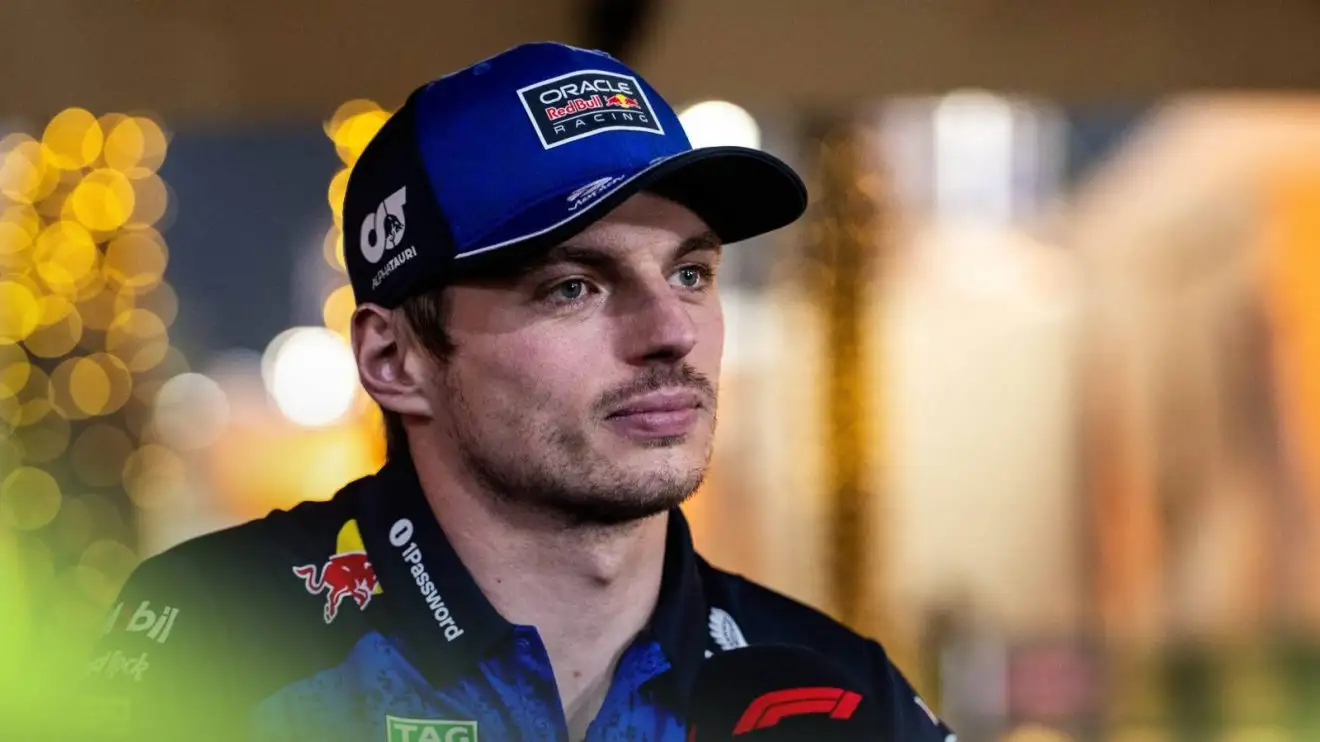
Max Verstappen has delivered a stark and honest critique of Formula 1's 2026 cars, labeling their energy-intensive driving style "not a lot of fun" and "anti-racing." The reigning champion's comments contrast with more measured or positive reactions from rivals and highlight a significant early divide over the sport's new technical direction.
Why it matters:
As F1's most dominant and outspoken current star, Verstappen's blunt assessment carries immense weight and risks casting a shadow over the new regulatory cycle before it even begins. His suggestion that the driving experience feels more like "Formula E on steroids" and his refusal to rule out the rules influencing a future retirement decision presents a major public relations challenge for the FIA and FOM, who are banking on the 2026 rules to secure the sport's future.
The details:
- Verstappen's core criticism centers on the cars' energy management demands, which require extensive lift-and-coast and even downshifting on straights to harvest energy, preventing drivers from pushing flat-out.
- He contrasted his view with the engineering challenge, stating that while the rules are the same for everyone, the sensation for the driver is "not very F1-like."
- Other drivers have been more circumspect. George Russell described the sensation as normal, while Fernando Alonso acknowledged a different, less instinctive driving style but kept an open mind.
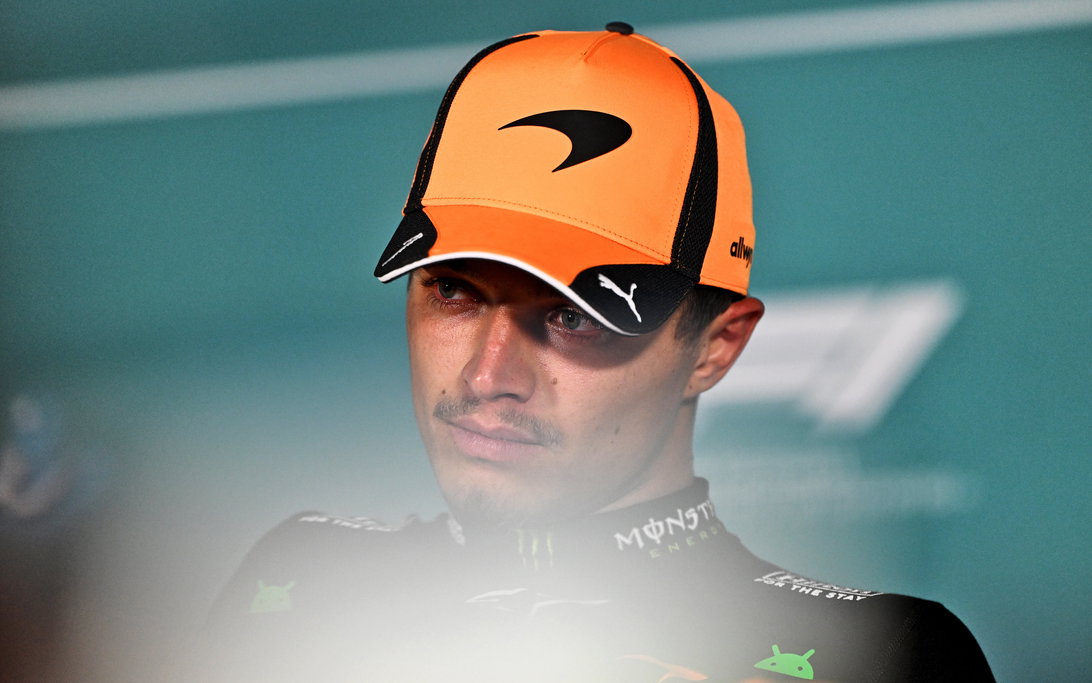
- Lando Norris offered the most direct rebuttal, stating he is "loving" the new cars and suggested Verstappen could "retire if he wants to," framing the energy management as a "good, fun challenge."
- Behind the criticism is a technical reality: the current cars suffer from a short full-energy deployment phase, making them feel "energy-starved," particularly at high-speed, low-energy-harvesting circuits like Spa or Monza.
The big picture:
While Verstappen's frustration is palpable, his judgment may be premature. The 2026 cars have only completed a handful of test miles, representing the absolute starting point of their development. Historical precedent, like the controversial introduction of hybrid power units in 2014, shows that initial performance and driveability deficits can be rapidly overcome. The current "energy starvation" is likely the worst these regulations will ever be, with massive efficiency gains expected from manufacturers over the next two years. The core debate is whether the pursuit of efficiency and road-relevance has fundamentally altered the DNA of what makes an F1 car thrilling to drive—a question that will only be answered on the 2026 grid.
Don't miss the next lap
Get the deep dives and technical analysis from the world of F1 delivered to your inbox twice a week.
Zero spam. Only high-octane analysis. Unsubscribe anytime.
Join the inner circle
Get the deep dives and technical analysis from the world of F1 delivered to your inbox twice a week.
Zero spam. Only high-octane analysis. Unsubscribe anytime.