McLaren and Mercedes intensify efforts to understand Red Bull's deployment edge
McLaren and engine supplier Mercedes are deepening their technical collaboration to analyze and counter Red Bull's apparent advantage in hybrid energy deployment, a factor cited as potentially worth a second per lap. While focused on closing the gap, McLaren acknowledges its own power unit's strengths, and Max Verstappen has brushed off the talk as gamesmanship ahead of the season opener.
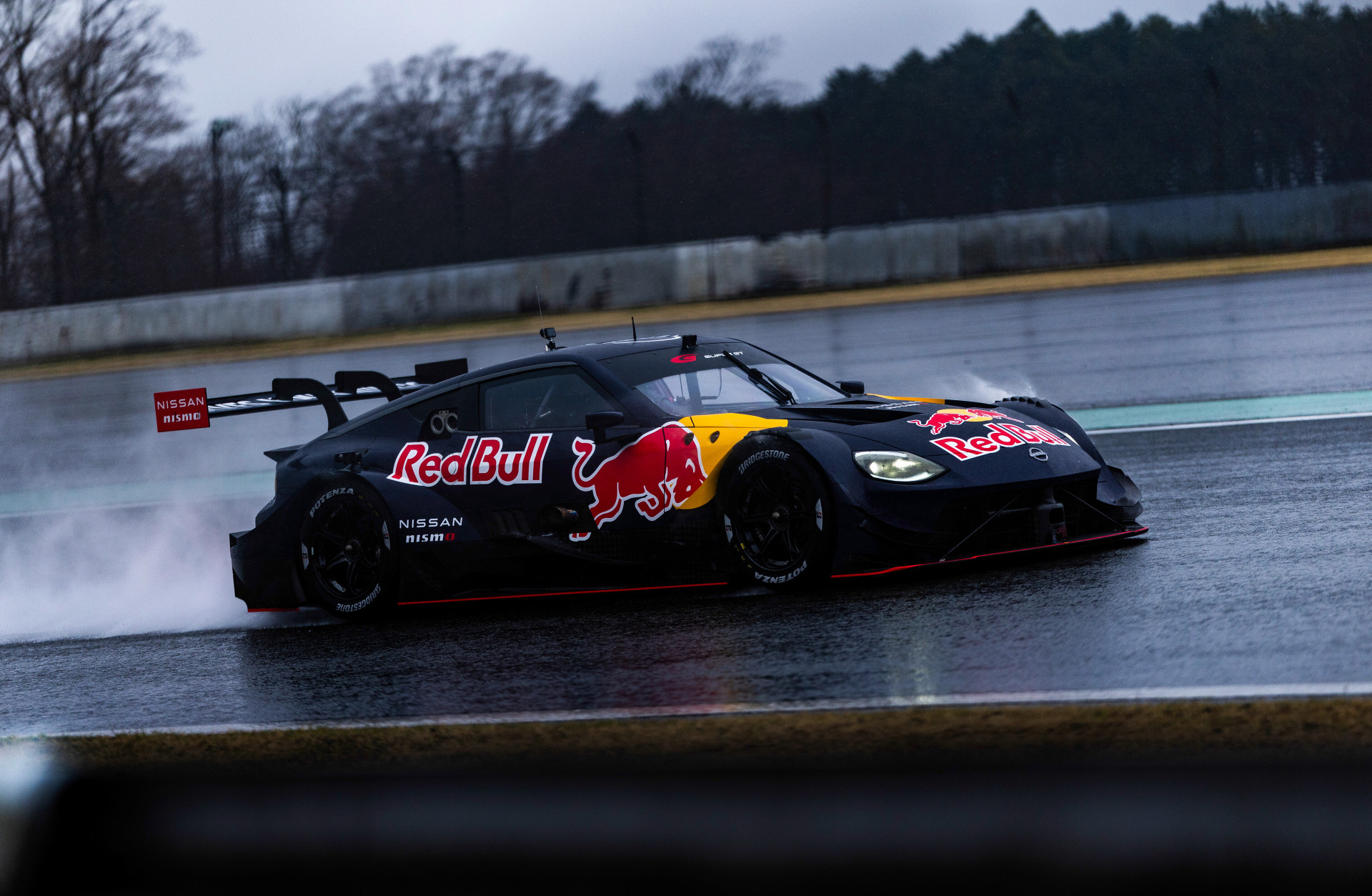
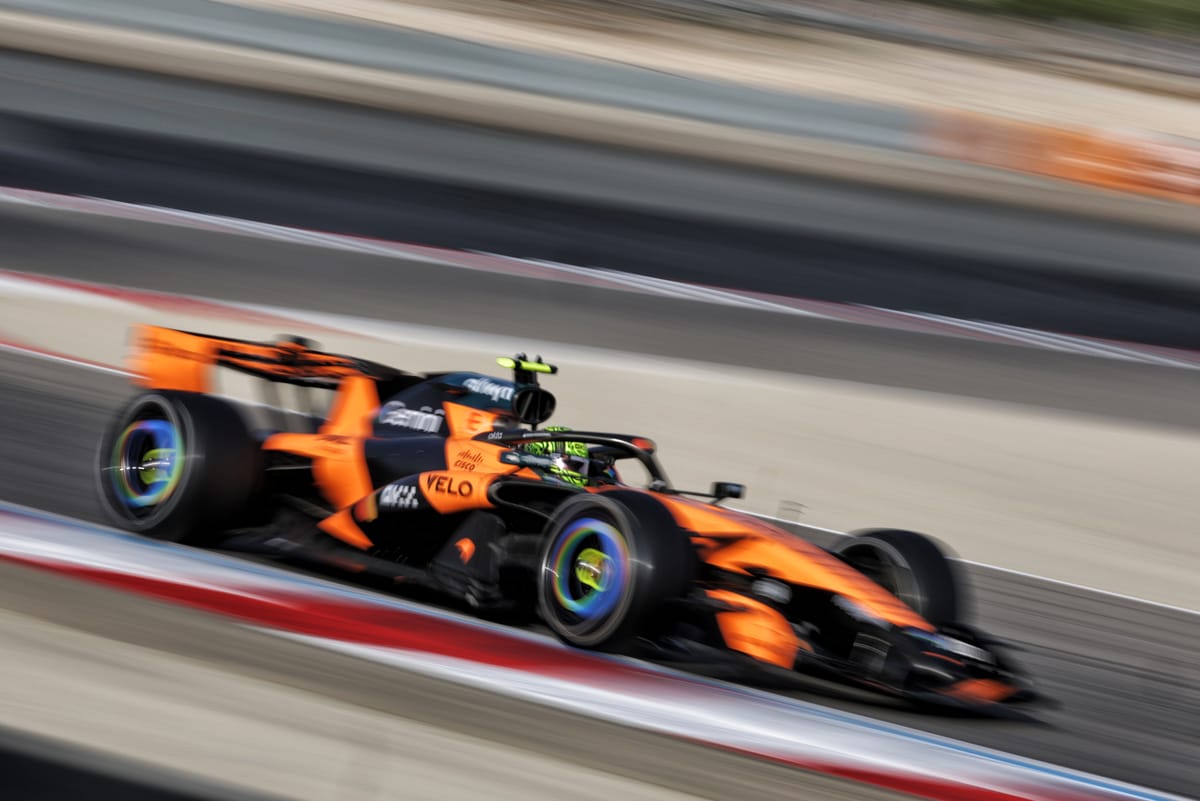
McLaren is ramping up collaborative efforts with its engine partner Mercedes to analyze and close the performance gap to Red Bull, which appears to hold a significant advantage in energy deployment from its power unit. This push comes after data from pre-season testing in Bahrain suggested Red Bull's system could be worth up to a second per lap on the straights, setting an early benchmark that has rival teams concerned.
Why it matters:
Energy deployment—how and when a car uses its electrical energy from the MGU-K—is a critical performance differentiator in F1's hybrid era. If Red Bull has unlocked a substantial edge here, it could define the early competitive order of the new regulatory cycle. For McLaren and Mercedes, understanding this advantage is not just about one component; it's about solving a complex puzzle of energy management, software, and hardware integration that could dictate their championship challenge.
The details:
- The Benchmark: Mercedes Team Principal Toto Wolff pointed to Red Bull as the current reference, citing a straight-line speed advantage that data traces support. Lando Norris confirmed the perception, noting a deployment advantage is "a beautiful bit of lap time to have."
- The Collaborative Effort: McLaren's technical leadership, including Engineering Director Neil Houldey, is actively working with Mercedes High Performance Powertrains (HPP). The focus is on analyzing Red Bull's approach to find areas where they can "move deployment around" and increase available battery energy per lap.
- A Multi-Faceted Challenge: Houldey emphasized that the power unit battle isn't one-dimensional. While Red Bull may lead in peak deployment, the Mercedes PU has strengths in other areas. The task involves optimizing the entire energy cycle—harvesting, storing, and deploying—not just maximizing output.
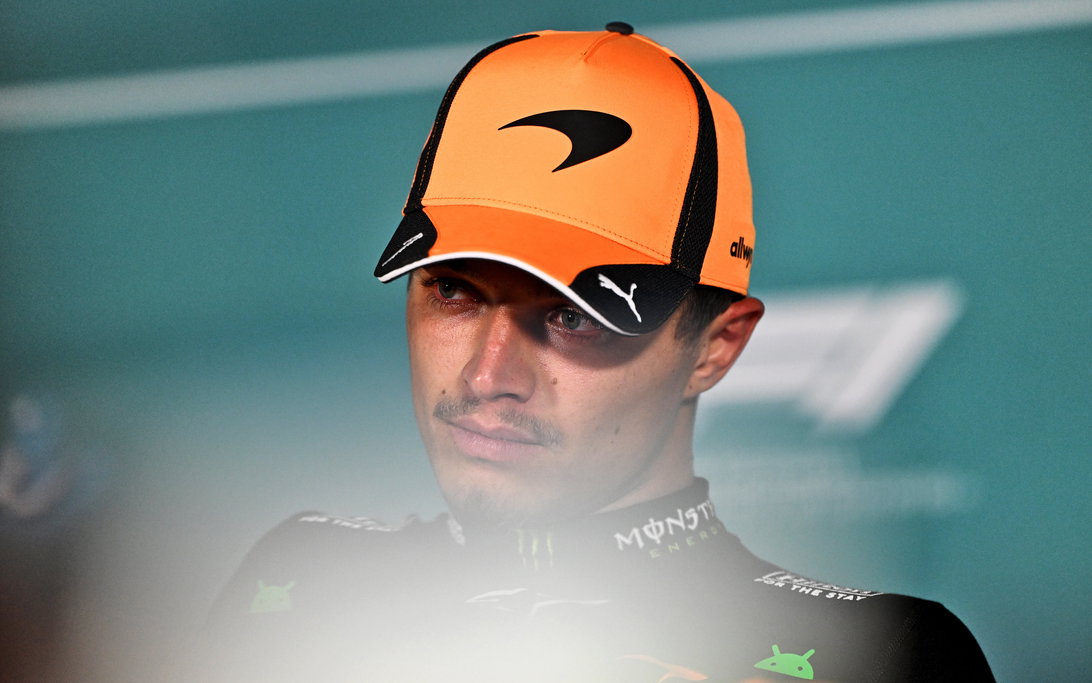
- The Driver's Perspective: Norris acknowledged that while the team can make operational tweaks, the fundamental gains must come from the technical partnership with Mercedes, stating they need to "understand how they have that" efficiency and power.
Between the lines:
Max Verstappen dismissed the notion of a clear advantage as "diversion tactics," suggesting rivals are downplaying their own potential. His comments highlight the psychological and strategic gamesmanship of testing, where true performance is often masked. However, his admission that Red Bull still has a "massive room for improvement" serves as a warning: if the team is already considered the target while holding development potential, the gap could widen further.
What's next:
The true picture will only emerge at the season-opening Bahrain Grand Prix. McLaren and Mercedes' winter analysis will transition into real-time development, with early races crucial for understanding if they can mitigate Red Bull's perceived edge through setup and operational optimizations. The situation underscores the relentless development war in F1; today's benchmark is tomorrow's target, and the response from Woking and Brixworth will be a key storyline to watch as the season unfolds.
Don't miss the next lap
Get the deep dives and technical analysis from the world of F1 delivered to your inbox twice a week.
Zero spam. Only high-octane analysis. Unsubscribe anytime.
Join the inner circle
Get the deep dives and technical analysis from the world of F1 delivered to your inbox twice a week.
Zero spam. Only high-octane analysis. Unsubscribe anytime.