McLaren backs F1 rule change to reduce reliance on 'lift and coast'
McLaren supports a proposed F1 rule change to increase 'super clipping' energy harvest limits, which would reduce the need for drivers to use 'lift and coast'—a technique the team warns could harm racing and safety. The change aims to keep cars at full throttle more often.
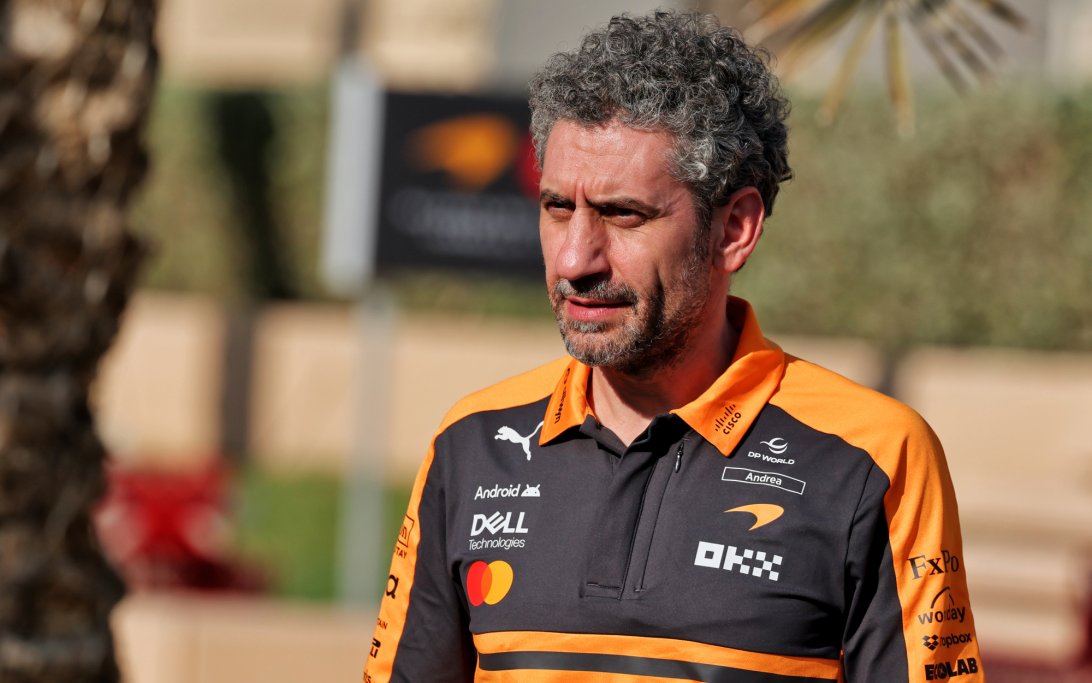
McLaren has successfully tested and endorsed a key Formula 1 rule change that would allow more energy harvesting at full throttle, aiming to reduce the sport's future reliance on the potentially hazardous 'lift and coast' technique. Team Principal Andrea Stella warned that over-dependence on drivers lifting off the throttle to harvest energy could create unpredictable racing and safety concerns, advocating instead for an increase in the 'super clipping' harvest limit.
Why it matters:
The 2026 power unit regulations, with their heavy emphasis on electrical energy recovery, risk making a significant portion of each lap predictable and process-driven if drivers are constantly lifting to harvest. Shifting the harvest burden to a system that works at full throttle (super clipping) could lead to more genuine, flat-out racing and reduce the risk of unexpected speed changes that could catch following drivers off guard.
The details:
- The 2026 rules introduce four methods to recharge the car's battery, with lift and coast (LiCo) and super clipping being the most discussed.
- Lift and coast involves a driver lifting off the throttle early before a corner to harvest up to 350kW of energy, a technique that alters normal racing lines and braking points.
- Super clipping allows energy harvest (previously capped at 250kW) while the driver is at full throttle, causing top speed to gradually taper off on straights.
- Stella highlighted that pre-season testing in Bahrain, a "harvest-rich circuit," did not fully expose the potential overuse of LiCo at other tracks where it might become a dominant, and problematic, strategy.
- Following discussions in the F1 Commission, the FIA permitted teams to test super clipping at the higher 350kW limit. McLaren ran this test on the final day of Bahrain testing and reported success.
What's next:
The ball is now in the FIA's court to decide whether to formally amend the regulations and raise the super clipping harvest limit to 350kW for the 2026 season. If implemented, this change would represent a significant philosophical shift in energy management, prioritizing harvesting during full-throttle periods rather than during driver-controlled lift phases. This could lead to more consistent performance and fewer unpredictable maneuvers, ultimately benefiting the quality of wheel-to-wheel racing.