McLaren boss calls for clear fan communication on 2026 boost mode and active aerodynamics
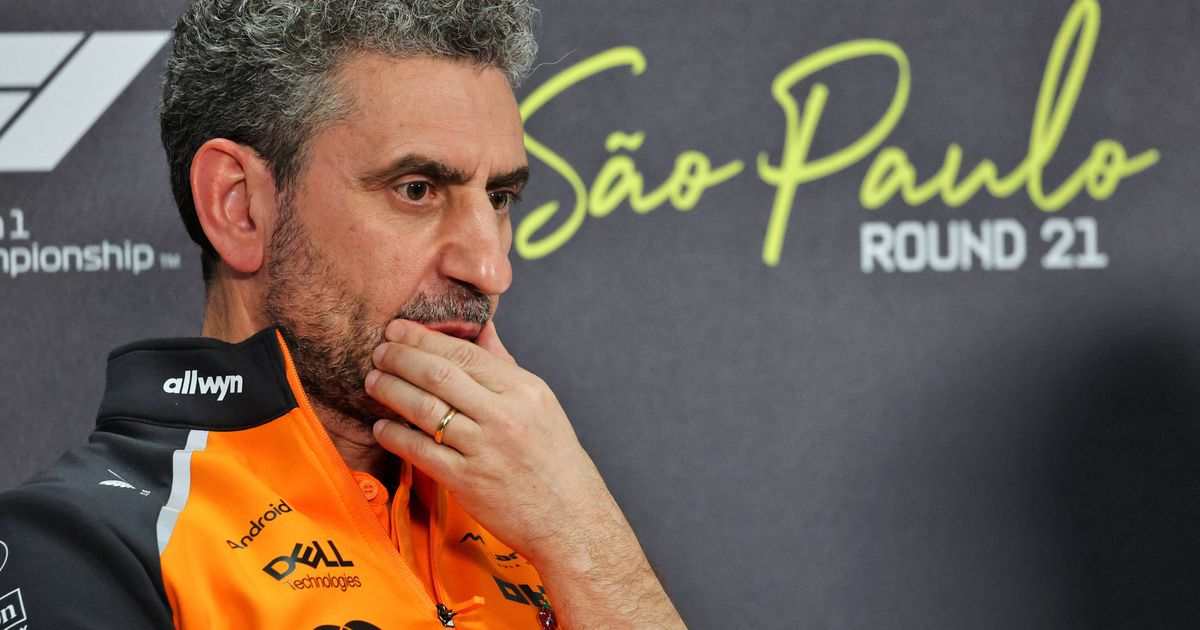
McLaren team principal Andrea Stella says the 2026 F1 rules – a driver‑activated boost mode and fully active aerodynamics – must be explained so fans understand overtaking dynamics and energy use.
McLaren team principal Andrea Stella says the 2026 technical regulations will change how races look, and that clear communication is essential for fans. A new driver‑activated boost mode replaces DRS, while fully active front and rear wings let teams cut drag on the straights. Without simple explanations, spectators may see cars pass each other in ways that look “magical” rather than strategic.
Why it matters:
- Overtaking will depend on battery state and wing configuration, concepts most casual viewers don’t currently see.
- Fan engagement drives viewership and sponsorship; confusion can erode the sport’s recent growth.
- Clear narratives help broadcasters tell a coherent story during live coverage.
The details:
- Boost mode – a button‑press that channels extra electrical power from the hybrid unit for a short burst, designed to replace DRS.
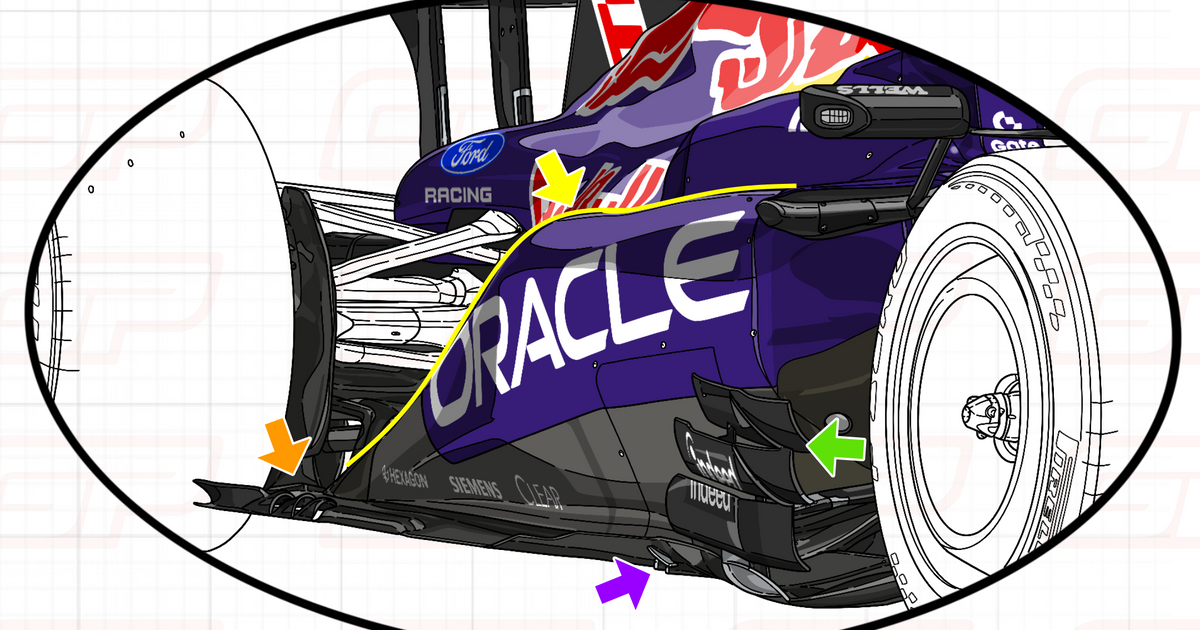
- Active aerodynamics – front and rear wings can open or close on the fly, reducing drag on the straight and lowering fuel and energy use.
- Battery disparity – a car with a fuller battery can deploy more boost, explaining why it might overtake a car whose energy is nearly depleted.
What's next:
- Stella urges the FIA and broadcasters to create simple graphics that show battery level and wing position in real time.
- McLaren aims to debut the first 2026‑spec car later this season, using the Barcelona test to validate the boost‑mode software.
- Fans can expect more consistent explanations in race commentary as teams and media adapt to the new rule set.
Don't miss the next lap
Get the deep dives and technical analysis from the world of F1 delivered to your inbox twice a week.
Zero spam. Only high-octane analysis. Unsubscribe anytime.
Join the inner circle
Get the deep dives and technical analysis from the world of F1 delivered to your inbox twice a week.
Zero spam. Only high-octane analysis. Unsubscribe anytime.
Continue Reading
View More News