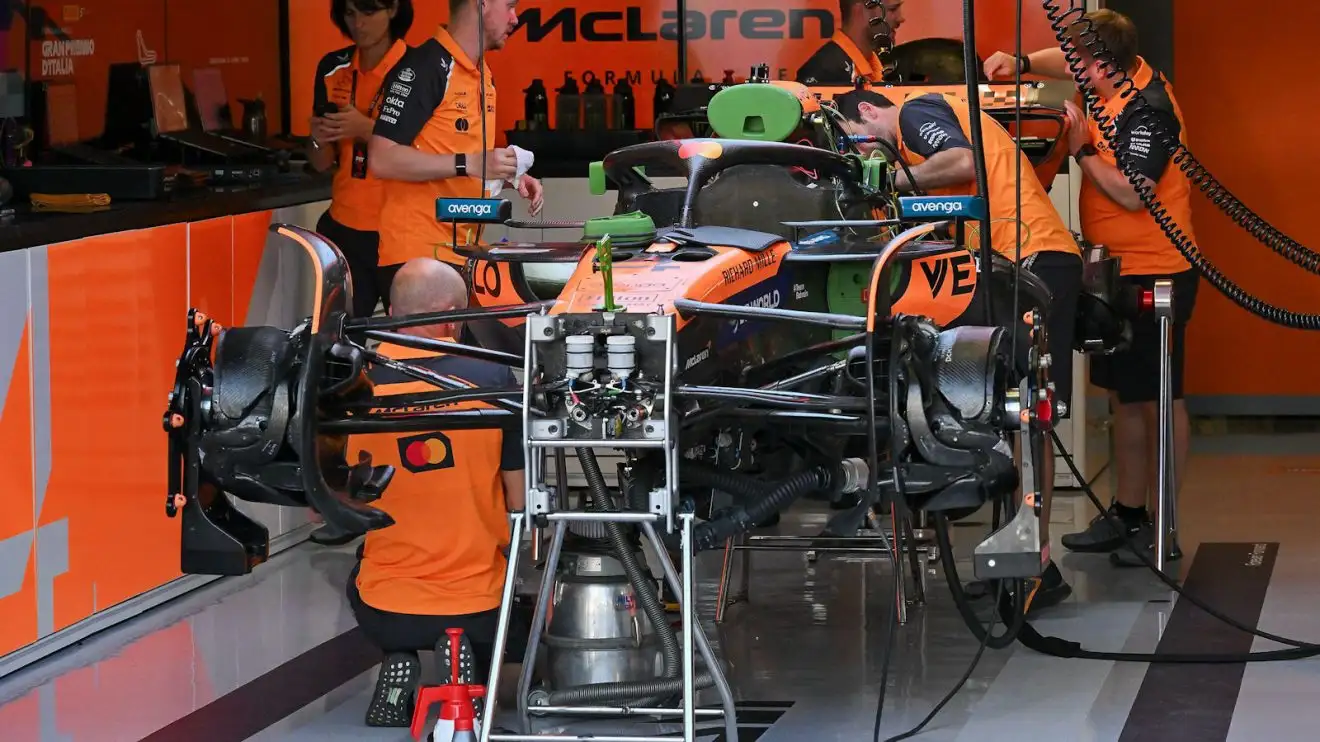
McLaren Defends Early 2025 Development Halt to Prioritize 2026 Challenger
McLaren halted 2025 development early to prioritize the 2026 MCL40, a strategic gamble aimed at avoiding a slower start to the new regulations despite Red Bull closing the gap late last season.
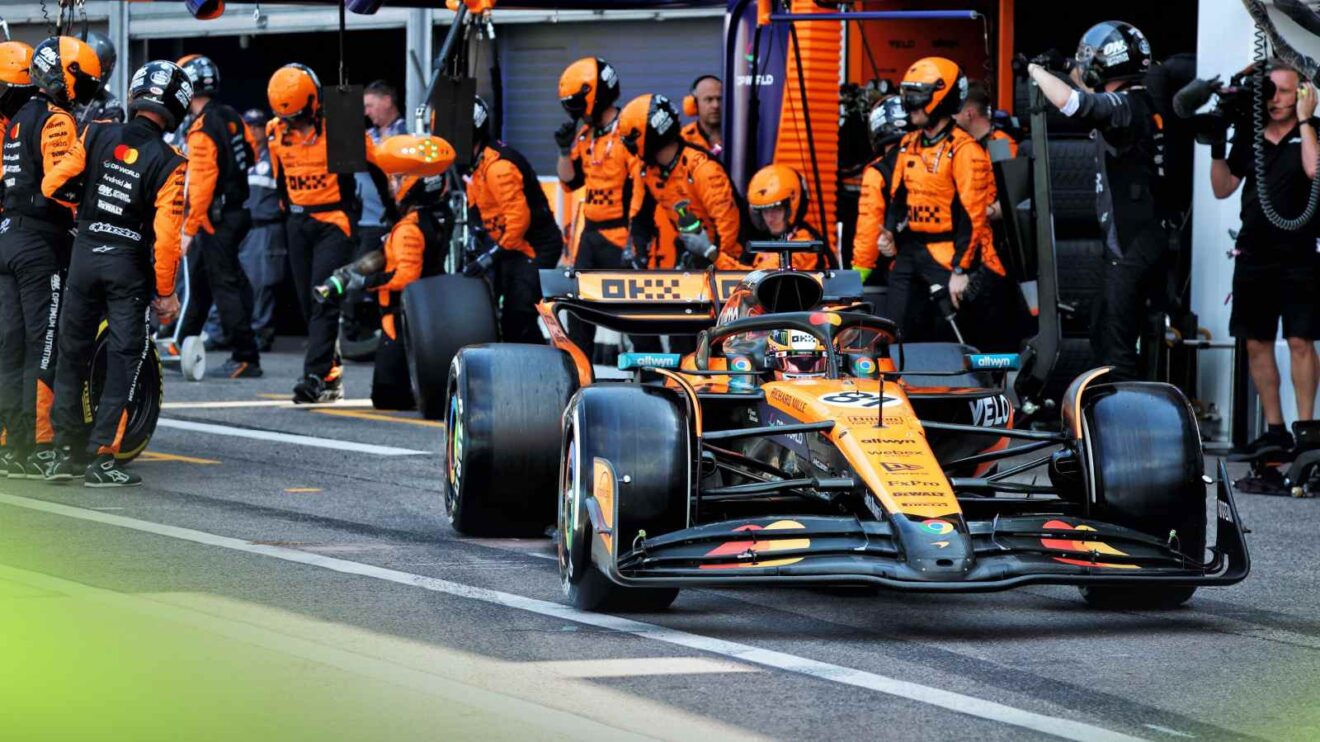
McLaren is standing by its controversial decision to stop developing its 2025 car early, shifting focus entirely to the upcoming 2026 MCL40. The Woking-based team believes that continuing to chase marginal gains on the current car would have compromised its performance under the new regulations, despite allowing Red Bull to close the gap late last season.
Why it matters:
With the 2026 regulations introducing massive changes, the team's engineering hierarchy determined that the risk of starting the new era on the back foot outweighed the benefits of securing a 1-2 finish in the 2025 Drivers' Championship. This strategy highlights the difficult balance teams must strike between defending a title and preparing for the future, especially when operating under strict resource constraints.
The details:
- Diminishing Returns: Engineering technical director Neil Houldley explained that upgrades were yielding only milliseconds—around 0.03s per improvement—making further investment inefficient compared to the potential gains on the new project.
- Resource Management: As back-to-back Constructors' Champions, McLaren operates under stricter Aerodynamic Testing Restrictions (ATR) than its rivals, meaning less wind tunnel and CFD time.
- Red Bull's Response: While McLaren paused, Red Bull pushed development on the RB21, allowing Max Verstappen to overturn a significant deficit and nearly steal the Drivers' title from Lando Norris.
- Strategic Pivot: Team principal Andrea Stella noted that shifting resources to the 2026 car generates "a lot of downforce" weekly, whereas the 2025 car had reached a development plateau where adding efficiency took weeks.
What's next:
The team will get its first indication of whether this gamble paid off during pre-season testing. The first closed-door test is scheduled for January 26, followed by public sessions in Bahrain in February, leading up to the season opener in Australia on March 8.
Don't miss the next lap
Get the deep dives and technical analysis from the world of F1 delivered to your inbox twice a week.
Zero spam. Only high-octane analysis. Unsubscribe anytime.
Join the inner circle
Get the deep dives and technical analysis from the world of F1 delivered to your inbox twice a week.
Zero spam. Only high-octane analysis. Unsubscribe anytime.