McLaren drivers detail increased simulator work to prepare for 2026 F1 regulation changes
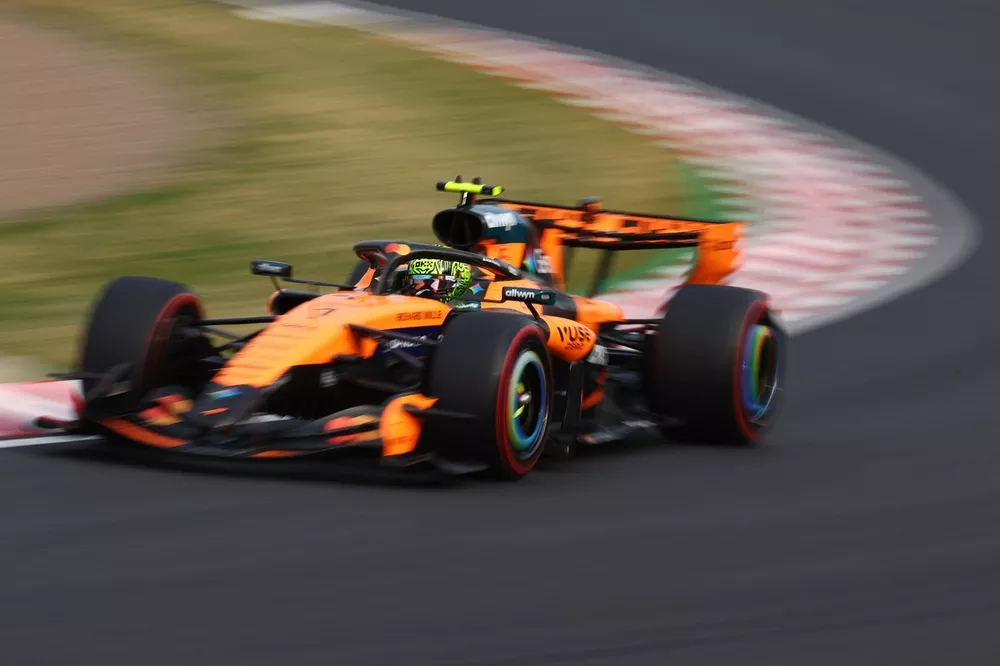
McLaren's Lando Norris and Oscar Piastri reveal they are dedicating more time to simulator training to adapt to the heightened cognitive demands of F1's 2026 rules. The new regulations grant drivers more control over energy management and introduce active aerodynamics, significantly increasing the procedural workload inside the cockpit alongside the traditional task of driving at the limit.
McLaren drivers Lando Norris and Oscar Piastri are spending significantly more time in the simulator to prepare for the increased mental and procedural workload coming with Formula 1's 2026 technical regulations. Both champions highlight that while the core goal of driving fast remains unchanged, managing the new car's systems will add a substantial new layer of challenge inside the cockpit.
Why it matters:
The 2026 regulations represent the most significant shift in the driver's role since the introduction of the current hybrid power units in 2014. With more control over energy deployment and new active aerodynamics replacing DRS, a driver's ability to manage these systems seamlessly could become as critical as pure pace, potentially reshuffling competitive hierarchies based on adaptability.
The details:
- Simulator Focus: Lando Norris confirmed a greater emphasis on simulator work compared to previous seasons, specifically to master new steering wheel procedures and button functions. This "procedural stuff" is a key preparation differentiator for 2026.
- A Dynamic Power Unit: The new power unit features a near 50:50 split between internal combustion and electric power. Oscar Piastri notes the battery will be "a much more dynamic thing," with faster deployment and recharge rates requiring constant driver attention.
- Increased Cognitive Load: Both drivers explicitly point to the increased workload as the primary change. The shift from a primarily reactive energy management system (MGU-K) to a more proactive driver-controlled model adds a strategic element to every lap.
- Regulation Pillars: The changes are built on three main pillars: the rebalanced power unit, the introduction of active aerodynamics (replacing DRS), and greater driver influence over energy harvesting and deployment sequences.
What's next:
The early and focused simulator work by top teams like McLaren indicates the 2026 season's foundation is being laid now. Driver adaptability to these new systems will be tested from the very first race in Bahrain. Teams that can best integrate this new procedural workload into a driver's natural rhythm, without sacrificing ultimate lap time, may gain a crucial early advantage in the new regulatory era.
Don't miss the next lap
Get the deep dives and technical analysis from the world of F1 delivered to your inbox twice a week.
Zero spam. Only high-octane analysis. Unsubscribe anytime.
Join the inner circle
Get the deep dives and technical analysis from the world of F1 delivered to your inbox twice a week.
Zero spam. Only high-octane analysis. Unsubscribe anytime.
Continue Reading
View More News