McLaren predicts 'unorthodox' overtaking under 2026 F1 rules
McLaren's Mark Temple predicts the 2026 F1 regulations, with their huge boost in electrical power and new 'Boost Button,' will lead to unexpected and unorthodox overtaking. Drivers will engage in high-stakes energy management, where a successful pass could immediately make them vulnerable, transforming races into a strategic battle he describes as fundamentally different from today's racing.
McLaren's technical leadership forecasts that Formula 1's 2026 regulation overhaul will create unpredictable and unconventional overtaking maneuvers, fundamentally changing race strategy. The shift to a 50/50 power split between the internal combustion engine and a vastly more powerful electrical system will force drivers into a high-stakes game of energy management, where a successful pass on one straight could leave them vulnerable on the next.
Why it matters:
The 2026 rules represent the most significant technical shift in over a decade, aiming to make the cars more agile and sustainable. How these changes actually affect the on-track spectacle is the sport's biggest unknown. McLaren's insight suggests we are moving from a DRS-dominated overtaking model to a more complex and strategic battle, placing greater emphasis on driver skill and real-time decision-making.
The details:
- Power Unit Revolution: The electrical power output from the MGU-K will surge from 120 kW to 350 kW. This massive increase enables a new 'Boost Button' for drivers to deploy a powerful, short-duration electrical burst.
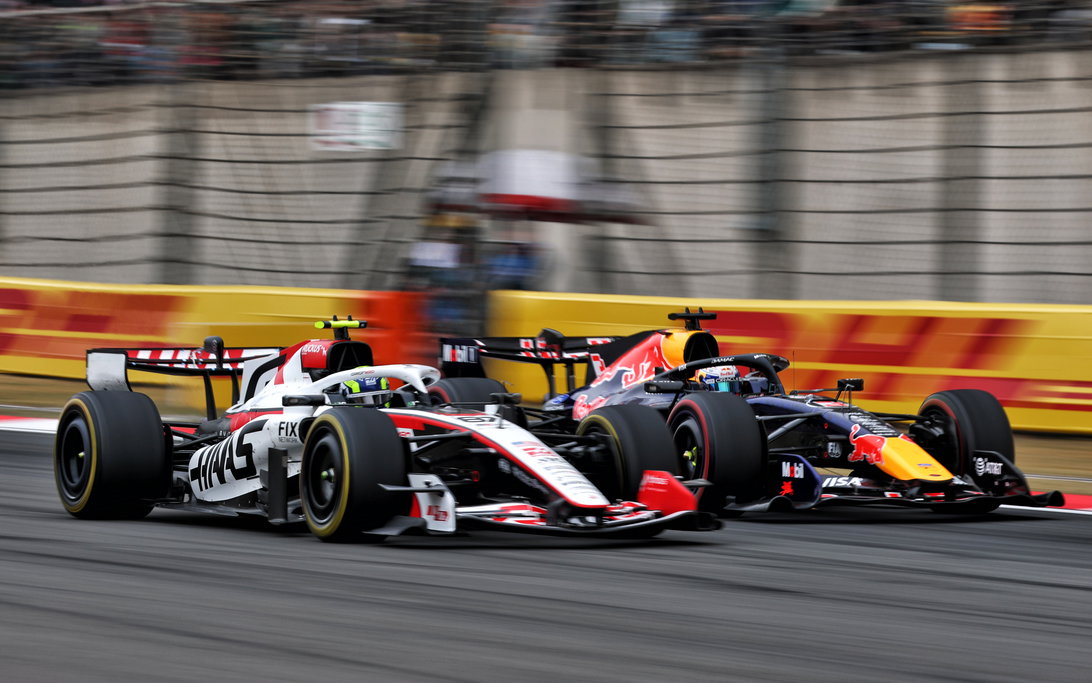
- Strategic Overtaking: The traditional DRS zone pass will be replaced. A driver might use their full battery charge to execute an overtake but could then be left with an empty battery and reduced power on the following straight, making them a target for a counter-overtake.
- Driver Adaptation: As explained by McLaren's Performance Technical Director Mark Temple, this creates a layered challenge. Drivers must now anticipate not only their own energy usage but also how competitors will manage theirs and respond to moves.
- High-Speed Chess: Drivers like Mercedes' Kimi Antonelli have likened the required mindset to playing "chess at high speed," indicating a need for more cerebral racecraft alongside pure speed.
What's next:
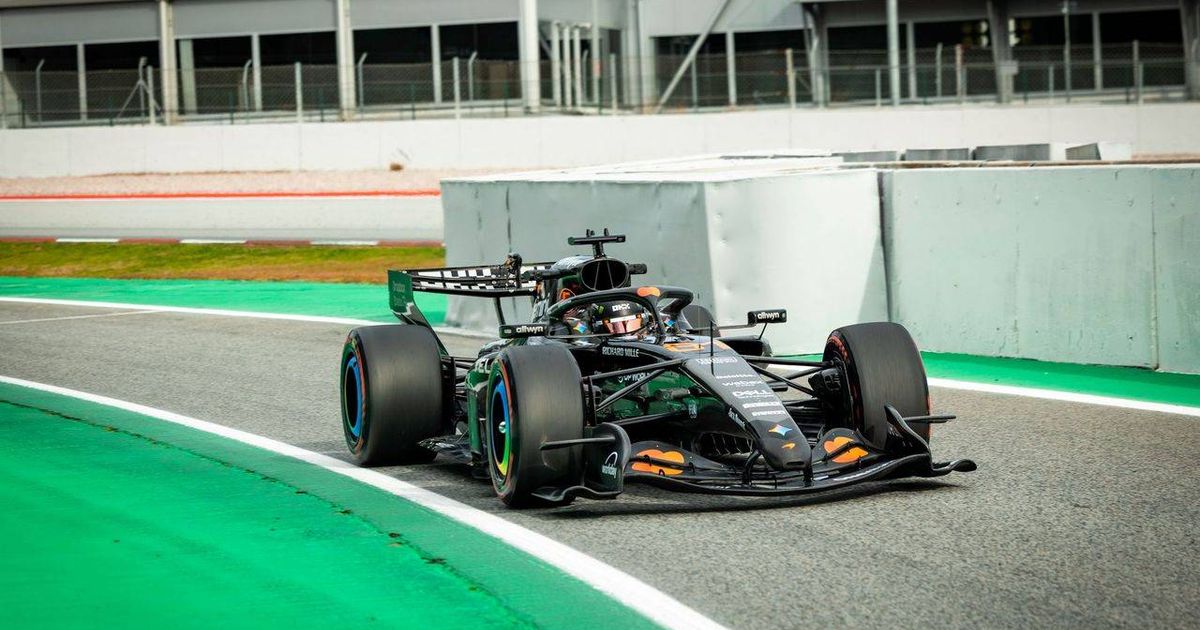
Teams and drivers face a steep learning curve when the 2026 cars hit the track. The pre-season will be dominated by understanding the new energy management windows and developing strategies for qualifying and race trim. If McLaren's predictions hold, fans can expect more variable and tactically rich races, where the lead can change hands in unexpected places and moments, rewarding foresight as much as bravery.
Don't miss the next lap
Get the deep dives and technical analysis from the world of F1 delivered to your inbox twice a week.
Zero spam. Only high-octane analysis. Unsubscribe anytime.
Join the inner circle
Get the deep dives and technical analysis from the world of F1 delivered to your inbox twice a week.
Zero spam. Only high-octane analysis. Unsubscribe anytime.
Continue Reading
View More News