McLaren Questions Red Bull's Engine Swap and Cost Cap Implications
McLaren is challenging the FIA to clarify whether Red Bull's performance-driven engine swap for Max Verstappen at the Brazilian Grand Prix should be included in their cost cap. The debate centers on the distinction between engine changes for reliability versus pure performance, with McLaren arguing the latter should incur cost cap penalties to prevent teams from gaining an unfair advantage through unlimited component upgrades.
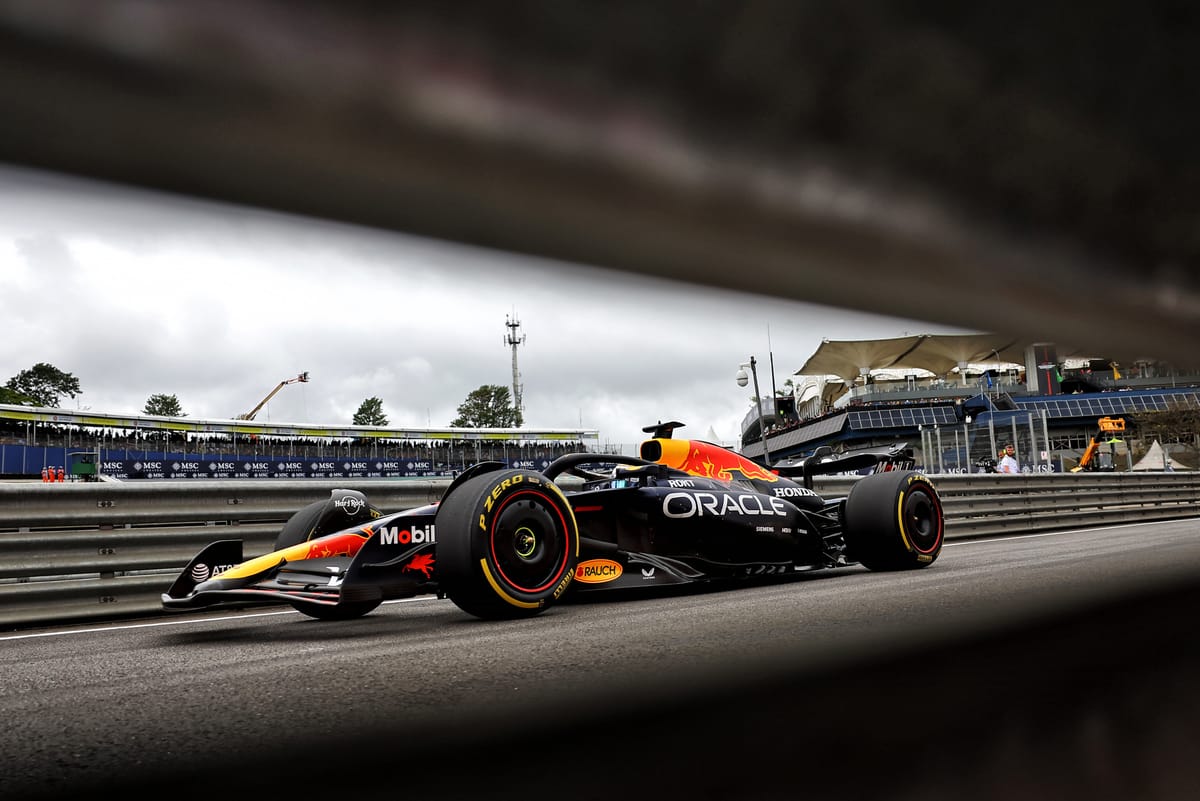
McLaren is seeking clarity from the FIA regarding whether Red Bull's decision to fit a fresh power unit in Max Verstappen's car at the Brazilian Grand Prix should count against their Formula 1 cost cap allocation. The move, made after a rare Q1 exit for Red Bull, saw Verstappen receive a new internal combustion engine, turbo, MGU-K, MGU-H, battery, and control electronics, exceeding the season's allowed quotas for some components. This has raised questions about F1's unwritten guidelines on engine changes.
Why it matters:
McLaren's inquiry highlights a potential loophole or lack of clarity in F1's cost cap regulations regarding power unit changes. If teams can freely swap engines for performance gains without cost cap implications, it could undermine the very purpose of the cap: to level the playing field and prevent unlimited spending. This issue underscores the ongoing complexity and interpretation challenges within F1's financial rules.
The details:
- Verstappen's Engine Change: Following a disastrous qualifying session in Brazil, Red Bull opted for a significant overhaul of Verstappen's car, including a completely fresh Honda power unit.
- Exceeding Quotas: The new power unit included components (ICE, turbo, MGU-K, MGU-H) beyond the four allowed for the season, plus a third battery and control electronics.
- Performance vs. Reliability: While a new engine can offer performance benefits due to less degradation, the core of McLaren's concern is whether this change was for 'pure performance reasons' or 'genuine reliability concerns.'
- FIA Guidelines: Unofficial guidelines suggest that reliability-based engine changes might not count against the cost cap, but voluntary performance-driven changes should.
- McLaren's Stance: McLaren team boss Andrea Stella stated that his team avoids such performance-based engine swaps because they believe it should fall under the cost cap. He is keen to understand the FIA's official stance on Red Bull's situation.
- Red Bull's View: Red Bull acknowledged the engine change offered a performance gain, though they noted the primary race pace improvement was due to other setup adjustments. They were comfortable with the life of their existing power units but took the opportunity for a new one.
Between the lines:
This situation exposes the nuances and potential ambiguities in how F1's cost cap is enforced, especially concerning technical decisions like engine changes. While the spirit of the rule is clear – to prevent teams from simply buying more power for an advantage – the practical application can be complex, particularly when distinguishing between a necessary reliability change and a tactical performance upgrade. The FIA's interpretation here will set a precedent for future scenarios.
What's next:
The FIA has been contacted for clarification on the cost cap implications of power unit changes for performance reasons. Their response, along with Red Bull's further understanding of the matter, will be crucial in shaping how teams approach engine management and financial strategy under the cost cap in future seasons. A clear ruling could tighten enforcement or highlight areas where the regulations need to be more explicit.