McLaren reveals final MCL40 livery as Stella highlights 2026 regulation challenges
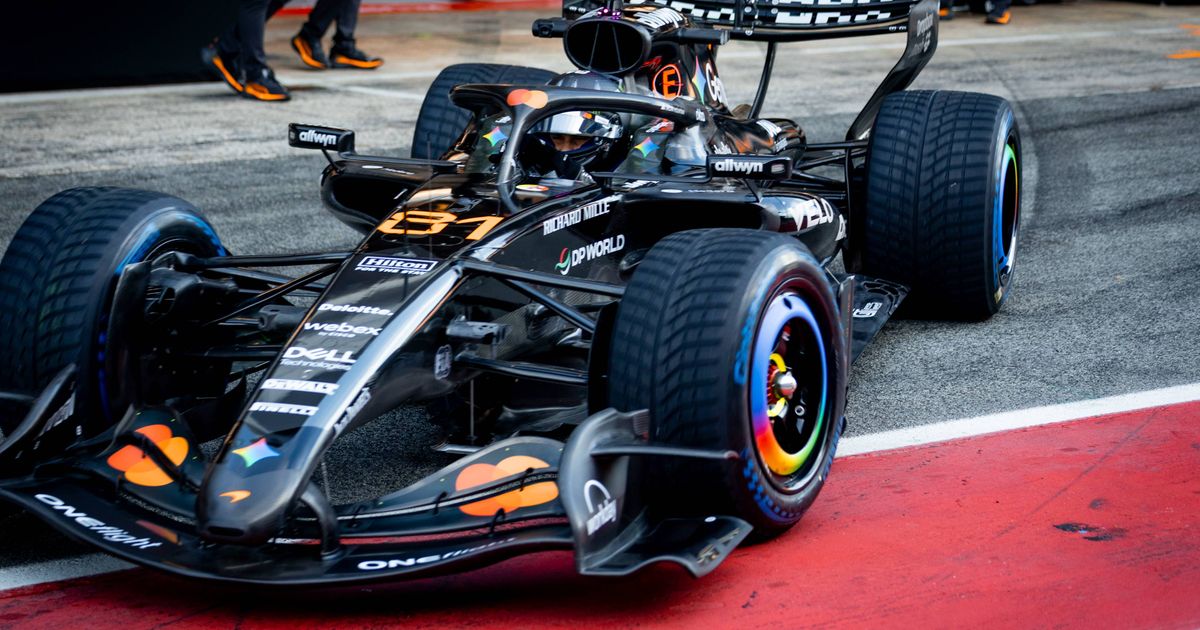
McLaren has revealed the final livery for its MCL40 car ahead of the Bahrain test, completing its visual identity for 2026. Team boss Andrea Stella highlighted that mastering the new power unit dynamics and driver-adjustable settings will be critical for success under the upcoming regulations, though he cautioned that development is still in its infancy.
McLaren has unveiled the definitive papaya and black livery for its MCL40, moving on from the interim design used in Barcelona, just ahead of the second pre-season test in Bahrain. Team Principal Andrea Stella simultaneously outlined the dual challenges of mastering new power unit dynamics and driver-adjustable car settings that he believes will define success under the 2026 regulations.
Why it matters:
The livery reveal marks the final visual identity for a car that must now prove its performance on track, while Stella's comments shift focus to the longer-term technical battle. His identification of the 2026 power unit and driver-adjustable systems as key differentiators signals where McLaren—and the entire grid—must channel development resources to stay competitive in the coming era.
The details:
- The MCL40 was presented in Bahrain, featuring McLaren's iconic papaya orange complemented by black accents, replacing the temporary all-black livery run during the first test in Barcelona.
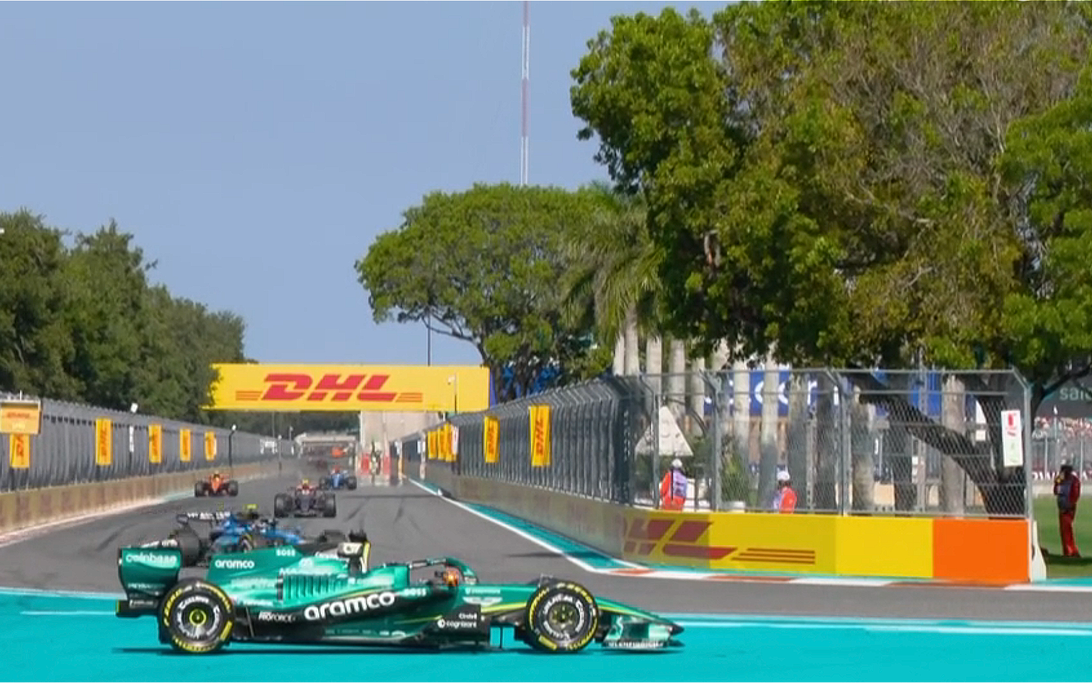
- With this launch, only Aston Martin has yet to reveal its 2026 car's livery, completing the visual lineup for the new season.
- Team Principal Andrea Stella pinpointed two major factors for the 2026 season: the complexity of the new power units and the strategic use of driver-adjustable car settings permitted under the new rules.
- Stella tempered immediate expectations, noting that development for all teams is still in very early stages, making definitive performance predictions difficult.
What's next:
The immediate focus is on-track performance, with the MCL40 set to run in the second pre-season test at the Bahrain International Circuit. The data gathered there will provide the first real indications of its competitiveness. In the broader picture, Stella's analysis underscores that the teams who best understand and optimize the 2026 power unit and its associated driver controls will gain a significant early advantage in the new regulatory cycle.
Don't miss the next lap
Get the deep dives and technical analysis from the world of F1 delivered to your inbox twice a week.
Zero spam. Only high-octane analysis. Unsubscribe anytime.
Join the inner circle
Get the deep dives and technical analysis from the world of F1 delivered to your inbox twice a week.
Zero spam. Only high-octane analysis. Unsubscribe anytime.
Continue Reading
View More News