McLaren's initial verdict on how top F1 engines compare in 2026
McLaren's Andrea Stella says Mercedes has set a new benchmark with its 2026 power unit, but early testing data suggests Ferrari and Red Bull's engines are closely matched on performance. This tempers fears of a massive engine disparity defining the new era, shifting focus to car development and mastering the new energy systems.
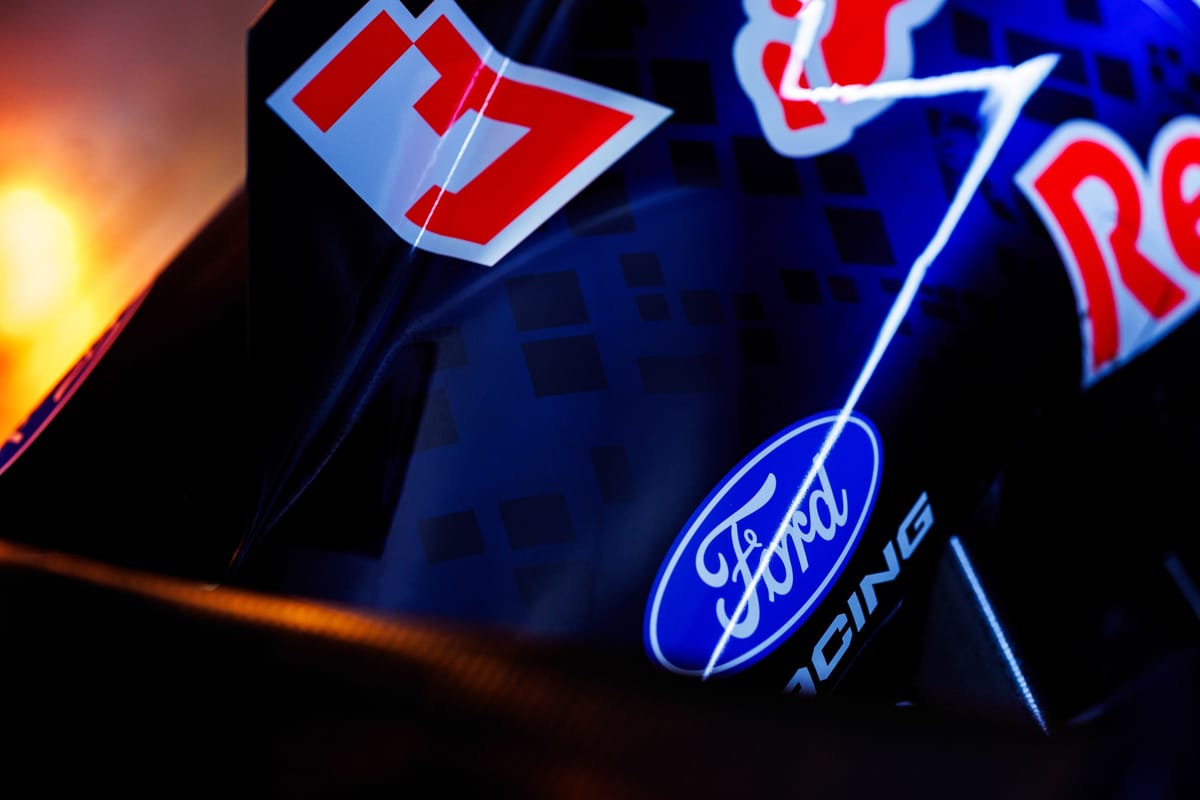
McLaren believes Mercedes has "definitely raised the bar" for the start of Formula 1's 2026 rules era, but data from Barcelona testing suggests the leading power unit manufacturers—Mercedes, Ferrari, and Red Bull Ford Powertrains—are starting from a closely matched performance baseline. This early indication tempers fears that the sweeping new regulations would immediately create massive performance gaps based solely on engine choice.
Why it matters:
The 2026 technical overhaul, encompassing both chassis and power units, was widely expected to reshuffle the competitive order. With Mercedes long rumored to have a significant head start, a potential engine disparity threatened to define the early season. McLaren's assessment that the top engines appear comparable is a cautiously optimistic sign that the championship fight could be decided more by traditional car development and operational mastery than by a single dominant power unit.
The details:
- Team Principal Andrea Stella noted that Mercedes, Ferrari, and Red Bull have all "got off to a good start," with the Brackley-based squad setting a new benchmark.
- The fact that three competitive teams use three different power units is a "first indication" that there may not be "extremely marked differences" in absolute performance at this stage.
- Mercedes topped the mileage charts in Barcelona and showed strong early pace, reinforcing its perceived advantage.
- However, the reliability and performance of both Ferrari's and the new Red Bull Ford Powertrains unit also made a strong impression, even on rivals.
- Stella heavily caveated the findings, noting the Barcelona test was even less representative than usual, with teams running conservative programs and not yet stressing the new energy recovery and deployment systems to their limits.
The big picture:
The early data arrives amid ongoing discussions about F1's 2026 engine rules, particularly regarding the reduced compression ratio. Some believe Mercedes has found a clever, legal interpretation that could yield a lap time advantage on certain tracks. If the raw engine performance is indeed similar, the battleground shifts to optimizing the complex new energy management systems and aerodynamic configurations. Stella pointed out that works teams like Mercedes, Ferrari, and Red Bull may currently have an edge in optimizing their own engines due to more immediate data access during development.
What's next:
The true pecking order will begin to clarify during the next two weeks of testing in Bahrain, where teams will run their engines harder and in more representative conditions.
- Stella emphasized that the "learning curve is very steep" with these completely new cars, and every lap provides valuable data for performance gains.
- He predicted the competitive landscape seen in the first part of the season "will almost certainly not be the same" as in the second half, due to the significant development potential of these early-stage cars.
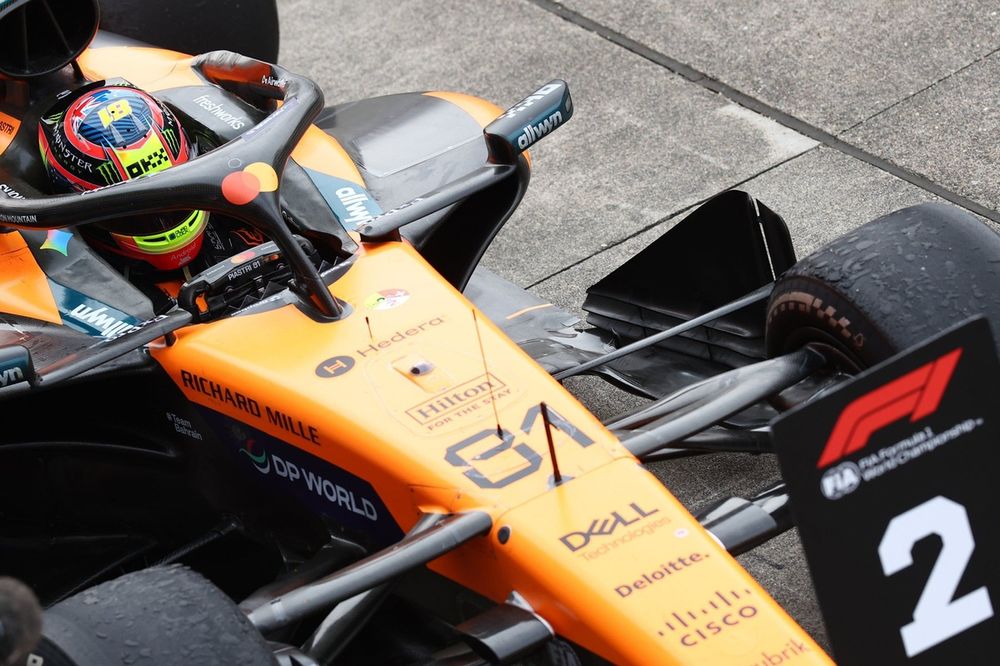
- For McLaren, which won both championships in 2025 but left the build of its MCL40 late, the immediate task is to fully understand its new package and define its in-season development priorities to keep pace with the works teams.
Don't miss the next lap
Get the deep dives and technical analysis from the world of F1 delivered to your inbox twice a week.
Zero spam. Only high-octane analysis. Unsubscribe anytime.
Join the inner circle
Get the deep dives and technical analysis from the world of F1 delivered to your inbox twice a week.
Zero spam. Only high-octane analysis. Unsubscribe anytime.