McLaren's Stella Identifies Key Performance Levers in 2026 F1 Regulations
McLaren's Andrea Stella says mastering the new 2026 power unit and driver-adjustable settings, like the variable aerodynamic modes, will be the key to unlocking performance, noting the cars are still at a very early stage of development.
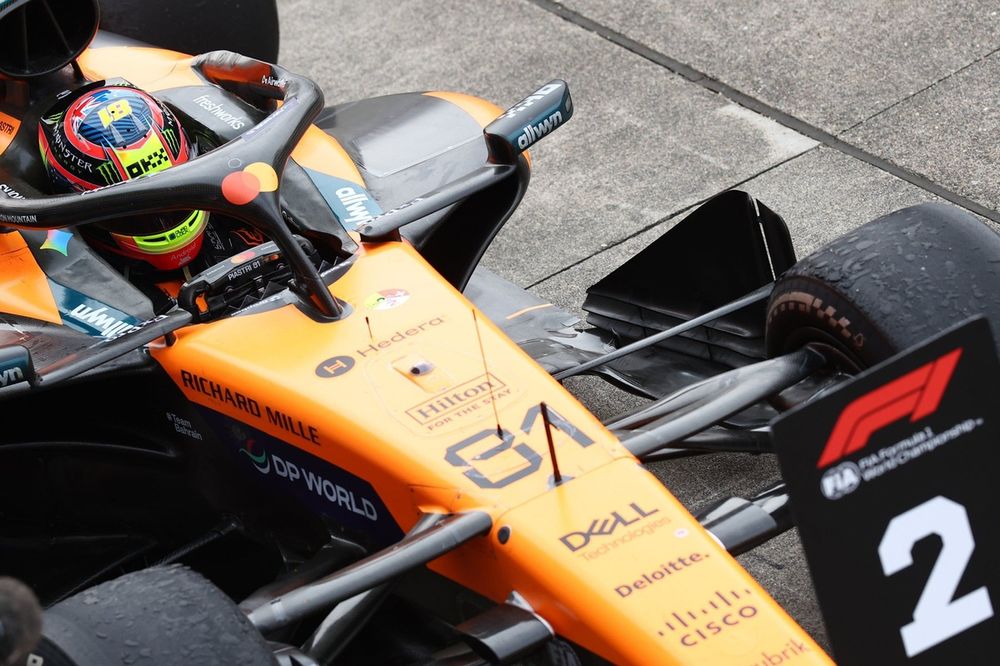
McLaren Team Principal Andrea Stella has pinpointed the new power unit dynamics and driver-adjustable car settings as the primary areas where significant performance gains can be unlocked under the 2026 Formula 1 regulations. He emphasized that this generation of cars is still in its infancy, presenting a major development opportunity for all teams on the grid.
Why it matters:
The 2026 regulatory overhaul represents a reset point that could shuffle the competitive order. Identifying and mastering the key performance differentiators early—especially those reliant on driver skill and real-time strategy—will be crucial for any team, including current front-runners like McLaren, aiming to maintain or establish an advantage in the new era.
The details:
- Stella highlighted the "new power unit and all the options available to the driver" as a major area for potential performance extraction.
- He specifically cited the management of the variable aerodynamic configuration, which alternates between 'Corner Mode' and 'Straight Mode', as holding substantial untapped potential.
- The McLaren boss contextualized the current development phase, noting that unlike the 2022 ground-effect introduction, the 2026 changes come with a new power unit, making direct year-on-year comparisons more complex and the learning curve steeper.
- His assessment aligns with Mercedes Team Principal Toto Wolff, who has also expressed excitement about the new power unit dynamics and the heightened role of driver input for 2026 performance.
What's next:
The focus for teams will now intensify on simulating and understanding these new interactive elements between car, power unit, and driver. As development progresses, the teams that best integrate the mechanical and human components of the new regulations will likely gain an edge. The potential is significant, with drivers like Lando Norris already speculating that the powerful new cars could challenge the sport's top speed records, potentially exceeding 380 kph.
Don't miss the next lap
Get the deep dives and technical analysis from the world of F1 delivered to your inbox twice a week.
Zero spam. Only high-octane analysis. Unsubscribe anytime.
Join the inner circle
Get the deep dives and technical analysis from the world of F1 delivered to your inbox twice a week.
Zero spam. Only high-octane analysis. Unsubscribe anytime.