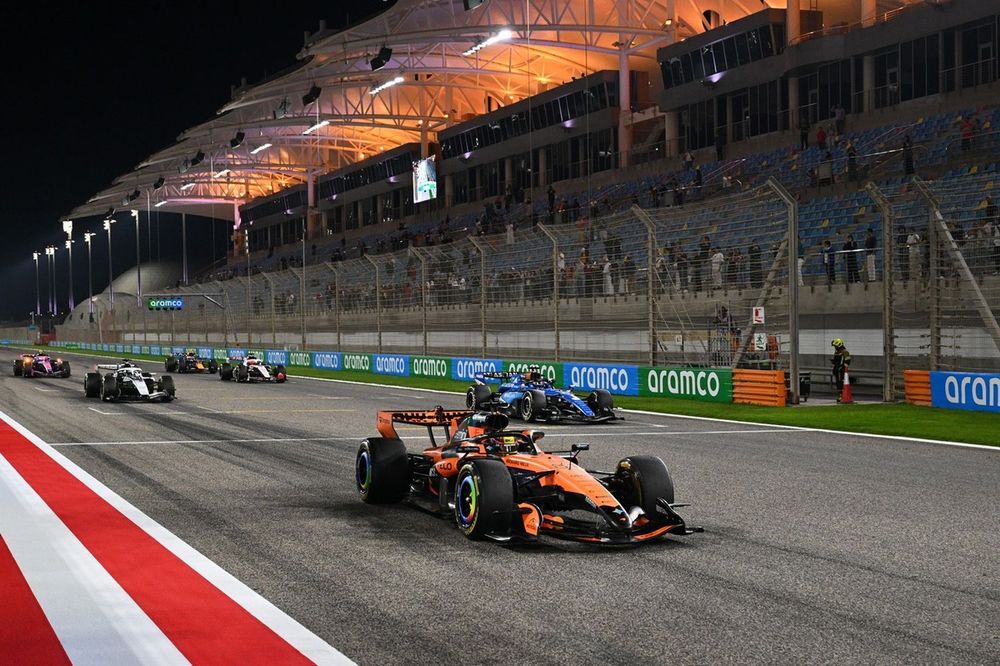
McLaren's Stella urges F1 to fix critical 2026 power unit safety and racing issues
McLaren boss Andrea Stella warns that unresolved issues with F1's 2026 power unit regulations pose serious safety risks and threaten to ruin racing. He identifies flawed race start procedures, a near-impossible overtaking environment, and dangerous lift-and-coast scenarios as critical problems that require simple fixes before the season starts in Melbourne.
McLaren Team Principal Andrea Stella has called for immediate, simple fixes to the 2026 Formula 1 power unit regulations, highlighting three critical issues that compromise safety and the quality of racing. The problems—concerning race starts, overtaking, and dangerous lift-and-coast scenarios—have been laid bare during pre-season testing and require urgent attention before the season begins.
Why it matters:
The 2026 season represents a massive technical shift with power units featuring nearly 50% electric power. If the current issues are not addressed, the fundamental spectacle and safety of F1 are at risk. Stella frames the required changes not as competitive advantages but as essential corrections for the sport's integrity, arguing that safety on the grid and the basic ability to race and overtake are non-negotiable.
The details:
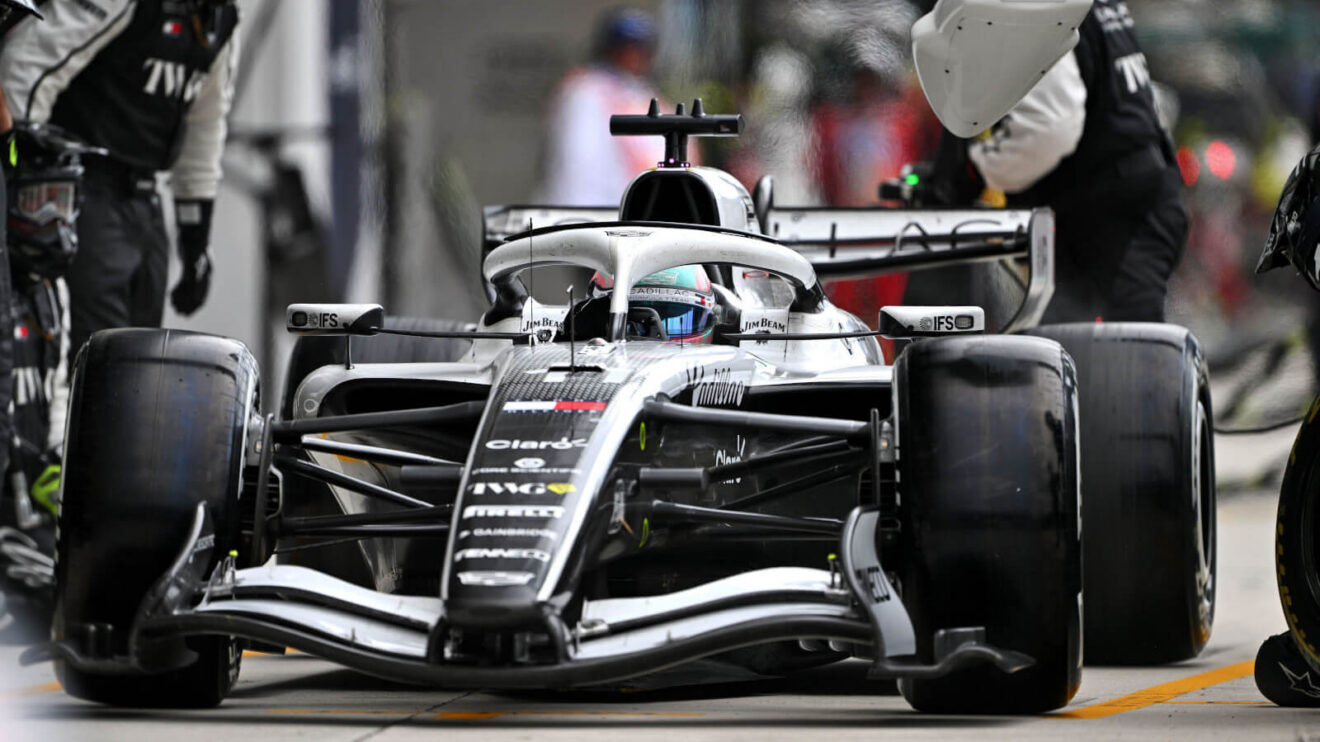
- Problematic Race Starts: The new power units require the V6 engine to "spool up" the turbo before launch, a process that can take over 10 seconds. Mistiming it leads to slow getaways or anti-stall activations, as seen with Alpine's Franco Colapinto in testing. Cars at the back of the grid may not even get the required time under current procedures, creating a major safety hazard.
- Overtaking Has Vanished: The removal of DRS and introduction of active aerodynamics (where all cars flatten wings on straights) has eliminated the drag advantage for a pursuing car. Drivers in testing found it "extremely difficult to overtake" as cars now have similar drag and power, with the new energy boost mode for followers proving ineffective due to overall energy starvation.
- Dangerous Lift-and-Coast: Cars are running out of battery energy so early on straights that they must lift off the throttle, creating extreme and dangerous closing speeds with a flat-out car behind. Stella explicitly referenced past airborne crashes, like Mark Webber's in Valencia 2010, as scenarios F1 must avoid repeating.
What's next:
The F1 Commission meets next Wednesday, presenting a final opportunity to agree on changes before the Australian Grand Prix on March 8. Stella advocates for straightforward technical solutions:
- Adjusting the start procedure timing to ensure all cars can properly prepare their power units.
- Reducing the maximum allowed electric power output in the race (currently 350kW) so cars retain energy longer, making the overtaking boost mode actually usable.
- Increasing the allowed "superclipping" energy harvest limit from 250kW to 350kW to reduce the need for dangerous lift-and-coast maneuvers. While unanimous team agreement is needed, the FIA could force changes on safety grounds. The clock is ticking for F1 to ensure its new era begins with safe, competitive racing.
Don't miss the next lap
Get the deep dives and technical analysis from the world of F1 delivered to your inbox twice a week.
Zero spam. Only high-octane analysis. Unsubscribe anytime.
Join the inner circle
Get the deep dives and technical analysis from the world of F1 delivered to your inbox twice a week.
Zero spam. Only high-octane analysis. Unsubscribe anytime.
Continue Reading
View More News