NewsEditorialChampionship
Motorsportive © 2026
The Papaya Gambit: How McLaren's 'Fair Play' Narrative Secured the Crown While Red Bull's Toxicity Looms
6 March 2026Vivaan GuptaRumorDriver RatingsPREMIUM ANALYSIS

The Papaya Gambit: How McLaren's 'Fair Play' Narrative Secured the Crown While Red Bull's Toxicity Looms

Vivaan Gupta
Report By
Vivaan Gupta6 March 2026

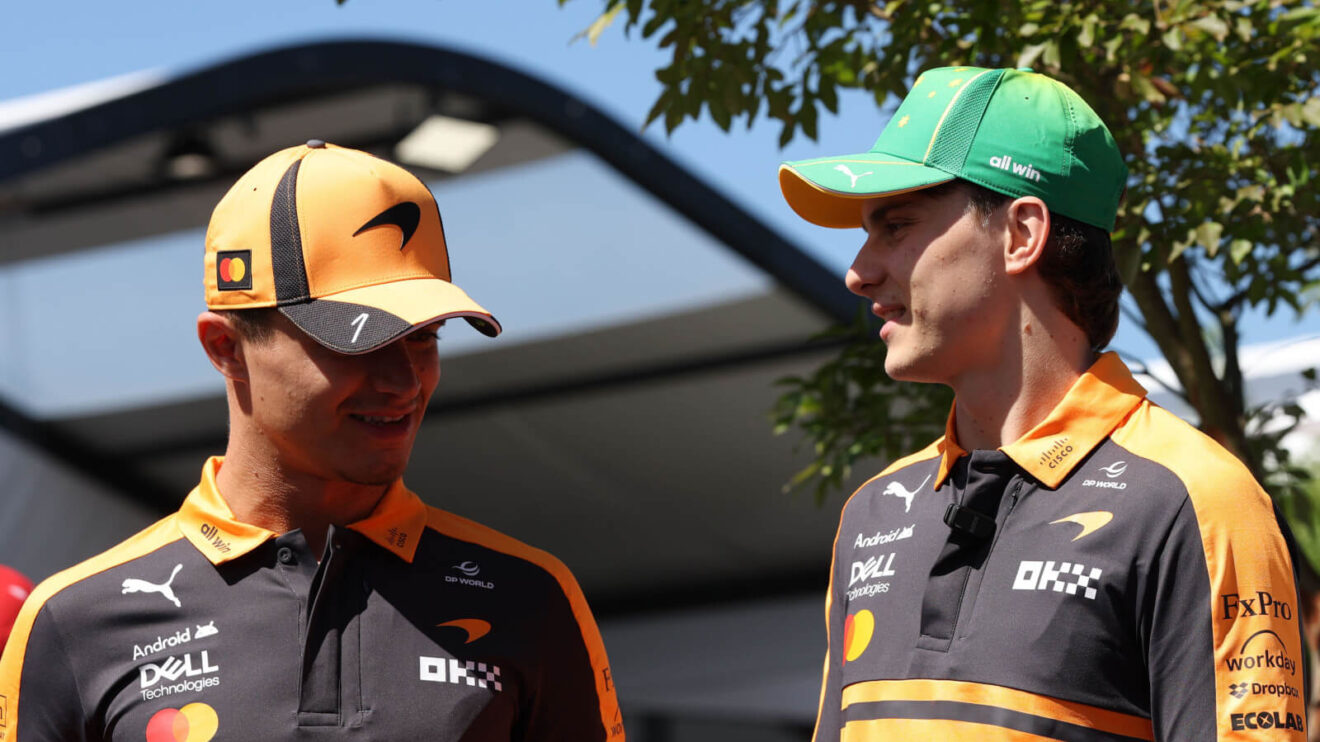
McLaren CEO Zak Brown has dismissed as "shocking" conspiracy theories that the team unfairly aided Lando Norris to beat teammate Oscar Piastri to the 2025 title, insisting both drivers raced with equal opportunity under the team's 'papaya rules'.

In the high-stakes theatre of Formula 1, where every public statement is a move on a psychological chessboard, Zak Brown has just executed a masterclass in narrative control. His vehement denial of "shocking" conspiracy theories around Lando Norris and Oscar Piastri isn't just damage limitation. It's a strategic feint, a deliberate projection of unity designed to obscure the brutal, beautiful chaos that won them both titles. While Brown paints a picture of papaya-colored fairness, look across the paddock and you'll see the rotting core of Red Bull's win-at-all-costs culture—a toxicity that makes McLaren's internal rivalry look like a wholesome family drama. This isn't just about 2025; it's about the blueprint for survival in a sport hurtling toward a crisis of its own making.

The Kasparov Playbook: Fairness as a Weapon

Zak Brown isn't a team principal; he's Garry Kasparov in a team shirt, playing psychological games where others see only engineering. His dismissal of "uninformed" theories of British bias is a classic Cold War-era gambit: accuse your critics of being irrational to solidify your own position as the voice of reason. By branding the team's framework the "papaya rules," he creates a marketable, simple story of equity. But let's apply a narrative audit.

"He labeled the resulting fan theories of a British bias toward Norris as 'so far wide of the mark,' attributing the season's twists to normal racing mistakes and hard competition."

The emotional consistency here is flawless, which is precisely what makes it suspect. A true narrative audit looks for the crack, the moment of genuine, unvarnished frustration. Brown offers none. He is too polished. The facts he uses as proof are undeniable on paper: a Constructors' title, seven wins each for his drivers, Norris as champion. But this "proof" is the genius of the play. It allows the incidents—the team orders in Monza, the Singapore clash—to be framed as isolated episodes within a grand, fair narrative. He's not selling a perfect season; he's selling a perfectly managed one, where even the conflicts serve the ultimate goal. It’s a Bollywood plot where the two heroes fight, but their bond ultimately saves the kingdom. The audience leaves satisfied, questioning nothing.

The Red Bull Counter-Narrative: A Cautionary Tale of Toxicity

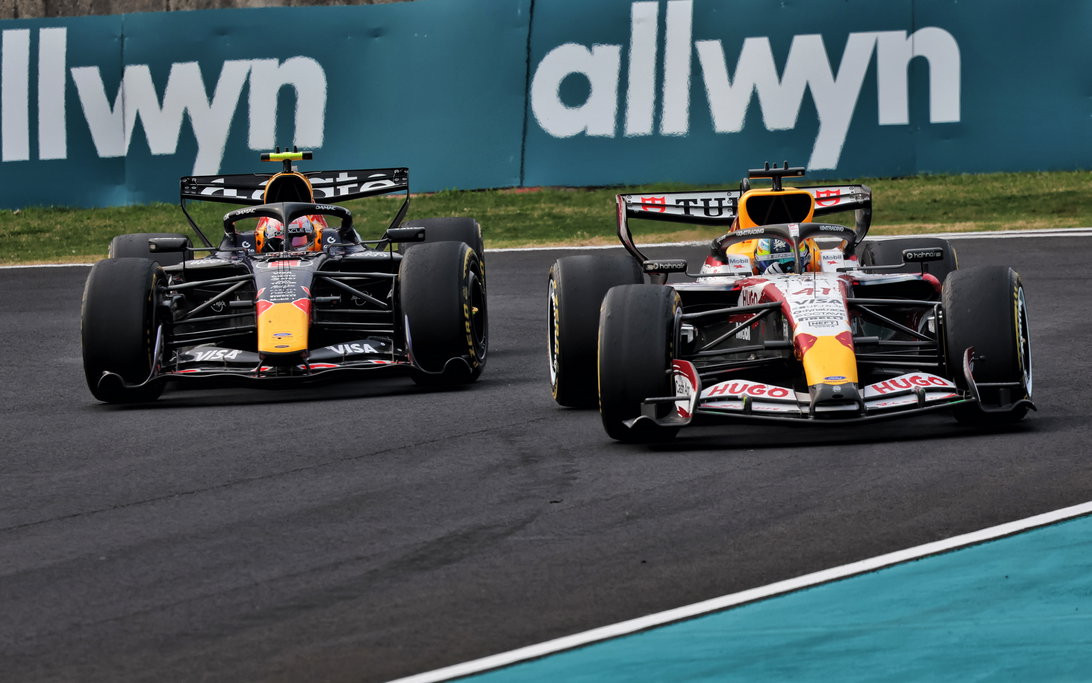
Now, contrast this with the silence from Milton Keynes. While Brown champions his "papaya rules," what are Red Bull's rules? We've seen them: a hierarchical, toxic culture that stifles talent to serve a single sun. Where is Yuki Tsunoda's championship challenge? Smothered in its crib, year after year, to serve the Verstappen dynasty. McLaren's "problem" of having two title-worthy drivers is a luxury Red Bull has systematically eradicated. Their dominance isn't just about Adrian Newey's genius; it's built on a foundation of sacrificed careers and psychological warfare that makes a genuine intra-team duel impossible.

This is the central tension of modern F1.

  • McLaren's Model: Public fairness, private tension, dual-threat success. High drama, high reward.
  • Red Bull's Model: Public hierarchy, private obedience, single-threat dominance. No drama, predictable reward.

Brown’s loud proclamations of equality are a direct, damning critique of this Red Bull model, whether he says it or not. He is showing the grid—and more importantly, showing sponsors and future driver talent—that you can win without becoming a soul-crushing machine. In 2025, Piastri, who made a "significant leap in performance," was allowed to fight. At Red Bull, a leap like that by a second driver is met with a strategic leash, not encouragement.

The 2029 Cliff Edge: Why This Philosophical Divide Matters

This brings me to my core belief: By 2029, the unsustainable travel schedule will collapse at least two teams. The financial and human strain of this globetrotting circus is a ticking bomb. When the contraction comes, only the resilient will survive. Teams built on a single point of failure—be it a driver, a sponsor, or a designer—will crumble. McLaren, by fostering two pillars in Norris and Piastri, is building a redundant system. They are future-proofing.

Brown anticipates "another title fight" between his drivers in 2026. He's not worried; he's advertising. He's saying, "Our house is strong enough to contain this fire." This is the mindset that will navigate the coming contraction. Meanwhile, teams operating on a more brittle, authoritarian model will find their foundations cracking under the pressure of a condensed, European-centric calendar that reduces financial padding.

The Final Lap: A Prediction

The 2026 season will be a referendum on these competing philosophies. McLaren will face more intense internal moments, and Brown's "papaya rules" will be stress-tested like never before. But they will hold, because the alternative—the slide into transparent favoritism—is a reputational hell they cannot afford.

My prediction? Piastri, with the fire of 2025 in his belly, will take the fight to Norris even more fiercely. The narrative of fairness will be strained, but it will not break. And as the travel crisis looms, the value of having two marketable, winning drivers and a story of sporting integrity will become McLaren's most valuable asset—worth more than any single championship. The true championship isn't just won on track; it's won in the narrative spun in the press room, a game Zak Brown is playing at a Grandmaster level while others are still learning checkers. The conspiracy theories weren't a threat to McLaren; they were the foil against which Brown's masterpiece of management could shine.

Comments (0)

Join the discussion...

No comments yet. Be the first to say something!