McLaren sounds alarm over critical F1 safety concerns ahead of 2026 season
McLaren's Andrea Stella urges immediate F1 rule changes before the 2026 season starts, citing unsafe race start procedures, an overtaking crisis due to new car rules, and the risk of high-speed crashes from energy harvesting. He calls for collective action from the F1 Commission to implement fixes ahead of the Australian Grand Prix.
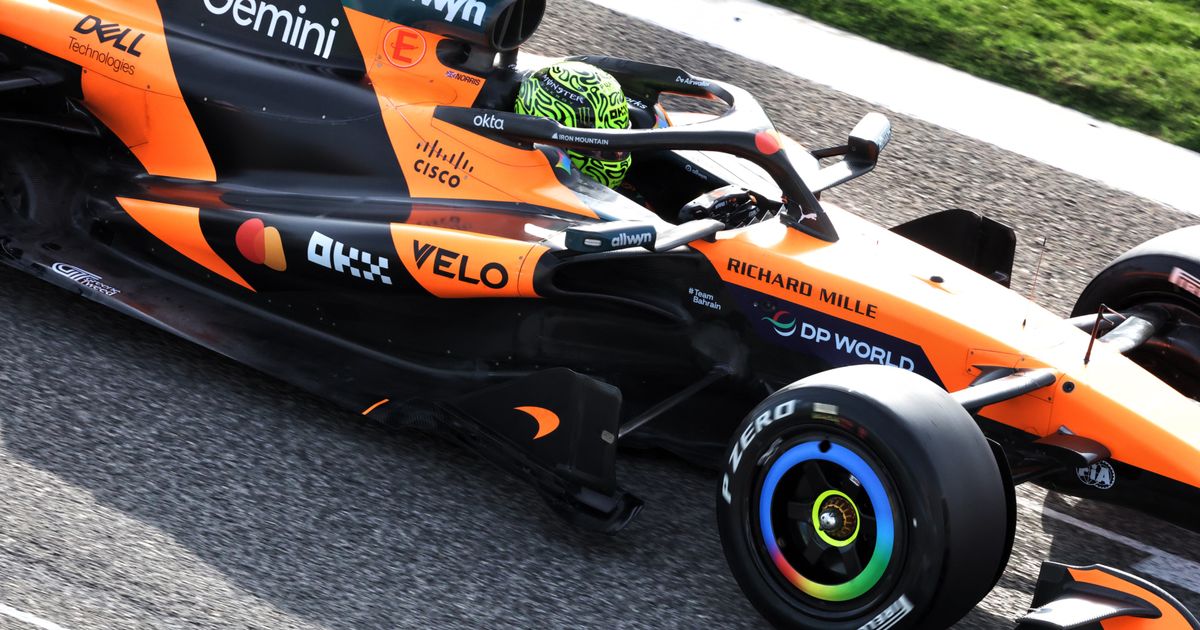
McLaren team principal Andrea Stella has issued a stark warning, calling for immediate changes to address three critical safety and sporting concerns before the 2026 Formula 1 season begins. He highlighted dangerous race start procedures, the extreme difficulty of overtaking with new car regulations, and the risk of collisions from 'lift and coast' energy harvesting as urgent issues requiring collective action from the F1 community.
Why it matters:
With pre-season testing revealing significant challenges under the new 2026 technical regulations, Stella's intervention underscores a potential crisis for the sport's fundamental appeal—close racing and driver safety. His call for pre-emptive fixes before the Australian Grand Prix highlights a narrow window to prevent a season marred by processional races and avoidable incidents, putting pressure on the FIA and teams to collaborate beyond competitive interests.
The Details:
Stella identified three non-negotiable areas needing attention, framing them as simple, possible fixes that are being unnecessarily complicated or delayed.
- Unsafe Race Starts: The current start procedure risks cars being slow off the grid due to power unit readiness. Stella argues the timing of lights and pre-light sequences must be optimized to ensure a safe, synchronized launch for all 20 cars, prioritizing safety over any marginal competitive advantage.
- An Overtaking Crisis: The removal of DRS's straight-line speed advantage, combined with new aerodynamic and power unit rules, has made passing nearly impossible during testing. Drivers now have identical drag and power when following, nullifying the slipstream effect. The minor energy boost for following within one second is insufficient to create a legitimate passing opportunity.
- 'Lift and Coast' Collisions: A new danger emerges from the 2026 cars' need to harvest energy. Stella warns that a leading car suddenly lifting to recharge its battery could cause a high-speed collision for a closely following car, citing historic examples like Mark Webber's crash in Valencia (2010) and Riccardo Patrese's in Portugal (1992) as scenarios F1 must avoid repeating.
What's next:
Stella has placed the issue squarely on the agenda for the upcoming F1 Commission meeting, demanding a compromise be found. He advocates for swift regulatory adjustments before the season opener in Australia, arguing that the solutions are straightforward and implementation should not be postponed. The response from the FIA and other teams will be a key test of the sport's ability to react proactively to regulatory shortcomings, with the quality of racing and driver safety in the balance for the entire 2026 campaign.
Don't miss the next lap
Get the deep dives and technical analysis from the world of F1 delivered to your inbox twice a week.
Zero spam. Only high-octane analysis. Unsubscribe anytime.
Join the inner circle
Get the deep dives and technical analysis from the world of F1 delivered to your inbox twice a week.
Zero spam. Only high-octane analysis. Unsubscribe anytime.
Continue Reading
View More News