McLaren still grappling with Mercedes power unit understanding
F1 analysts reveal McLaren and other Mercedes customer teams are struggling to optimize the championship-leading power unit, as the works team dominates. The issue isn't the hardware but a lack of shared knowledge on software and deployment, creating a significant performance gap that could define McLaren's season.
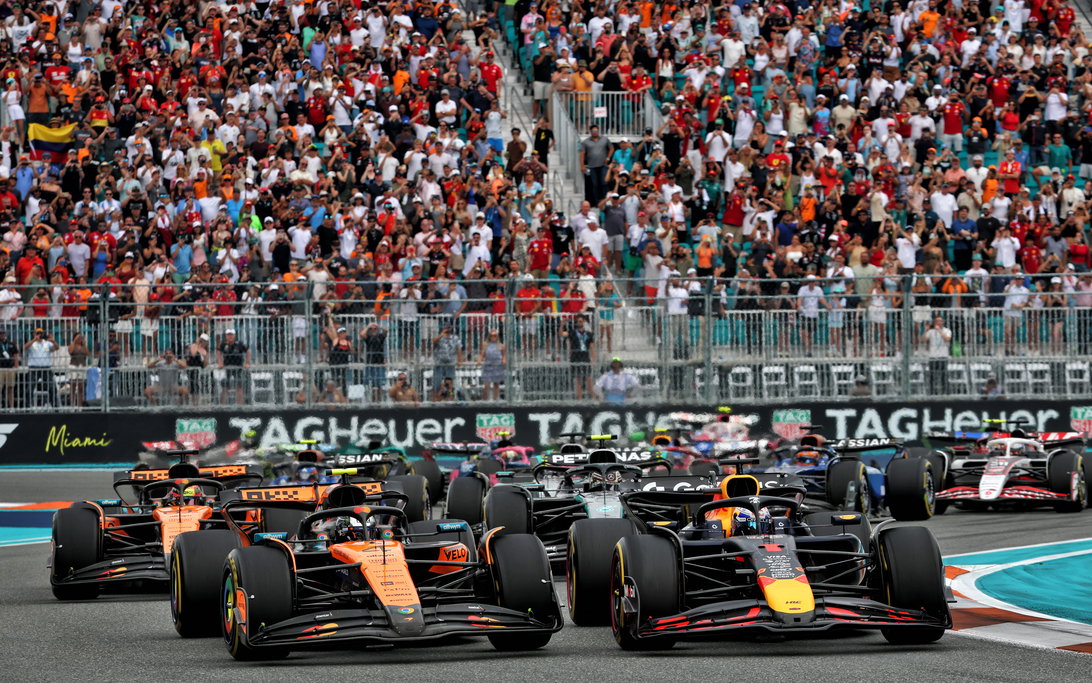
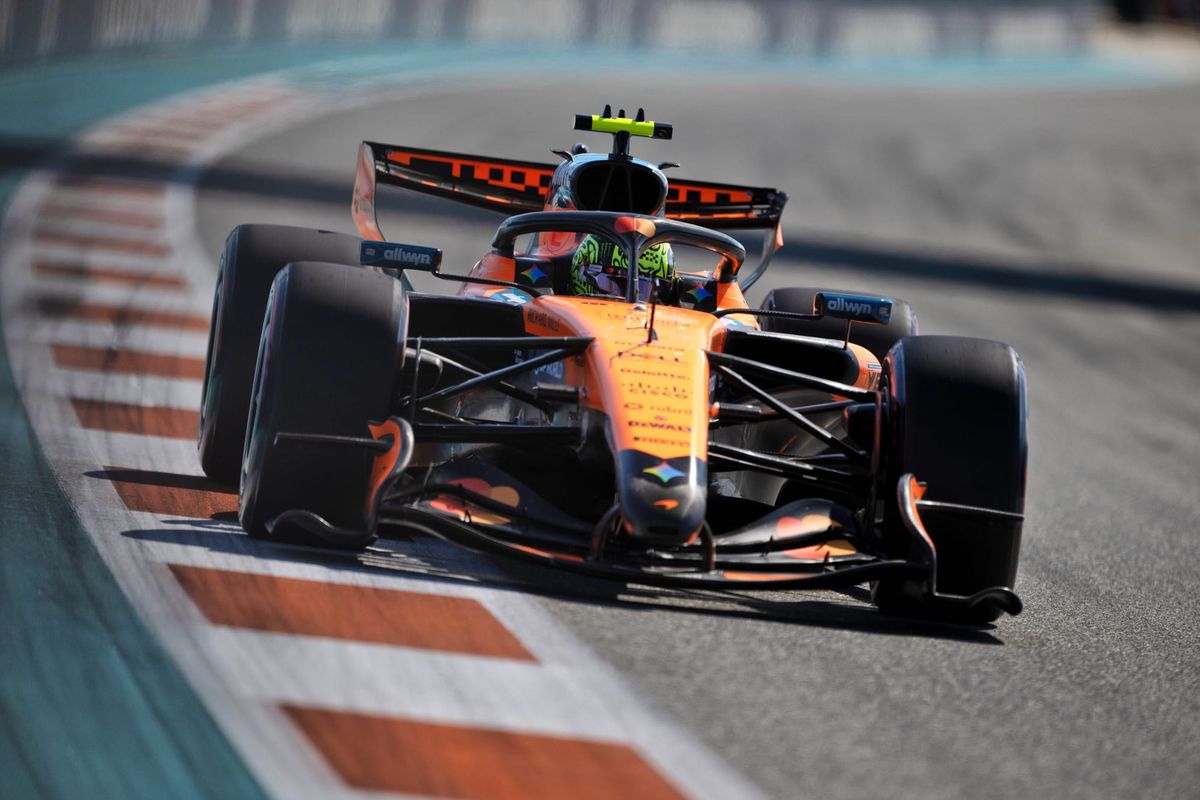
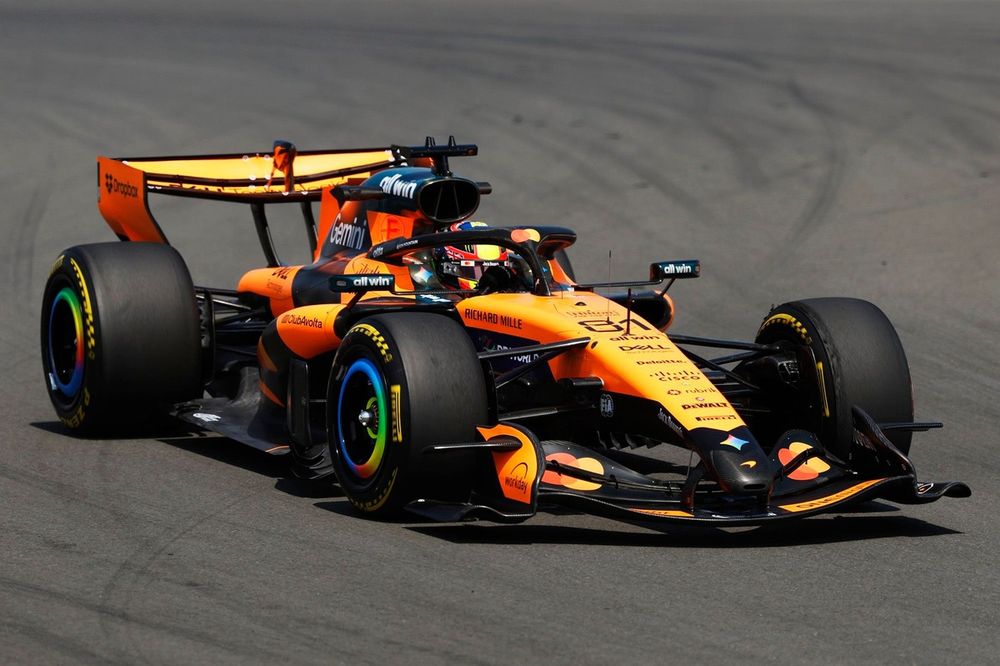
F1 TV commentator Alex Jacques asserts that McLaren, along with other Mercedes customer teams, is struggling to fully understand and optimize the championship-leading power unit, creating a significant performance gap to the works team. Despite Mercedes securing dominant 1-2 finishes in Australia and China, its customer squads—McLaren, Alpine, and Williams—have failed to match that success, hinting at a deeper integration challenge beyond just receiving the hardware.
Why it matters:
The disparity highlights a critical, often overlooked aspect of F1's new era: mastering the complex software and deployment strategies of a power unit is as vital as the hardware itself. For McLaren, a team that has recently challenged Mercedes, this knowledge gap could define their entire 2026 campaign, potentially locking them out of the championship fight unless they can rapidly decode the unit's secrets.
The details:
- Alex Jacques pinpointed a dual problem for McLaren: a chassis not as quick as Ferrari's and an incomplete understanding of their Mercedes power unit.
- He revealed McLaren only received the current specification of the power unit in Australia, not during pre-season testing, putting them behind on the crucial learning curve of deployment and efficiency.
- Former F1 driver Jolyon Palmer provided critical context from conversations with Alpine, another Mercedes customer.
- Alpine indicated the transition hasn't been smooth, citing "teething issues" and a struggle to understand the unit fully.
- Palmer suggested Mercedes, while providing the same hardware and software, may not be sharing optimal setup knowledge, effectively "keeping their cards close to their chest" to maintain a competitive advantage over rivals like McLaren.
- This situation is reportedly hampering all three customer teams, preventing them from using what is currently considered the best power unit in its optimum way.
What's next:
McLaren faces a race against time to unlock the potential of their Mercedes power unit. Their 2026 season trajectory hinges on rapidly closing this knowledge gap through in-house analysis and track experimentation. If they succeed, they could rejoin the fight at the front; if not, they risk being stuck in a frustrating no-man's-land—behind the dominant works team and battling other manufacturers who have deeper integration with their own engines. The upcoming European races will be a key test of their progress.
Don't miss the next lap
Get the deep dives and technical analysis from the world of F1 delivered to your inbox twice a week.
Zero spam. Only high-octane analysis. Unsubscribe anytime.
Join the inner circle
Get the deep dives and technical analysis from the world of F1 delivered to your inbox twice a week.
Zero spam. Only high-octane analysis. Unsubscribe anytime.
Continue Reading
View More News