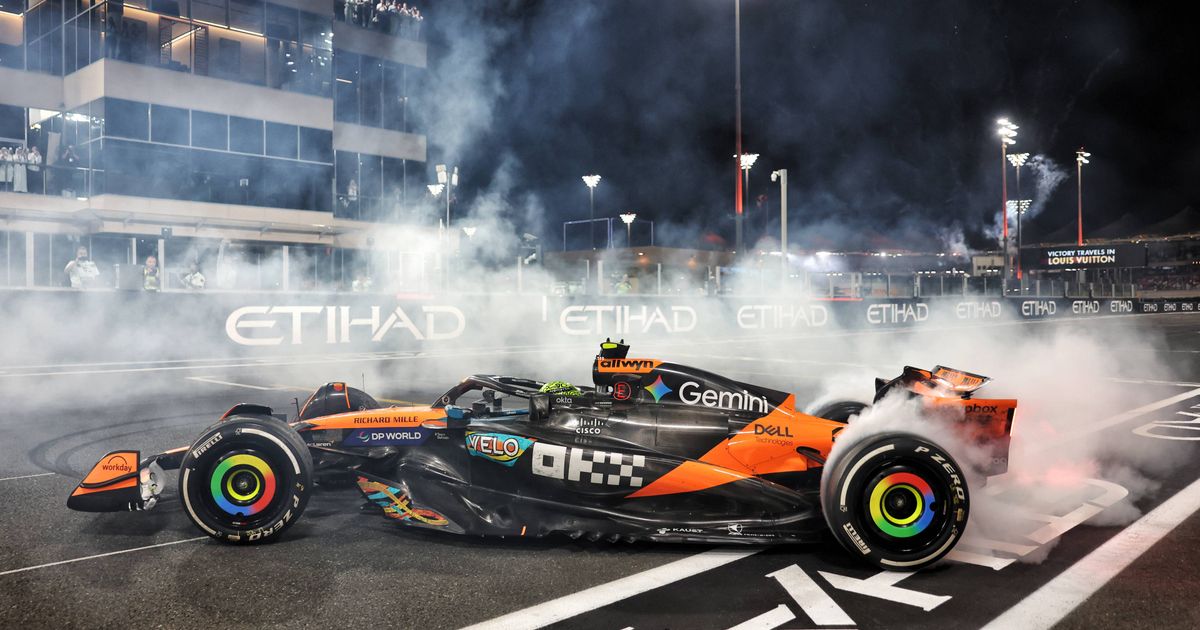
McLaren Targets 2026 Reset: Balancing Active Aero, Power Units, and Testing Time
McLaren anticipates significant performance differentiation in 2026 due to new active aero and power unit regulations. The team will also skip the opening day of testing to prioritize development time.
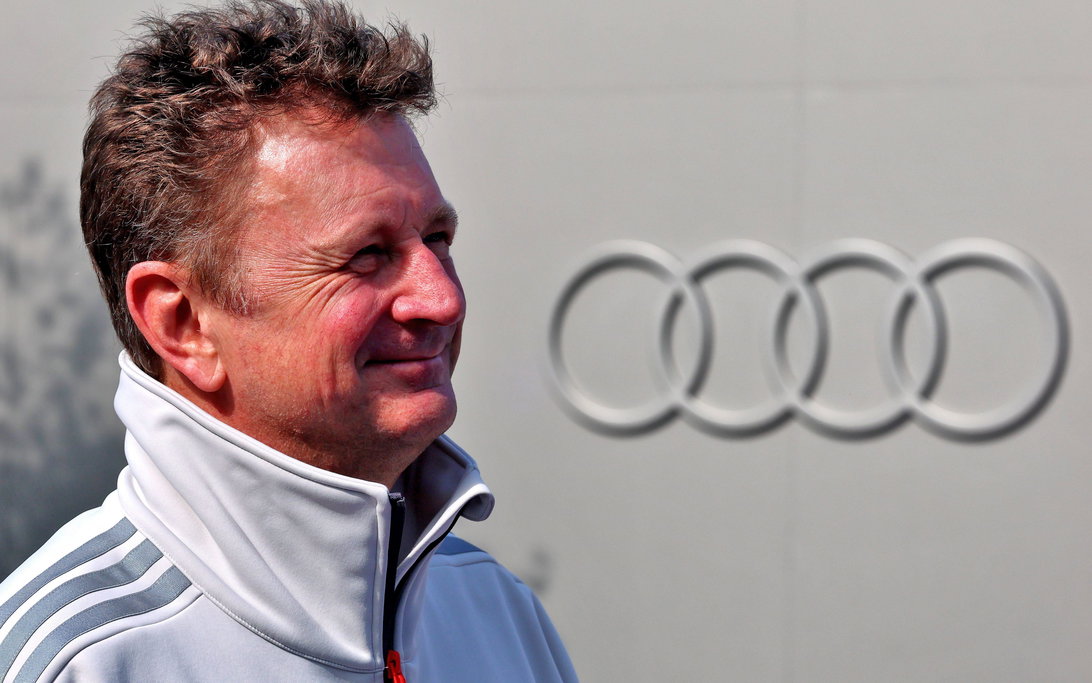
McLaren Technical Director Mark Temple believes the 2026 regulation reset will end the current era of performance convergence, with active aerodynamics and new power units serving as key differentiators. The team is adjusting its strategy accordingly, opting to skip the first day of pre-season testing to maximize development time ahead of the new car's February launch.
Why it matters:
The 2026 rules represent a radical overhaul, introducing fully active aero and removing the MGU-H while tripling electrical power. For McLaren, finding the right balance between these two massive variables is essential to maintaining their competitive momentum against top-tier manufacturers.
The details:
- Differentiation: Temple expects a "reasonable level of differentiation" in both aerodynamic packages and chassis performance, contrasting with the tight pack seen in recent seasons.
- The Power Unit: Variations across manufacturers will play a significant role as the regulations reset, moving away from the stability that defined the V6 hybrid era.
- Testing Strategy: Andrea Stella confirmed McLaren will not run on the opening day of the Barcelona test. This decision prioritizes extending development time to arrive with a more refined package.
- Launch Date: The new McLaren is set to officially unveil on February 9.
What's next:
Temple admits the true pecking order won't be established until the first couple of races are completed. McLaren's approach suggests a focus on hitting the ground running with maximum reliability and performance rather than accumulating early mileage.
Don't miss the next lap
Get the deep dives and technical analysis from the world of F1 delivered to your inbox twice a week.
Zero spam. Only high-octane analysis. Unsubscribe anytime.
Join the inner circle
Get the deep dives and technical analysis from the world of F1 delivered to your inbox twice a week.
Zero spam. Only high-octane analysis. Unsubscribe anytime.
Continue Reading
View More News