McLaren to keep Barcelona spec for Australia amid 2026 uncertainty
McLaren plans to retain its Barcelona testing specification for the Australian Grand Prix, prioritizing understanding the new MCL40 over immediate updates.
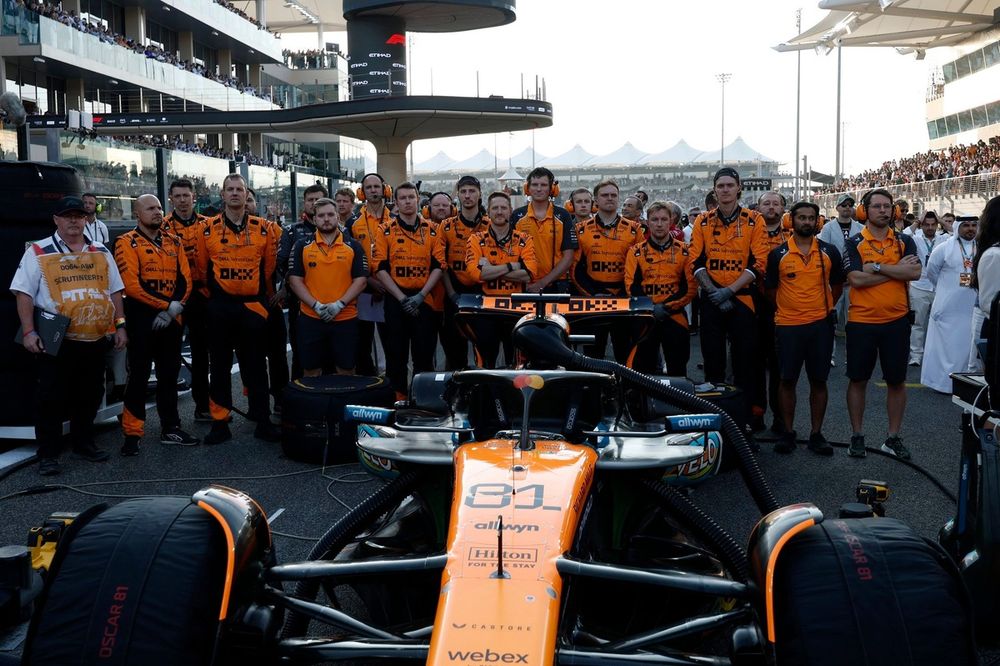
McLaren plans to field the same specification of the MCL40 at the Australian Grand Prix that it runs during pre-season testing in Barcelona. Contradicting expectations of rapid evolution, the reigning champions aim to prioritize understanding their new platform under the 2026 regulations over introducing immediate upgrades.
Why it matters:
The 2026 season brings a radical overhaul of technical regulations covering both chassis and power units. With such a significant reset, the correlation between simulator data and on-track performance is a major unknown. McLaren's strategy suggests a calculated risk: sacrificing potential early performance gains to ensure a solid, reliable data foundation for the rest of the season.
The details:
- Stability over Speed: Chief Designer Rob Marshall indicated that the car seen in Barcelona will likely be the one raced in Melbourne. The team wants to avoid "complicating stuff" with new parts before understanding the base package.
- Complexity: Marshall described the new car as "very complicated" and "all new," requiring significant time to dial in and tune.
- Watching the Rivals: Marshall noted the team must remain inspired by the opposition but will focus on getting their heads around their own car first.
- Correlation Concerns: Technical Director Mark Temple expressed uncertainty about how aerodynamic packages will translate from tools to the track. The new regulations make airflow prediction harder, increasing the importance of real-world data gathering.
- Testing Schedule: McLaren will skip the first day of the Barcelona test (Jan 26-30) and hold its official launch on February 9.
What's next:
The team will use the Barcelona test to identify "known unknowns" and bridge the gap between simulation and reality. Once they validate their tools, they can pivot to aggressive development, but the initial focus remains on reliability and understanding the new concept.
Don't miss the next lap
Get the deep dives and technical analysis from the world of F1 delivered to your inbox twice a week.
Zero spam. Only high-octane analysis. Unsubscribe anytime.
Join the inner circle
Get the deep dives and technical analysis from the world of F1 delivered to your inbox twice a week.
Zero spam. Only high-octane analysis. Unsubscribe anytime.
Continue Reading
View More News