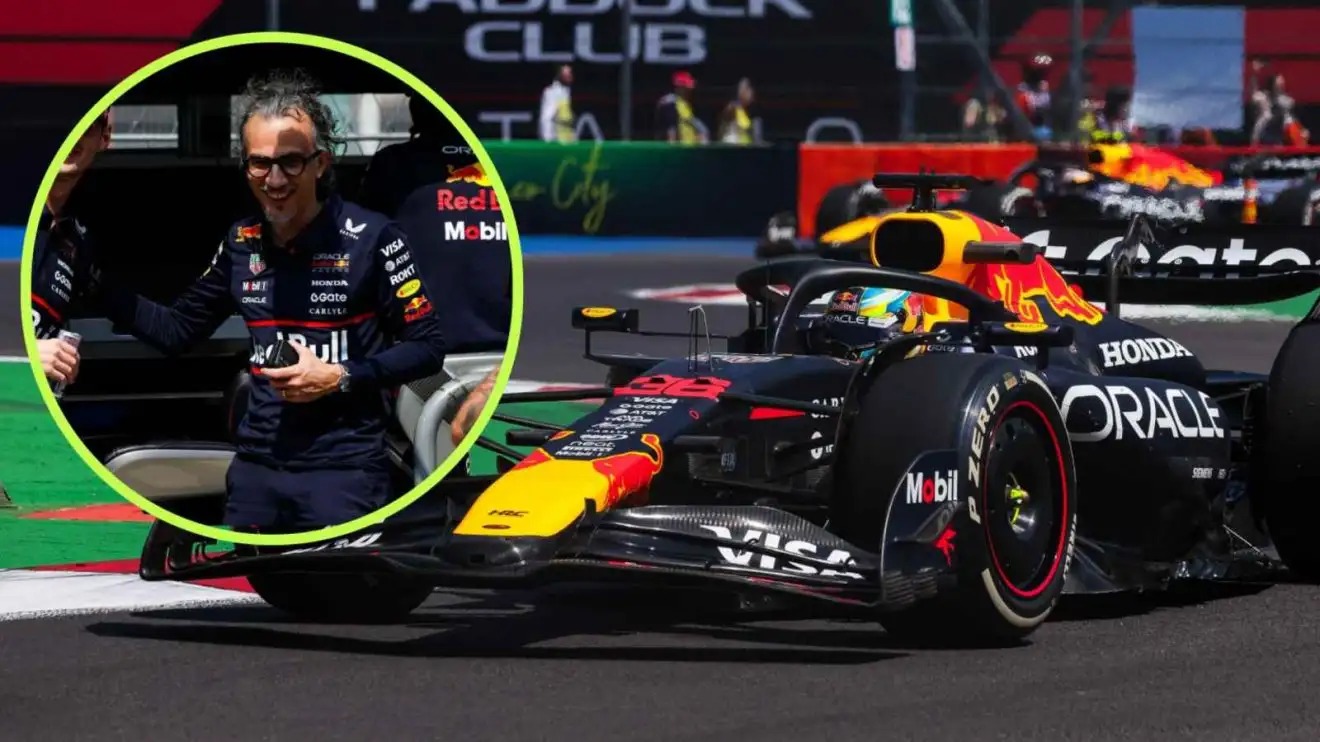
Mekies Reveals Red Bull's Big Risk with Rookie Lindblad in Mexico FP1
Red Bull took a significant risk by allowing rookie Arvid Lindblad to drive Max Verstappen's sole updated chassis during FP1 in Mexico. Team Principal Laurent Mekies confirmed the pressure on the 18-year-old, who delivered an impressive, incident-free performance despite tricky conditions and crucial new components on the line, highlighting Red Bull's confidence in their junior talent.
Red Bull team principal Laurent Mekies revealed the significant gamble the team took by entrusting Arvid Lindblad with Max Verstappen's upgraded chassis during FP1 at the Mexico City Grand Prix, highlighting the immense pressure on the 18-year-old.
Why it matters:
Red Bull's decision to put their sole updated chassis in the hands of a rookie driver in tricky conditions underscores their aggressive approach to car development and their confidence in junior talent. It also highlights the inherent risks involved in F1's mandatory rookie sessions, where critical data and new components are at stake.
The Details:
- Rookie Performance: Arvid Lindblad, an 18-year-old British driver, impressively filled in for Max Verstappen during FP1 in Mexico, completing 26 laps and lapping a tenth faster than full-time driver Yuki Tsunoda.
- Upgraded Chassis: Lindblad was driving Verstappen's car, which featured several crucial new upgrades, including a revised floor, brake ducts, and sidepod modifications. This made his session even more critical for the team's data collection.
- The Risk: Mekies admitted that putting the new, upgraded package on a rookie's car was a substantial risk. Any damage would have forced the team to revert to an older specification, potentially compromising their weekend performance.
- Pressure on Lindblad: "Close to 15 people" reportedly instructed Lindblad to avoid taking risks, emphasizing the importance of preserving the updated car. Despite the pressure and challenging track conditions (dusty and slippery), Lindblad navigated the session flawlessly, without touching curbs or putting a wheel on the grass.
- Verstappen's Involvement: Max Verstappen closely monitored the session from the pit wall, analyzing every piece of data from both Lindblad and Tsunoda's runs. He observed how the car reacted to their inputs, effectively using the time to prepare for his own FP2 session. This demonstrated his intense focus and competitive drive, even when not behind the wheel.
The Big Picture:
This incident exemplifies the dual challenge F1 teams face: integrating mandatory rookie sessions for talent development while simultaneously pushing the boundaries of car development. Red Bull's willingness to take such a risk with a new package on a rookie suggests a deep trust in their junior drivers and a calculated pursuit of performance gains, even if it means putting critical components on the line.
What's Next:
Lindblad's impressive performance under pressure will undoubtedly boost his standing within the Red Bull junior program. For the team, successfully navigating this risk means they gathered valuable data on their upgrades. This strategic gambit, while potentially high-stakes, could pave the way for future rookie integrations and accelerate the development of their car, setting a precedent for how teams approach these crucial practice sessions.