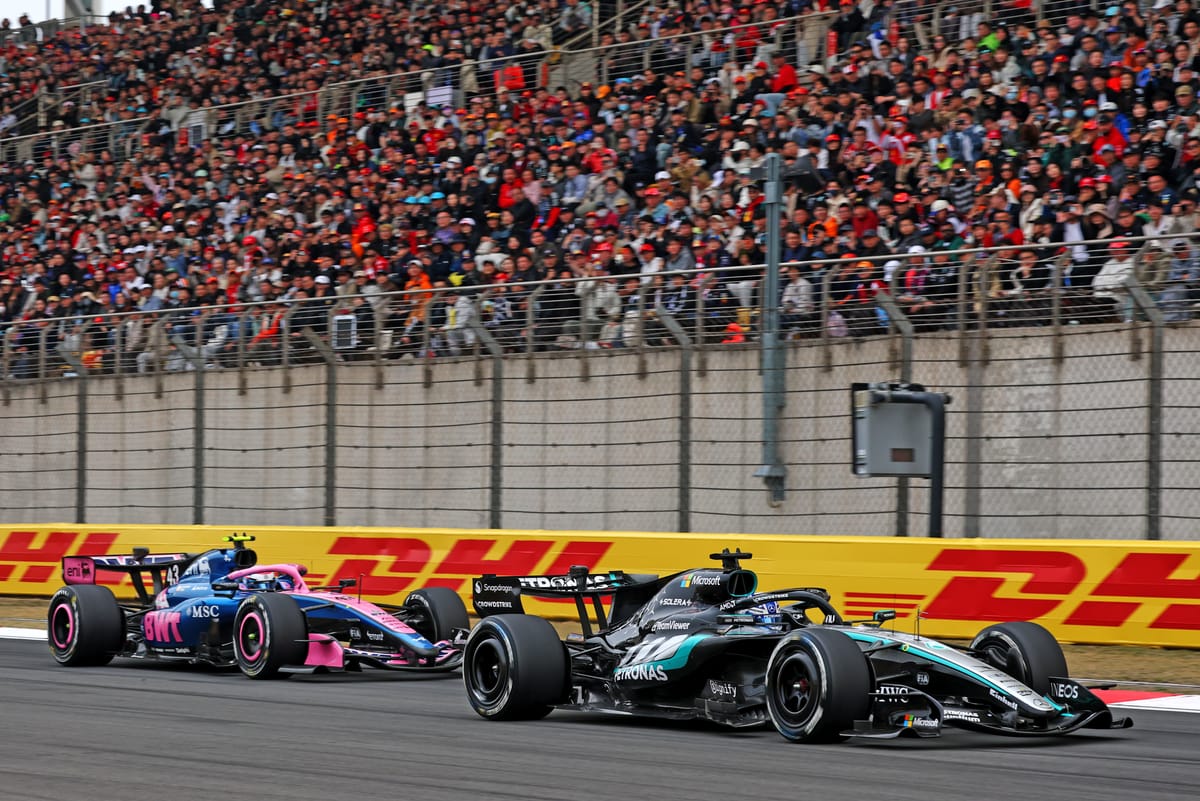
Mercedes-Alpine stake deal would undermine F1's integrity
Mercedes exploring a stake in Alpine F1 team threatens the sport's competitive integrity by creating a common ownership problem. This move, beyond a standard supplier deal, risks making a rival team dependent and undermines fair competition at a time F1 seeks more equality. The sport's governance must act to prevent such structures.
Mercedes considering buying a stake in the Alpine F1 team poses a significant threat to the sport's competitive integrity and should be prevented. The core issue is common ownership, where one entity holds an interest in multiple competitors, creating an inherent conflict of interest and the perception of potential manipulation, regardless of the stake's size or the company's intentions.
Why it matters:
At a time when Formula 1 is healthier than ever and working to create a more level playing field, allowing a top team to gain influence over a rival undermines the fundamental principle of fair competition. With only 11 teams on the grid, the sport cannot afford structures that could turn one competitor into a “vassal state” of another, stalling long-term progress toward having more teams capable of fighting at the front.
The Details:
- The debate centers on Mercedes potentially acquiring Otro Capital's 24% stake in Alpine, moving beyond a standard engine supplier relationship into shared ownership.
- This creates a problematic precedent distinct from existing technical partnerships, like Haas-Ferrari, which are purely transactional without ownership ties.
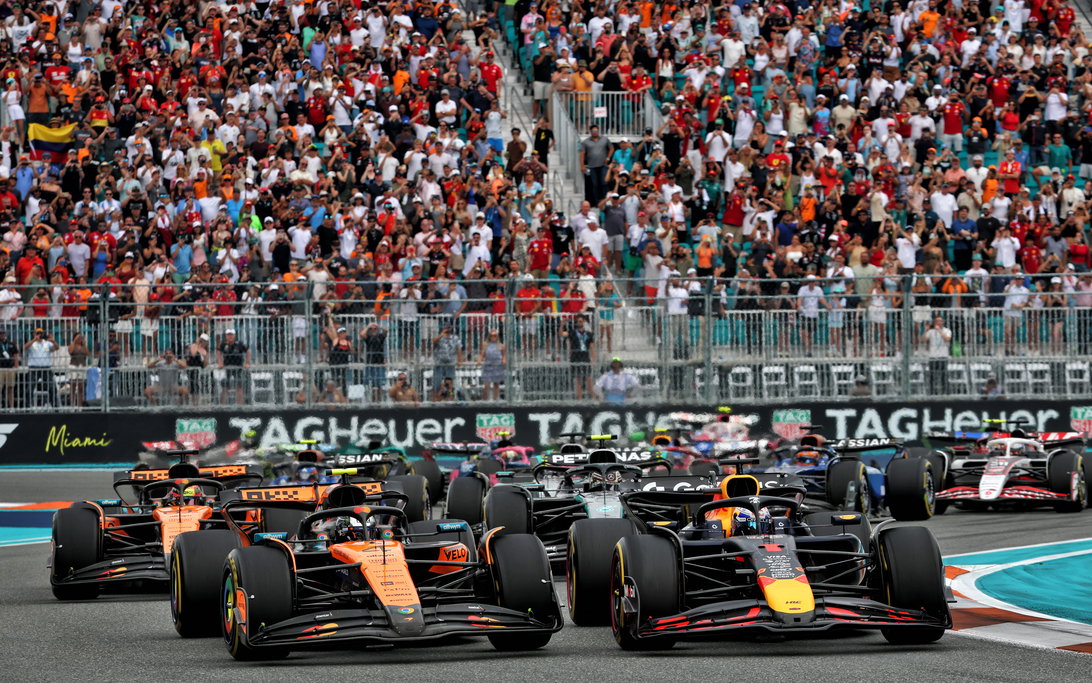
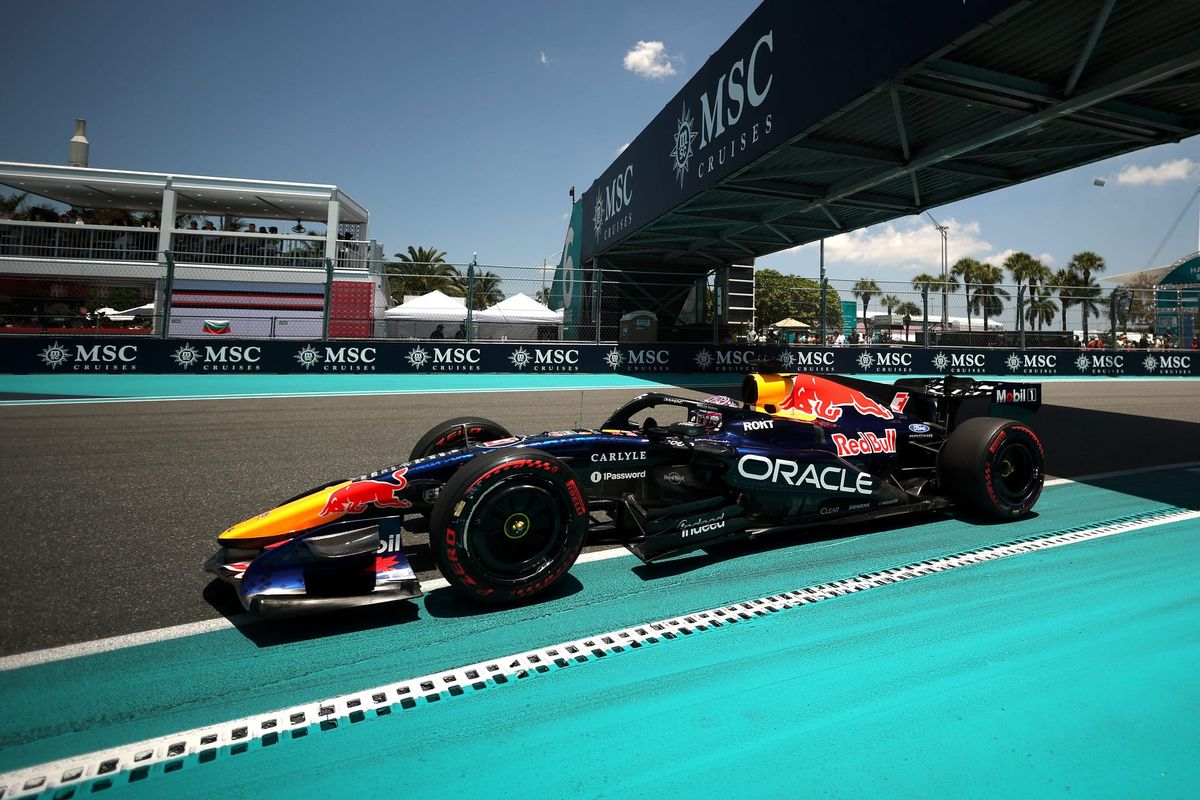
- The Red Bull Precedent: While Red Bull owns two teams (Red Bull Racing and VCARB), this arrangement originated from necessity in a different F1 era and should not be used to justify new common ownership deals. The article argues this existing structure should be “grandfathered” in but not replicated, with gentle pressure for Red Bull to eventually divest its second team.
- Risk of Dependence: A stake purchase could make Alpine dependent on Mercedes for more than just power units, potentially extending to gearboxes and other transferable components, diminishing its independent competitive capability.
- Perception is Reality: The central argument isn't that Mercedes would act improperly, but that the mere possibility and perception of wrongdoing erodes confidence in the sport's fairness from fans and outside observers.
What's next:
The article concludes that F1's governance currently lacks a clear mechanism to block such a deal, meaning “the metaphorical horse may already have bolted.” To protect the sport's integrity, the FIA and Formula One Management should act to close this regulatory loophole, preventing common ownership from taking root and ensuring all ten teams remain truly independent competitors.
Don't miss the next lap
Get the deep dives and technical analysis from the world of F1 delivered to your inbox twice a week.
Zero spam. Only high-octane analysis. Unsubscribe anytime.
Join the inner circle
Get the deep dives and technical analysis from the world of F1 delivered to your inbox twice a week.
Zero spam. Only high-octane analysis. Unsubscribe anytime.
Continue Reading
View More News