Mercedes and Ferrari reveal diffuser holes to adapt to 2026 regulations
Mercedes and Ferrari have debuted diffuser holes for 2026. This design compensates for simplified floors and reduced ground effect under new regulations, aiming to maximize downforce through airflow management.
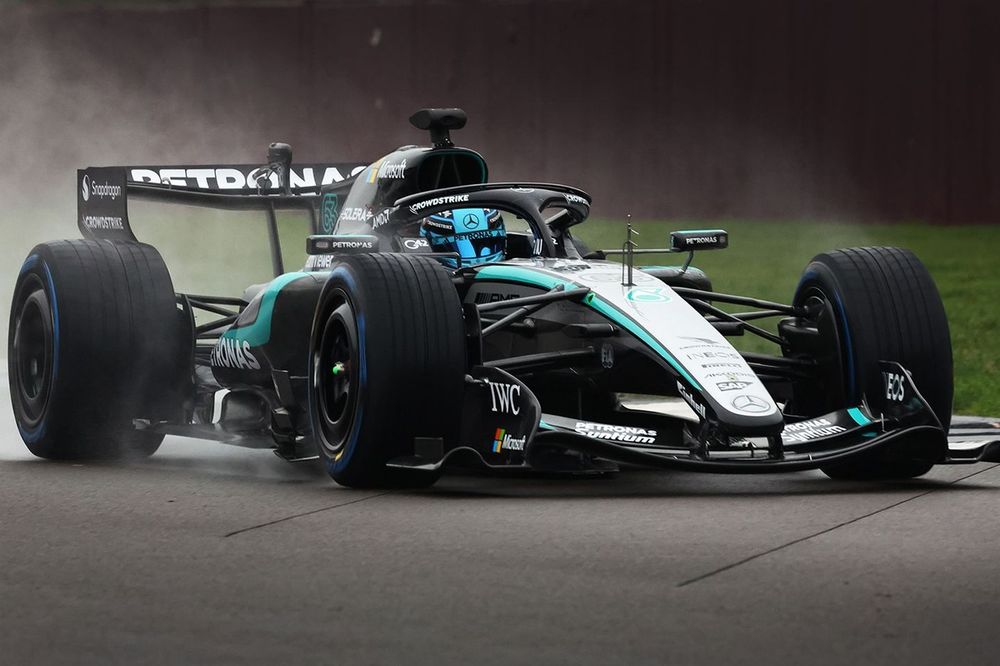
Early shakedowns for the 2026 Formula 1 season have revealed a significant aerodynamic trend, with Mercedes and Ferrari both featuring openings in their diffusers. As teams adapt to simplified floor regulations that drastically reduce ground-effect downforce, these "mouse hole" style apertures are designed to channel airflow from undercut sidepods to energize the diffuser. This marks a departure from the sealed concepts of recent years and highlights the technical challenges posed by the new rules.
Why it matters:
The 2026 regulatory overhaul has flattened floors and eliminated the powerful Venturi tunnels that defined the 2022-2025 era. With less natural airflow generated underneath the car, teams are forced to find external solutions to maintain downforce levels. This diffuser innovation represents the first major philosophical shift in how teams will generate rear-end grip under the new rules, potentially setting the standard for the grid.
The details:
- Airflow Management: The diffuser hole works by pulling air from the sidepod undercut over the floor edge. This accelerates flow towards the diffuser ramp, preventing separation and boosting downforce in a way similar to a steep wing element.
- Regulatory Shift: Unlike the previous era where sealing the diffuser was paramount for Venturi efficiency, the 2026 rules require "breathing" the diffuser to utilize external flow structures.
- Combating Inwash: The return of inwash-generating devices brings dirty air from front tires towards the floor center. A stronger, energized airflow from the diffuser hole helps counteract this turbulence and "tyre squirt" from the rear wheels.
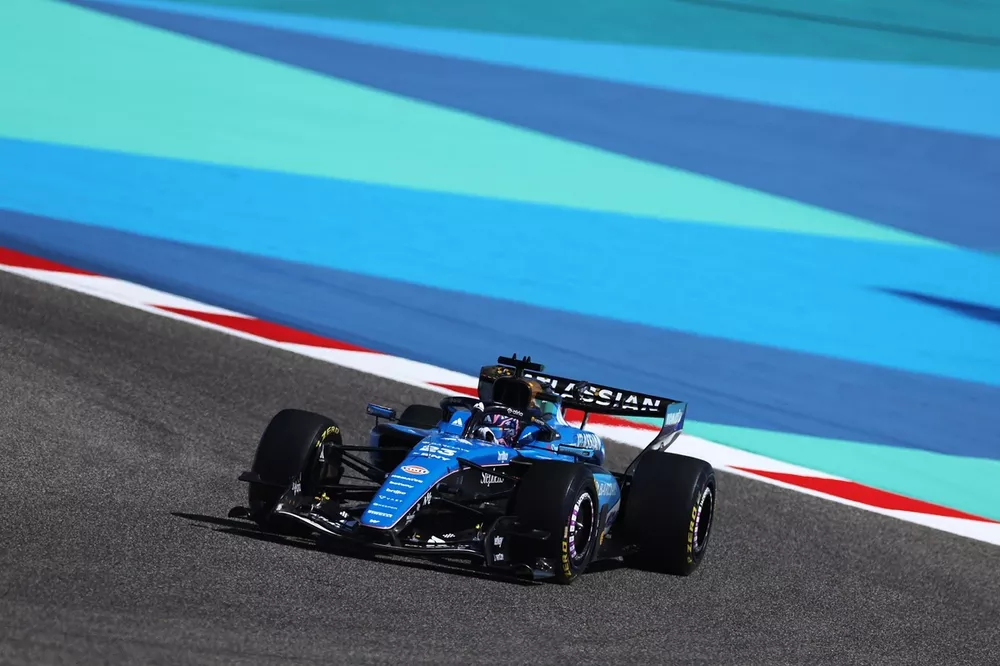
- Industry Reaction: Alpine's technical director noted the solution was expected, highlighting that optimizing the interaction between bodywork and the diffuser will be a key development area.
What's next:
While the concept is currently viewed as an interesting interpretation rather than a shock, significant development is expected. Teams will likely refine the size and placement of these openings as they understand the full scope of the 2026 aero map, making the rear corner a focal point for the upcoming season.
Don't miss the next lap
Get the deep dives and technical analysis from the world of F1 delivered to your inbox twice a week.
Zero spam. Only high-octane analysis. Unsubscribe anytime.
Join the inner circle
Get the deep dives and technical analysis from the world of F1 delivered to your inbox twice a week.
Zero spam. Only high-octane analysis. Unsubscribe anytime.
Continue Reading
View More News