Mercedes' early dominance exposes McLaren's 2024 struggles
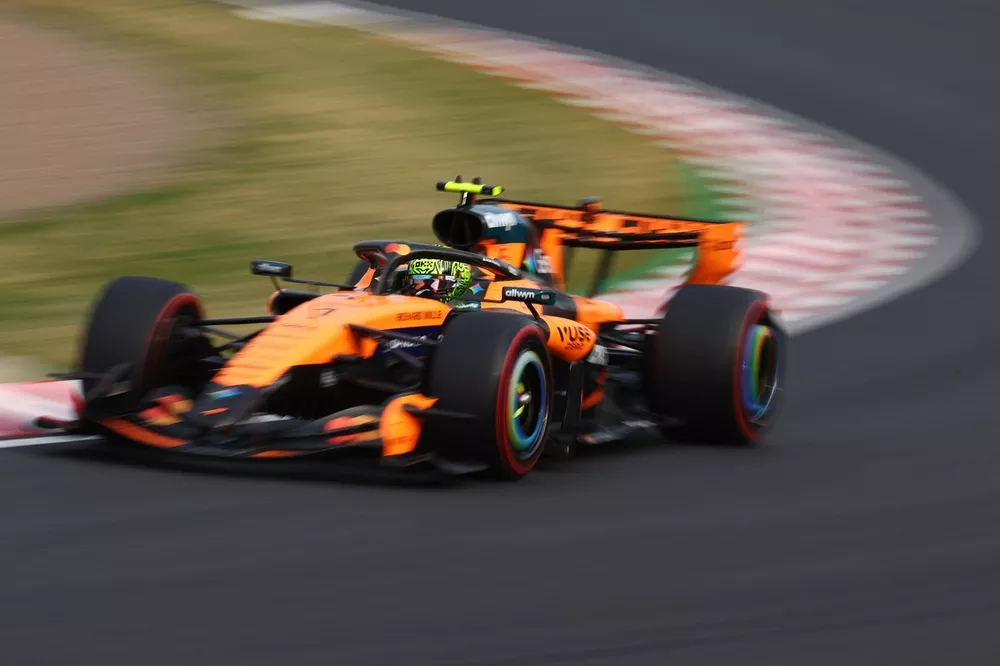
Mercedes has begun the 2024 F1 season with a dominant sweep of all races, highlighting a significant performance gap over customer team McLaren. Oscar Piastri and McLaren are grappling with reliability woes and a car that lacks downforce and efficient power unit usage compared to the benchmark Mercedes, forcing a urgent development push to get back in contention.
Mercedes has opened the 2024 Formula 1 season with a perfect record, winning every Grand Prix and Sprint race so far, while its customer team McLaren—and specifically driver Oscar Piastri—has endured a brutal start plagued by reliability issues and a clear performance deficit. Despite the small sample size, this early dominance has solidified Mercedes as the team to beat and exposed the steep hill its rivals must climb.
Why it matters:
Mercedes' commanding start, powered by a superior power unit and aerodynamic efficiency, is reshaping the competitive hierarchy early in the season. For customer teams like McLaren, which did not receive the latest spec of Mercedes power unit before Australia, the performance gap is a stark reminder of the disadvantages they face. This dynamic puts immense pressure on teams like McLaren and Ferrari to find rapid solutions or risk falling irrecoverably behind in both championships.
The details:
- McLaren's Performance Deficit: Oscar Piastri, a title contender in 2023, has yet to start a Grand Prix this year due to technical failures. He acknowledges Mercedes has a clear advantage, stating the rival car simply has "more downforce" and is "using the power unit a bit better."
- The Power Unit Gap: McLaren and other Mercedes customers are at a further disadvantage, having not received the latest power unit specification before the Australian GP, putting them behind on development and optimization.
- Aerodynamic Intrigue: Paddock speculation focused on Mercedes' active aerodynamics after footage showed its front wing deactivating in two stages. While the FIA investigated and accepted Mercedes' explanation that it was a hydraulic reliability issue—not a deliberate exploit—within the 400ms legal window, a belief persists that their straight-line mode is exceptionally potent.
- No Single 'Trick': Piastri downplayed the idea of one secret to Mercedes' speed, attributing it to cumulative gains. "There's not really one area where we're weak... It's just a bit across the board," he said, noting that small differences in power unit deployment "add up incredibly quickly."
- Ferrari's Contrasting Profile: Piastri also observed that Ferrari appears to be even stronger than Mercedes in the corners but weaker on the straights, presenting a different performance profile that McLaren can also learn from.
What's next:
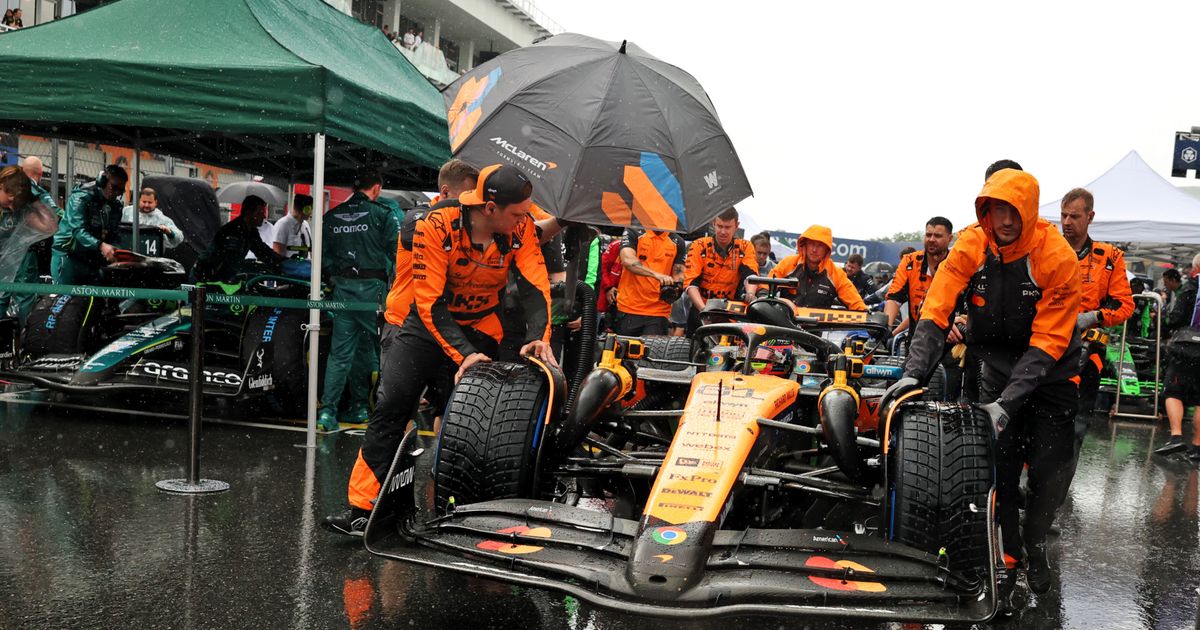
The pressure is now squarely on McLaren to understand and close the performance gap. Their immediate focus is on solving persistent reliability problems, like the battery software issue that sidelined Piastri in China, while extracting more downforce from their own car. With Mercedes showing no obvious weakness, the development race in the coming European rounds will be critical for McLaren, Ferrari, and others to prevent the season from becoming a runaway championship for the Silver Arrows.
Don't miss the next lap
Get the deep dives and technical analysis from the world of F1 delivered to your inbox twice a week.
Zero spam. Only high-octane analysis. Unsubscribe anytime.
Join the inner circle
Get the deep dives and technical analysis from the world of F1 delivered to your inbox twice a week.
Zero spam. Only high-octane analysis. Unsubscribe anytime.