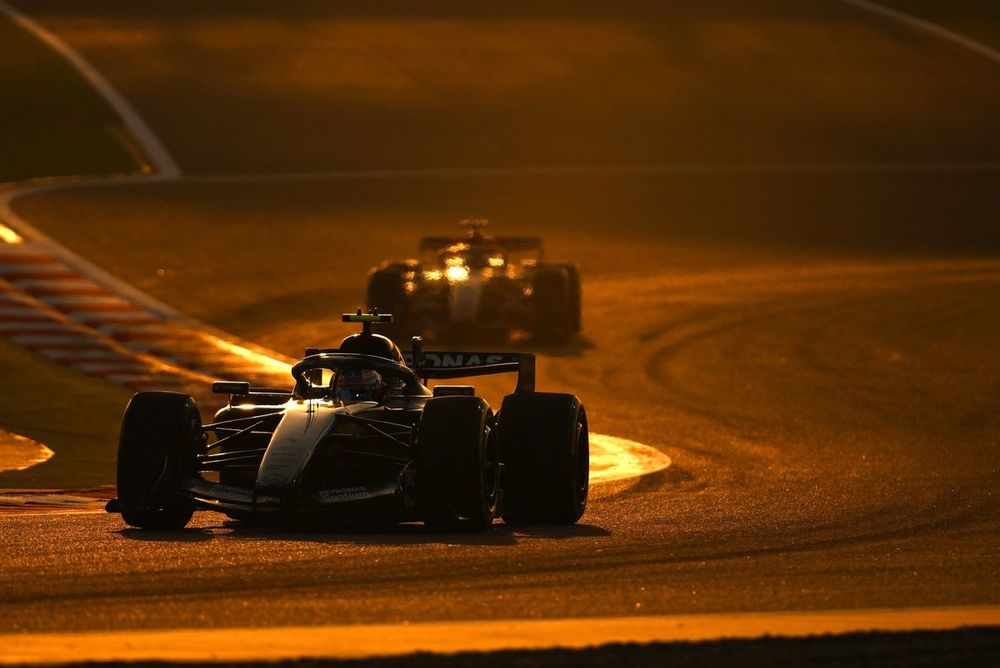
Mercedes emerges as 2026 favorite after testing, with Ferrari close behind
Mercedes exits preseason testing as the 2026 title favorite, with Ferrari a close second. Red Bull's new engine impressed, but Aston Martin struggled significantly. The new regulations have allowed for technical innovation but failed to immediately disrupt the established top-team hierarchy, setting the stage for a fierce development battle.
Mercedes has solidified its position as the preseason favorite for the 2026 Formula 1 title, with Ferrari showing promising pace but still appearing to be the second force. While Ferrari topped the overall timesheets in Bahrain testing, rivals and long-run data suggest Mercedes holds a performance reserve, maintaining the competitive hierarchy from last season despite sweeping new regulations.
Why it matters:
The 2026 season introduced major chassis and power unit rule changes, theoretically opening the door for a dramatic shakeup. The early indication that the established top four teams—Mercedes, Ferrari, McLaren, and Red Bull—have maintained their advantage underscores the structural challenges of closing the gap, even under a budget cap. It sets the stage for a development war rather than an immediate revolution.
The details:
- Mercedes' Reserved Strength: Rivals, including Max Verstappen, believe Mercedes is 'sandbagging' or holding performance back. Pirelli data showing lap times were slower than expected in Bahrain further hints at teams not showing their full hand.
- Ferrari's Cautious Optimism: The Scuderia's long runs were consistent, particularly in energy deployment, sparking optimism in Maranello. However, their headline lap time was set on a softer tire compound (C4) than Mercedes used, slightly skewing the picture.
- Red Bull's Engine Surprise: The new Red Bull Powertrains (RBPT) DM01 unit has been reliable and competitive, a significant achievement for a newcomer. While not the outright 'benchmark' as Toto Wolff claimed, it has allowed Red Bull to stay in the fight with McLaren for best of the rest.
- Aston Martin's Significant Struggle: The team emerged as the clear loser of testing, with a car that has considerable work needed. Challenges stem from Honda rebuilding its F1 operations, Aston Martin running its own gearbox for the first time, and delays with its new wind tunnel and Adrian Newey's late start.
- Technical Innovation Persists: Despite fears of restrictive rules, creative designs emerged. Ferrari tested a novel rotating rear wing, and Audi unveiled unique sidepods with rear-moving flaps, proving there is still room for distinctive engineering solutions.
What's next:
The true competitive order and the full impact of the 2026 regulations will only become clear at the season-opening Australian Grand Prix. Melbourne's circuit will present a greater energy management challenge, potentially forcing drivers into more 'unnatural' lift-and-coast maneuvers. Furthermore, the political battle over Mercedes' engine compression ratio, which led to a vote on new tests, is set to simmer until new rules potentially take effect in August, ensuring off-track intrigue matches the on-track development race.