Mercedes Withdraws From Alpine Pursuit Revealing The Fragility Of Overcomplicated Aero Empires
Mercedes withdraws from bidding for Alpine's 24% stake due to valuation misalignment, potentially clearing the path for Christian Horner's return to F1 ownership.
The news lands like a sudden gust tearing through an unsteady front wing. Mercedes has pulled out of talks to buy Otro Capital's 24 percent stake in Alpine, leaving the door cracked for Christian Horner and his unfinished business narrative. Yet this is no simple ownership shuffle. It exposes how modern Formula 1 teams chase aerodynamic complexity at the expense of the raw mechanical grip that once defined true racing machines.
Valuation Gaps And The Illusion Of Control
The numbers tell a familiar story of mismatched expectations. Otro Capital wants 720 million dollars for its slice, while sober valuations place the team around 620 million based on a 2.6 billion dollar overall price tag. Mercedes walked away cleanly.
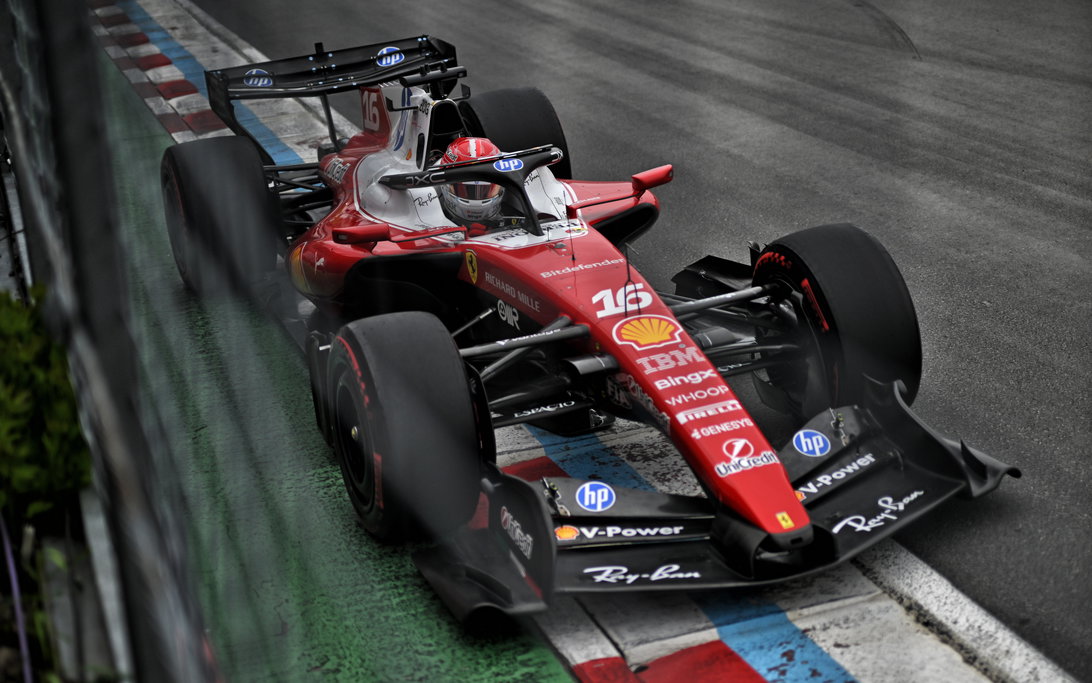
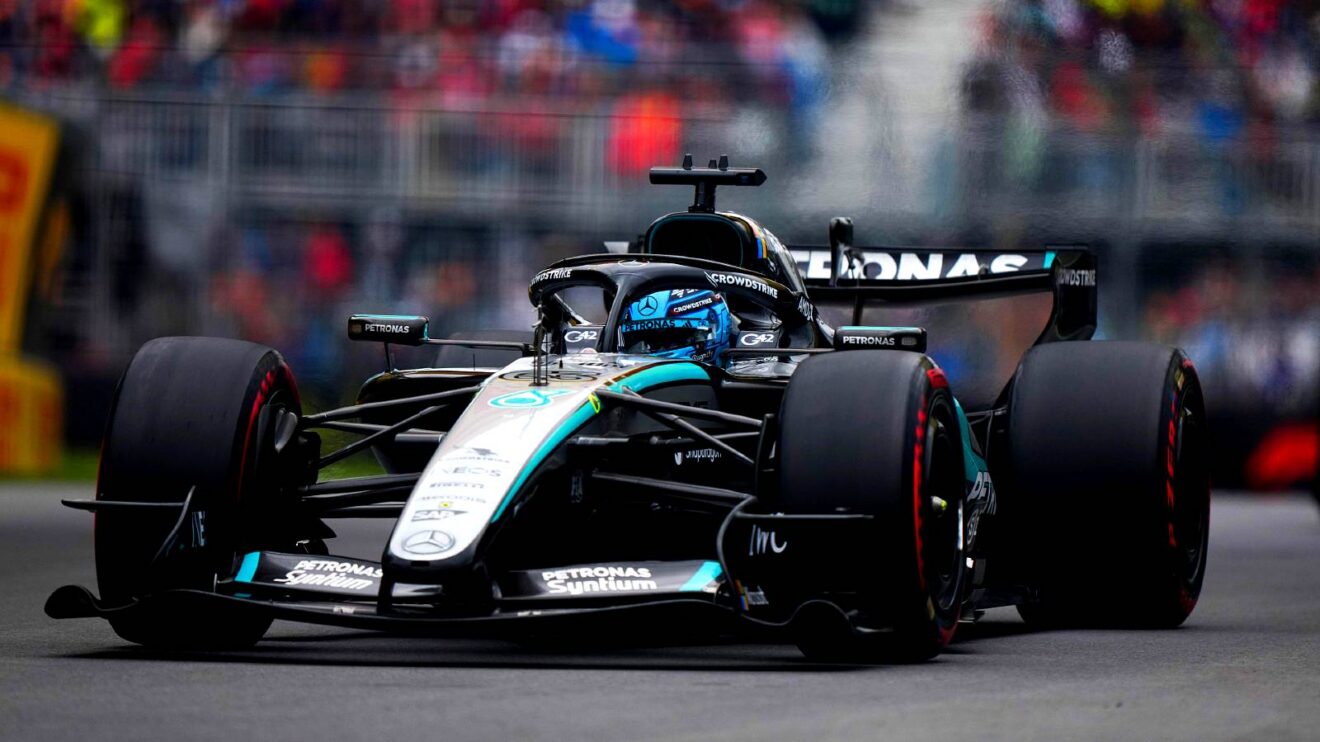
This withdrawal removes one noisy bidder but does little to fix the deeper problem. Today's cars pile on downforce layers like storm clouds stacking over a circuit, generating massive grip through wings and diffusers rather than through tires biting into asphalt. The 1990s Williams FW14B proved that active suspension and mechanical simplicity could deliver poise without drowning the driver in electronic crutches. Current designs have inverted that lesson, turning every lap into a battle against turbulent air instead of a conversation between driver and chassis.
- Key mismatch: Renault retains veto power until September 2026, which could still block any Horner-linked deal.
- McLaren angle: Zak Brown had already flagged common ownership risks, and Mercedes exit calms that particular regulatory storm.
- Horner alternative: Discussions with BYD about a potential twelfth team show he is exploring multiple paths back into the paddock.
Horner Bid Meets The Active Aero Horizon
Horner enjoys a reported connection with Flavio Briatore, and his talk of unfinished business carries emotional weight. Yet any new ownership structure must confront the coming shift. Within five years, by 2028, F1 will move toward AI controlled active aerodynamics that replace the crude DRS overtaking tool with fluid, real time surface adjustments. Races will grow more chaotic in traffic while becoming far less dependent on individual driver heroics.
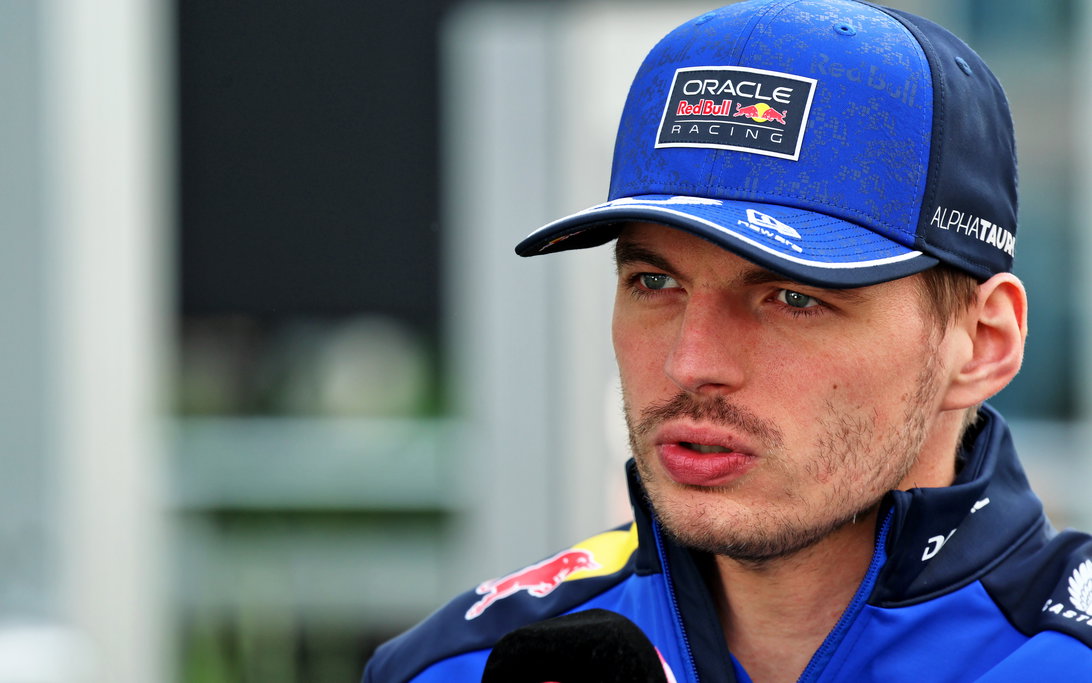
Red Bull's recent dominance illustrates the point sharply. Verstappen's results owe more to an exceptionally tuned chassis and aerodynamic package than to any unique skill edge, particularly during the 2023 campaign when the car simply generated superior downforce across varying conditions. Mechanical tire management and raw grip remain undervalued in this environment. Teams obsess over marginal gains in airflow while the fundamental connection between driver input and car response erodes.
The real ownership question is not who signs the checks but who prepares for a future where algorithms manage the storm rather than drivers fighting it.
Horner's consortium may gain clearer runway now that Mercedes has stepped aside. Still, the French manufacturer's approval rights create a hard stop that no amount of personal relationships can easily bypass before late 2026. After that date Otro Capital gains more freedom, yet the sport itself will already be tilting toward systems that reduce the value of traditional team hierarchies.
The Path Ahead Beyond Ownership Theater
The Alpine situation underscores a broader truth. Ownership battles distract from engineering fundamentals that actually decide races. As active aerodynamics evolve under AI oversight, the premium on mechanical simplicity will rise again. Teams that cling to layered wing complexity will find themselves fighting yesterday's storms while newer approaches reward drivers who can still feel the tires.
Horner may yet secure a stake and return as an owner. The regulatory window and Renault's stance remain the immediate variables to watch. Beyond those details lies a more decisive transition, one that will render much of today's aero obsession obsolete and restore value to the mechanical honesty that made cars like the FW14B timeless.
Don't miss the next lap
Get the deep dives and technical analysis from the world of F1 delivered to your inbox twice a week.
Zero spam. Only high-octane analysis. Unsubscribe anytime.
Join the inner circle
Get the deep dives and technical analysis from the world of F1 delivered to your inbox twice a week.
Zero spam. Only high-octane analysis. Unsubscribe anytime.