Mercedes faces F1 engine scrutiny as rivals push for rule clarification
Rival F1 teams are pushing the FIA to alter engine compression ratio tests, targeting Mercedes' power unit which they claim gains an on-track advantage. Toto Wolff admits his team is vulnerable to a collective rule change but warns of chaotic consequences, setting up a pivotal governance decision before the season starts.
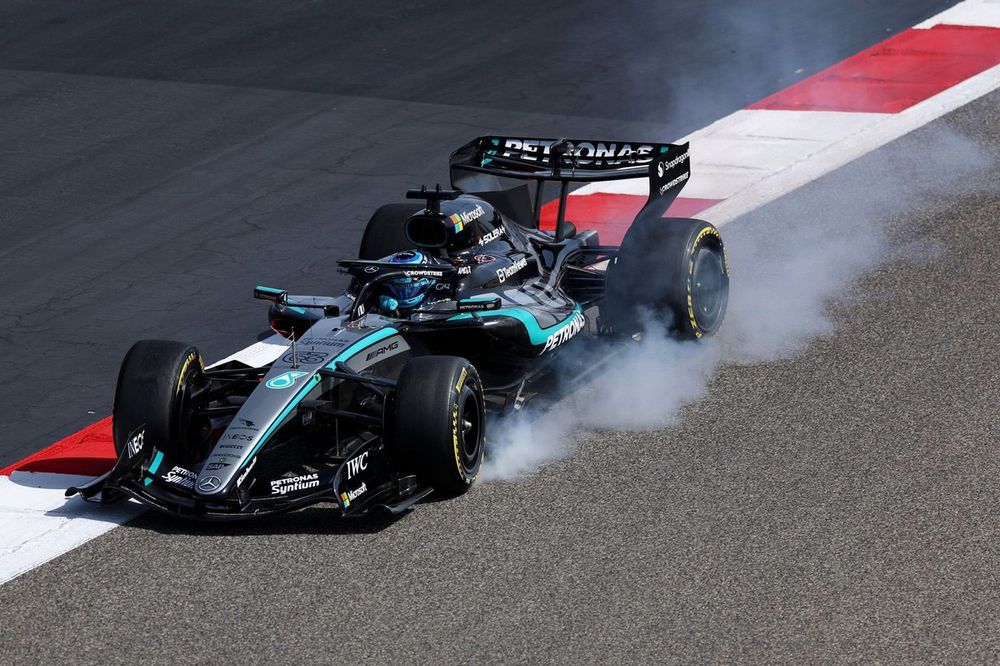
Mercedes is under pressure from rival Formula 1 teams and engine manufacturers who are lobbying the FIA to clarify or change the rules regarding engine compression ratio checks. While Mercedes insists its power unit is fully legal under current static test procedures, competitors argue it achieves a higher, potentially advantageous ratio under actual track conditions. Team Principal Toto Wolff acknowledges the political campaign against his team and warns of "immense and unquantifiable" consequences if mid-season rule changes are enacted.
Why it matters:
This dispute strikes at the core of F1's technical governance and the balance between engineering innovation and regulatory fairness. A rule clarification or change could directly impact the competitive order at the start of a new season, especially for the four teams using Mercedes power. Furthermore, it sets a precedent for how the FIA handles perceived loopholes and manages the political pressure from manufacturers, which is crucial for stability under the current engine freeze and development token system.
The details:
- The controversy centers on the F1 power unit's compression ratio, which is regulated to a maximum of 16:1. Rivals claim Mercedes engines comply during official static tests at ambient temperature but operate at a higher ratio on track, yielding a small but contested performance advantage.
- Toto Wolff's public stance has shifted from defiant to concerned. Previously telling rivals to "get their shit together," he now admits Mercedes would be "screwed" if the FIA, FOM, and other manufacturers unite on a rule change, highlighting the intense behind-the-scenes lobbying.
- Governance Hurdle: Any intervention requires a supermajority vote from the Power Unit Advisory Committee (PUAC), needing four of the five engine manufacturers plus the FIA and Formula One Management (FOM).
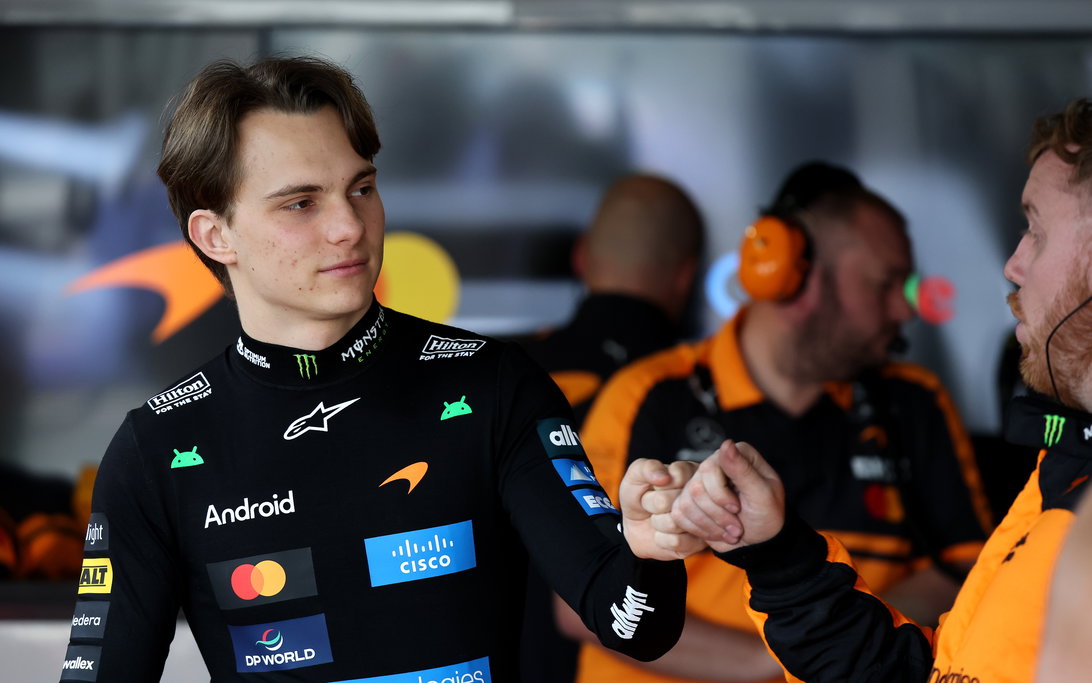
- Tight Timeline: With engine homologation set for March 1st, any mandated design change would leave Mercedes-powered teams (Mercedes, McLaren, Aston Martin, Williams) with extremely limited time for modifications, potentially jeopardizing their readiness for the early races.
- Wolff downplays the performance gain, calling it "just a few horsepower" and negligible over a race distance. He argues the real issue is the precedent of changing measurement methods mid-cycle and the unpredictable impact on the Automatic Performance Unit Development (APDU) balancing system later in the season.
What's next:
The ball is in the FIA's court to decide if and how to address the rivals' complaints. A decision is needed urgently before the homologation deadline. Wolff has ruled out legal action, stating the team would accept a governance decision even if detrimental, but the outcome will test the resilience of F1's technical regulations under political pressure. The situation adds an extra layer of intrigue to pre-season testing, as all eyes will be on the relative performance of the Mercedes-powered cars.
Don't miss the next lap
Get the deep dives and technical analysis from the world of F1 delivered to your inbox twice a week.
Zero spam. Only high-octane analysis. Unsubscribe anytime.
Join the inner circle
Get the deep dives and technical analysis from the world of F1 delivered to your inbox twice a week.
Zero spam. Only high-octane analysis. Unsubscribe anytime.