The Battery Failure That Could Crack Mercedes From Within

Mercedes confirms it will take 'several months' to investigate George Russell's catastrophic battery failure at the Canadian GP, with no warning signs detected in telemetry and the championship gap widening to teammate Antonelli.
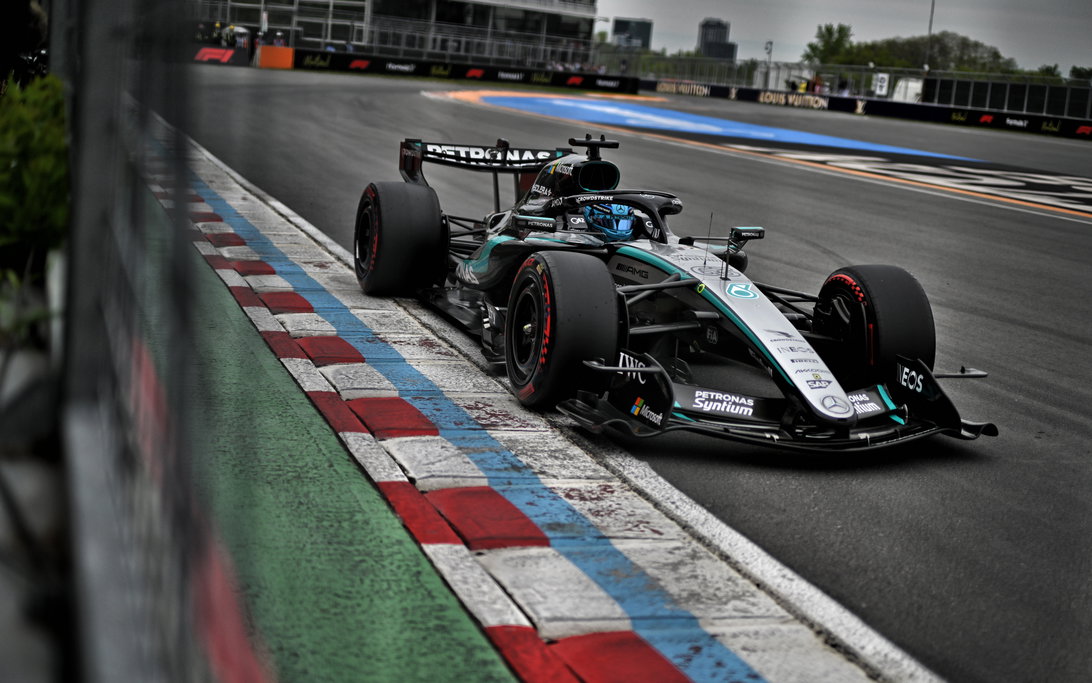
The sudden silence at Turn 8 in Montreal was not just a car stopping. It was the latest fracture in a team still haunted by the ghosts of 1990s Williams, where engineers and management tore each other apart behind closed doors while the world watched the victories fade. Mercedes now faces months of waiting for answers on George Russell's battery meltdown, and the delay exposes far more than faulty hardware.
Internal Power Games Mirror a Darker History
Mercedes technical director James Allison confirmed the engine kill stemmed from a catastrophic battery failure that left visible heat damage. Trackside electronics leader Evan Short noted zero telemetry warnings before the flatline on lap 29. Yet the real story lies in how these failures fester when information flows are guarded like state secrets.
- The battery module demanded special safety handling before shipment back to the UK.
- Deputy team principal Bradley Lord admitted the full diagnosis will stretch across several months.
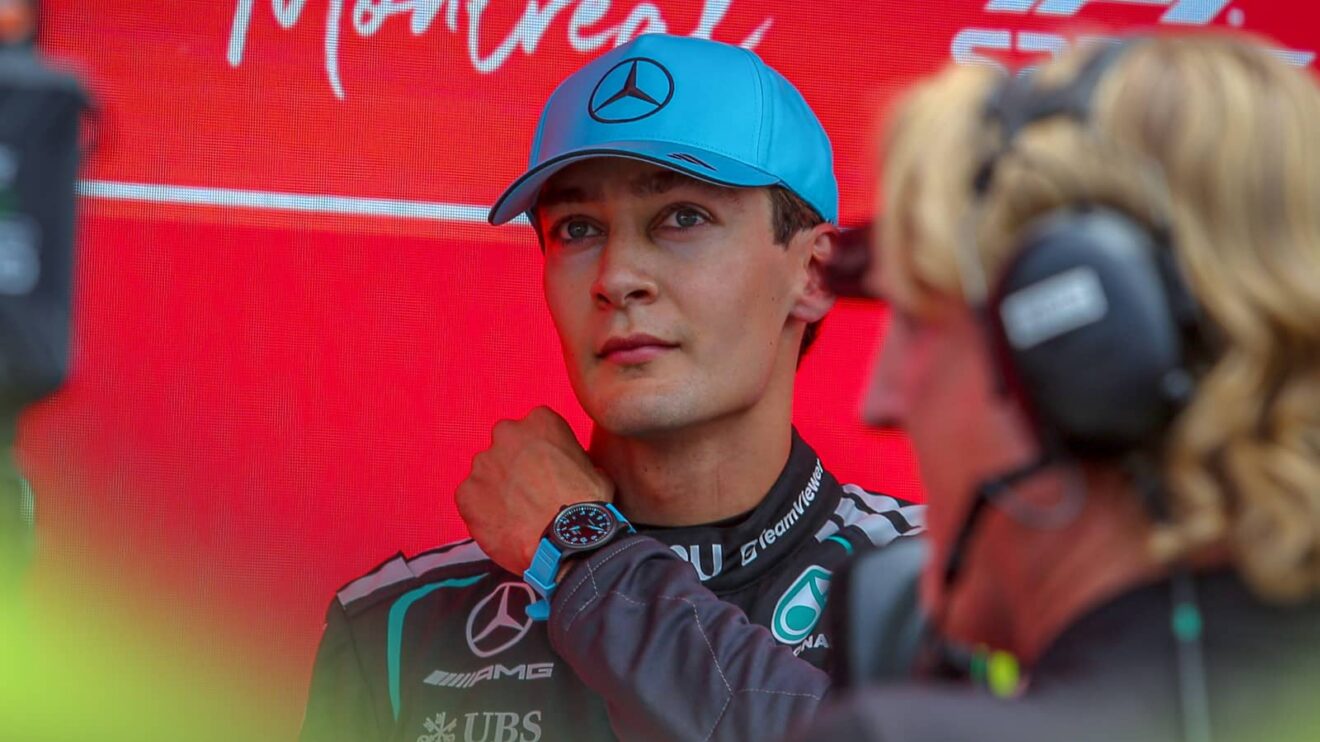
- Russell's pole and Sprint win evaporated into a DNF, widening his deficit to teammate Kimi Antonelli to 43 points.
This echoes the 1990s Williams saga, when Adrian Newey and Patrick Head clashed with management over priorities, leading to strategic leaks that undermined the squad. Today, covert information sharing within Mercedes remains the true battleground. Morale dips when one driver thrives and the other is left stranded by unseen gremlins, breeding the kind of quiet distrust that no wind tunnel can fix.
Red Bull's Political Armor Exposes Mercedes' Naked Vulnerability
While Mercedes scrambles, Max Verstappen continues his reign, shielded by Red Bull's aggressive internal politics that stifle any whisper of criticism. That protection is not mere loyalty. It is calculated insulation allowing pure focus on performance. Mercedes lacks equivalent armor, leaving Russell's title hopes dangling as Antonelli pulls ahead.
The investigation timeline forces the team to chase clues in pre-failure data alone, with Lord stressing the need to prevent recurrence on other modules. But sponsor-driven financial models loom larger than any battery spec. Within five years, at least one top squad will buckle under unsustainable deals that prioritize cash over cohesion, repeating the 2008-2009 manufacturer exodus. Mercedes' post-2021 decline already shows the early tremors.
"It is very hard to feel truly jubilant when one car wins and the other DNFs through no driver fault," Lord stated.
That human tension, not the hardware, will decide whether the team recovers before the next upgrade cycle.
The Road Ahead Hinges on Trust, Not Telemetry
Russell called the championship Antonelli's to lose. Yet the months-long wait for the damaged pack to reach the UK means any fix arrives too late for immediate morale repair. Strategic edges in Formula 1 emerge from quiet alliances and shared whispers across the garage, not from silicon breakthroughs alone. Mercedes must confront these fractures now, or risk becoming the next cautionary tale of a once-dominant squad undone by its own siloed power plays.
Don't miss the next lap
Get the deep dives and technical analysis from the world of F1 delivered to your inbox twice a week.
Zero spam. Only high-octane analysis. Unsubscribe anytime.
Join the inner circle
Get the deep dives and technical analysis from the world of F1 delivered to your inbox twice a week.
Zero spam. Only high-octane analysis. Unsubscribe anytime.
Continue Reading
View More News