Mercedes rivals push for 2026 engine rule change ahead of Australian GP
A fierce debate over a technical loophole in F1's 2026 engine rules is escalating, with rival teams pushing for a change before the Australian GP. Mercedes' Toto Wolff has bluntly dismissed the concerns, setting the stage for a political and technical showdown that could shape the next era of competition.
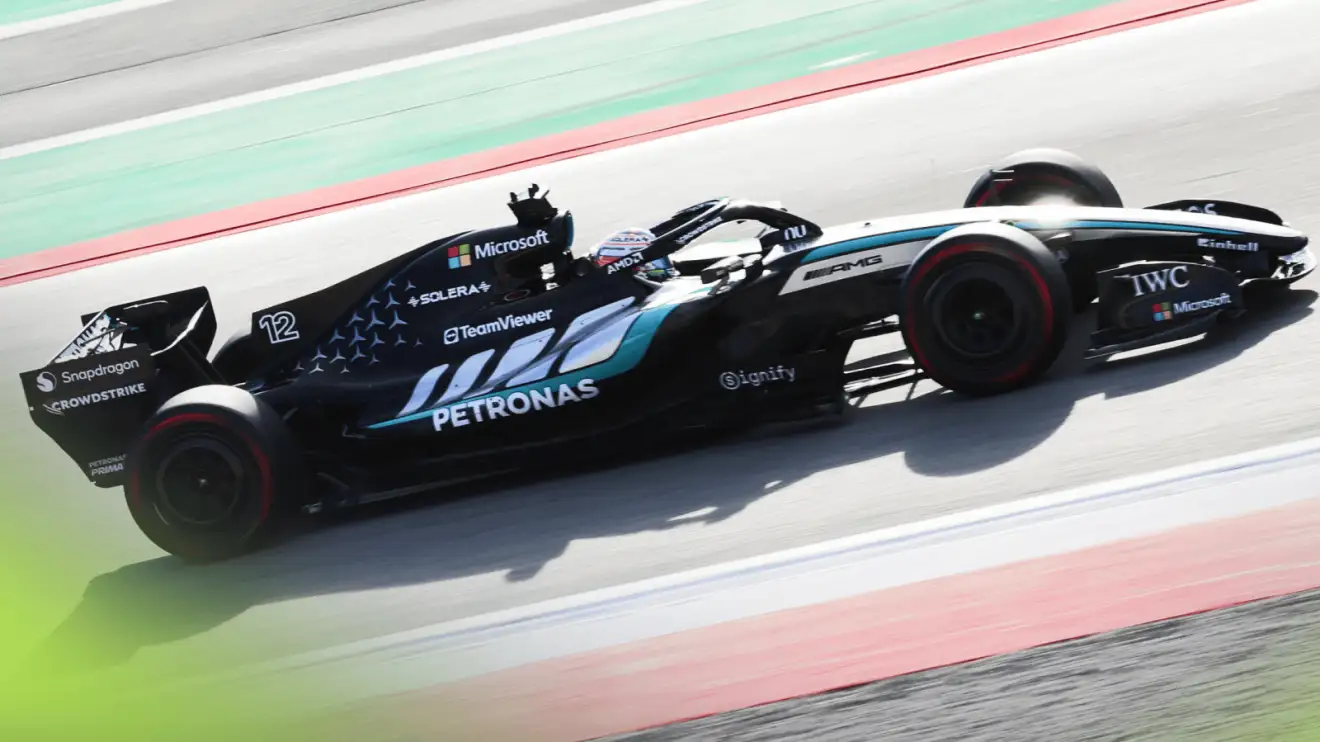
Mercedes team principal Toto Wolff has issued a fiery retort to rival teams pushing to close a perceived engine regulation loophole for 2026, telling them to "get your s**t together" and stop looking for excuses before the season has even begun. The controversy centers on how engine compression ratios are measured under the new rules, with competitors fearing Mercedes and Red Bull Powertrains may gain a significant advantage.
Why it matters:
The technical dispute strikes at the heart of competitive fairness for F1's next major regulatory era. With the 2026 power unit formula representing a massive reset, teams and manufacturers are intensely scrutinizing every potential edge. How this loophole is resolved—or not—could set an early performance hierarchy, impacting development budgets and championship ambitions before a single car hits the track.
The details:
- The 2026 regulations cap the engine compression ratio at 16.0, down from 18.0. The alleged loophole involves measuring the ratio when the engine is cold, not at full operating temperature, potentially allowing it to run higher when hot for a performance boost.
- Rival manufacturers, led by Ferrari, Honda, and Audi, are pushing for a rules clarification or change before the season-opening Australian Grand Prix. They want compression ratios measured when the engine is hot, either via on-track sensors or garage measurements.
- Governance Hurdle: Any rule change requires support from four of the five engine manufacturers (Ferrari, Mercedes, Honda, Audi, Red Bull Ford), plus the FIA and FOM. Reports suggest Red Bull's support may be wavering, which is crucial to forming a majority against Mercedes.
- Wolff's Defense: The Mercedes boss insists his team's work is "very clear and transparent" and fully legal, criticizing rivals for holding "secret meetings" and creating distractions instead of focusing on their own development.
- Red Bull's Stance: Red Bull Powertrains chief Ben Hodgkinson has downplayed the issue, calling it "a lot of noise about nothing" and expressing confidence that all manufacturers will ultimately comply with the 16.0 limit.
What's next:
The FIA's Power Unit Advisory Committee (PUAC) is the battleground, with meetings already held in late January and early February. The clock is ticking for rivals to formalize a proposal and secure the necessary votes before cars roll out in Melbourne. If they fail, Mercedes and Red Bull could head into the 2026 season with a contested but legal technical advantage, setting the stage for a politically charged and technically intense opening chapter to the new regulations.
Don't miss the next lap
Get the deep dives and technical analysis from the world of F1 delivered to your inbox twice a week.
Zero spam. Only high-octane analysis. Unsubscribe anytime.
Join the inner circle
Get the deep dives and technical analysis from the world of F1 delivered to your inbox twice a week.
Zero spam. Only high-octane analysis. Unsubscribe anytime.