Mercedes' testing engine strategy revealed, with customer upgrades coming for Australian GP
Mercedes used different engine specs for its factory and customer teams during pre-season testing, giving its own team the latest development unit while providing partners with a reliable version to ensure smooth running. All teams will be upgraded to the same specification for the season-opening Australian Grand Prix, a move dictated by F1's strict parity rules and strategic preparation for the new regulations.
Mercedes employed a split-engine strategy during pre-season testing, running its latest development power unit exclusively in its factory car while supplying customer teams with a more proven, reliable specification. This tactical move allowed the manufacturer to push development boundaries internally while ensuring its partners—McLaren, Williams, and Alpine—could complete their crucial test programs without hiccups. All four teams are set to be on the same, upgraded engine specification starting from the season-opening Australian Grand Prix in Melbourne.
Why it matters:
In a major regulation change year, every lap of testing is critical for data collection and car understanding. Mercedes' strategy balanced aggressive development with operational security, preventing potential reliability issues from derailing its customers' preparation. This approach highlights the complex logistics and strategic considerations involved in being Formula 1's largest power unit supplier, especially under the pressure of a homologation deadline.
The details:
- During pre-season testing in Bahrain, the Mercedes works team ran a newer, developmental version of its M17 E Performance power unit in the W15.
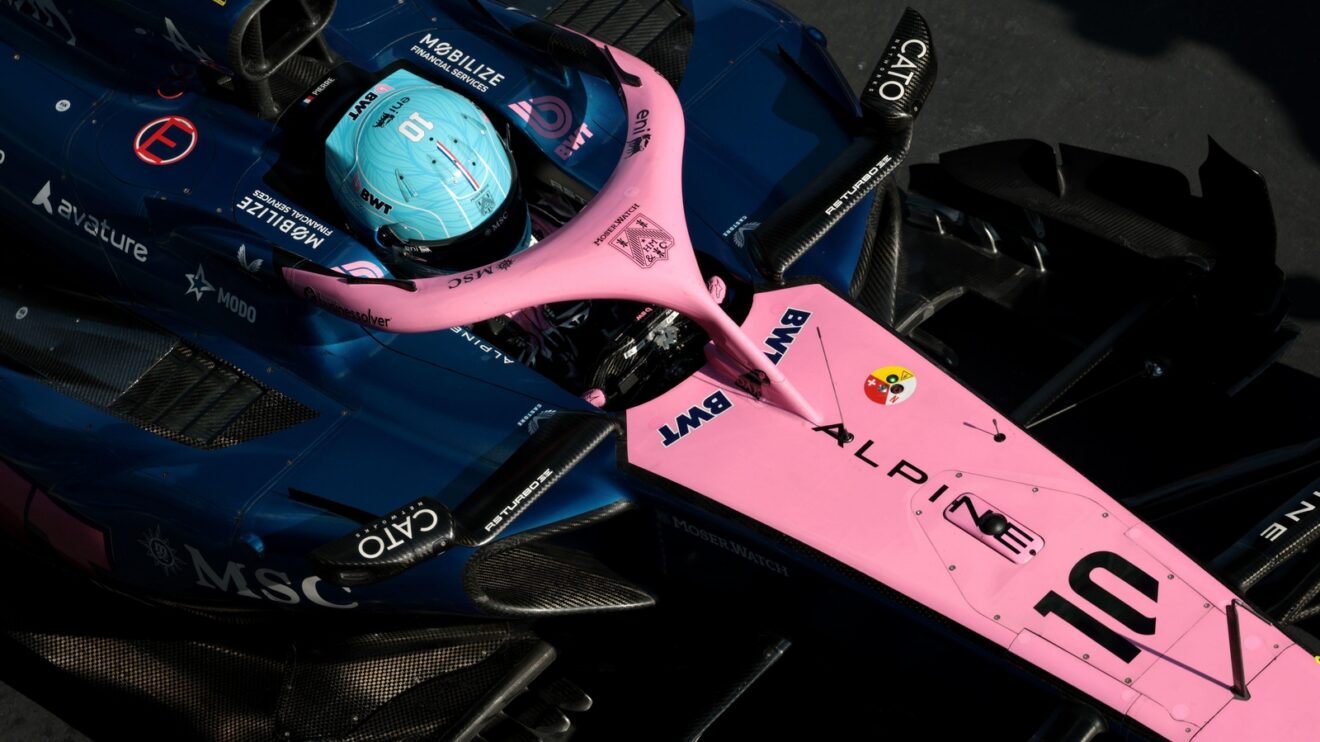
- Customer teams McLaren, Williams, and Alpine received a different, more reliable specification to guarantee trouble-free running and complete their test programs.
- The differences between the specifications are believed to have been minimal, but the strategy was logistically simpler than manufacturing the latest parts for all four teams simultaneously.
- Formula 1's technical regulations mandate strict parity. Appendix 4 states an engine manufacturer must submit one homologation file for all teams it supplies.
- The only permitted differences between teams are fuel and engine oil specifications, and wiring. Software settings must be identical to ensure customer teams are not locked out of higher performance modes.
What's next:
The convergence in Melbourne is the key takeaway. All Mercedes-powered cars will hit the track with the same specification, delivering a performance boost to the customer teams as the real championship battle begins.
- McLaren Team Principal Andrea Stella hinted at the strategy, praising the reliability of their test unit and emphasizing that having the "right specification for race one" was the critical objective.
- This successful test phase, free from major reliability dramas for any Mercedes-powered team, sets a solid foundation for the opening rounds as the manufacturer seeks to reclaim its competitive position at the front of the grid.
Don't miss the next lap
Get the deep dives and technical analysis from the world of F1 delivered to your inbox twice a week.
Zero spam. Only high-octane analysis. Unsubscribe anytime.
Join the inner circle
Get the deep dives and technical analysis from the world of F1 delivered to your inbox twice a week.
Zero spam. Only high-octane analysis. Unsubscribe anytime.