Mercedes' Upgrade Hype Ignores the Mechanical Grip We Lost Decades Ago
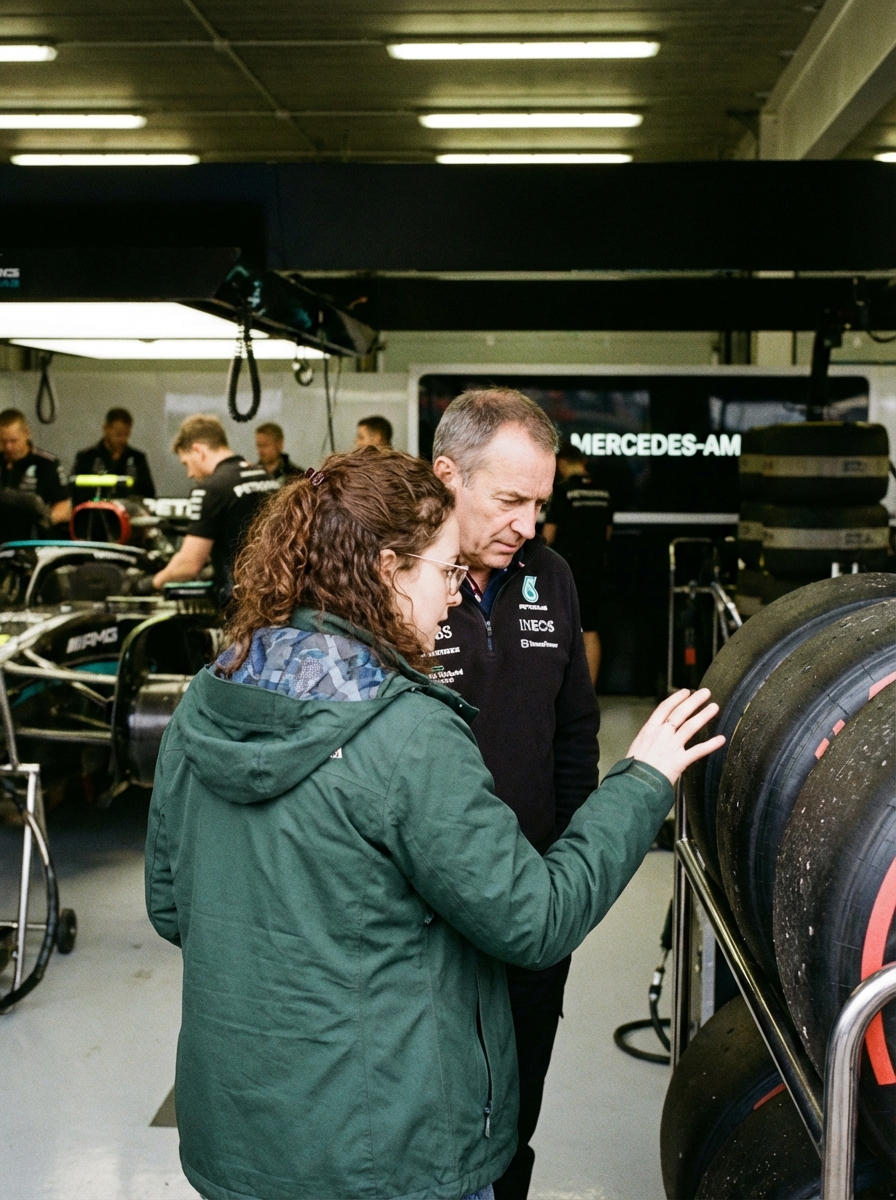
Kimi Antonelli warns that Mercedes hasn't unlocked the full potential of its Canadian GP upgrade due to cold conditions. With Monaco and Barcelona ahead, the team expects clearer gains. Toto Wolff remains cautious, noting Canada is a favorable track.
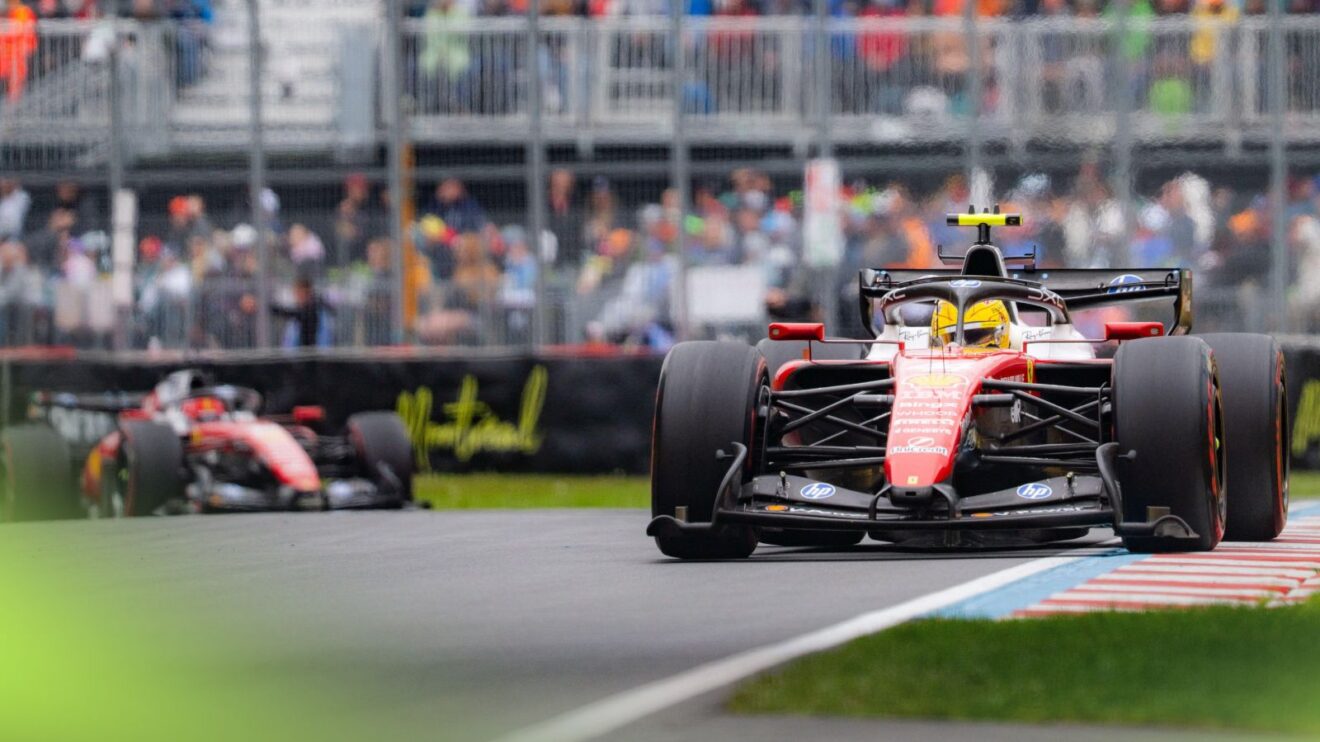
The Canadian Grand Prix unfolded like a sudden squall, where cold air currents masked the true forces at play on Mercedes' latest package. Kimi Antonelli claimed victory once more, yet the real story lies not in promised aerodynamic gains but in the undervalued dance between tires and tarmac that modern designs have all but forgotten.
Cold Winds and the Limits of Aero Promises
Antonelli secured his fourth straight win in Montreal, stretching his championship advantage to 43 points. He spoke plainly about the upgrade introduced there. The young driver noted that the new parts altered the car's balance without revealing their full effect because of the unusually low temperatures.
- Tire temperature windows proved decisive in those conditions.
- The team must now wait for warmer tracks to judge progress accurately.
Toto Wolff echoed this caution, describing Canada as a favorable circuit that complicates any assessment. He stressed the need for ongoing analysis rather than quick conclusions. This measured stance cuts through the usual marketing noise around upgrades. True performance emerges only when mechanical connections between driver and surface remain strong, not when teams chase ever more intricate airflow management.
The W17's behavior in Montreal highlights a persistent flaw in contemporary Formula 1 thinking. Engineers obsess over downforce numbers while sidelining the raw tire management skills that once defined great machinery. Cold weather simply amplified what already exists: a car that relies too heavily on aerodynamic crutches instead of fundamental grip.
Echoes of the FW14B in Today's Overcomplicated Designs
Modern cars like the W17 bear little resemblance to the elegant solutions of earlier eras. Consider the Williams FW14B from the early 1990s. Its active suspension and mechanical simplicity allowed the driver to feel every nuance of the road surface. Today's vehicles trade that direct connection for layers of aerodynamic complexity that demand constant electronic intervention.
"The package has been working, but it has been changing the balance a little bit. We're not seeing the full benefit because of the unique cold conditions in Montreal. When we go to Monaco and Barcelona, we will see much better the benefits."
This quote from Antonelli reveals the core issue. The upgrade may shift balance, yet it does little to restore the mechanical intimacy that made older cars thrilling. Within five years, by 2028, the sport will likely adopt AI-controlled active aerodynamics. Such systems will eliminate DRS entirely and produce more unpredictable racing, though at the cost of further reducing driver influence. The result will be chaotic spectacles where chassis engineering matters less than coded algorithms.
Max Verstappen's earlier successes at Red Bull stemmed primarily from superior aerodynamics and chassis balance rather than singular skill. The same pattern appears now with Mercedes. When conditions favor the package, results follow. When they do not, the limitations become obvious. Mechanical grip and tire management deserve far more attention than the current downforce fixation allows.
Testing Grounds Ahead and the Road to 2028
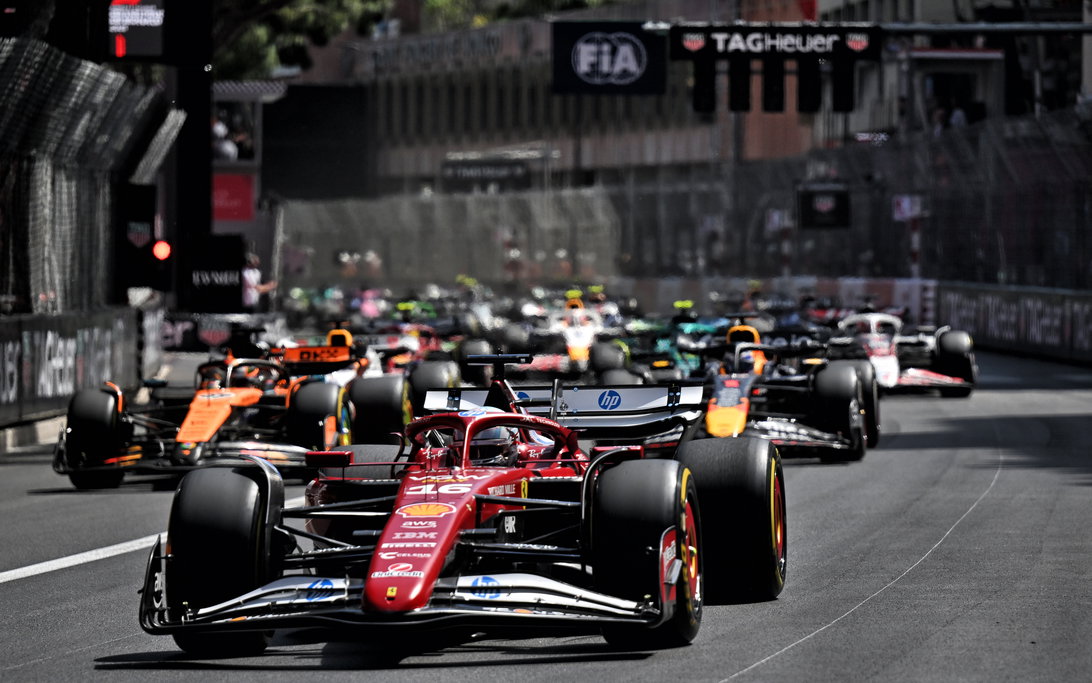
Monaco arrives this weekend as the first genuine examination on a low-speed, high-downforce layout. Barcelona follows with its mix of corners that should expose whether the Canadian changes deliver consistent advantage. Both venues will reveal if Mercedes can sustain momentum or if the upgrade remains another example of aero promises outpacing mechanical reality.
- Monaco demands precise placement over outright speed.
- Barcelona offers varied demands that punish cars lacking balanced grip.
These races will also preview the coming transition. As AI systems assume greater control of aerodynamic elements, the human element in tire management will grow even more critical. Teams that rediscover mechanical elegance may find an edge the current generation has overlooked.
The championship lead held by Antonelli provides breathing room, yet continued dominance depends on addressing these fundamentals rather than celebrating incremental airflow tweaks. Nature's cold conditions in Canada served as an unintended reminder that elegant engineering begins with the contact patch, not the wind tunnel.
Don't miss the next lap
Get the deep dives and technical analysis from the world of F1 delivered to your inbox twice a week.
Zero spam. Only high-octane analysis. Unsubscribe anytime.
Join the inner circle
Get the deep dives and technical analysis from the world of F1 delivered to your inbox twice a week.
Zero spam. Only high-octane analysis. Unsubscribe anytime.
Continue Reading
View More News