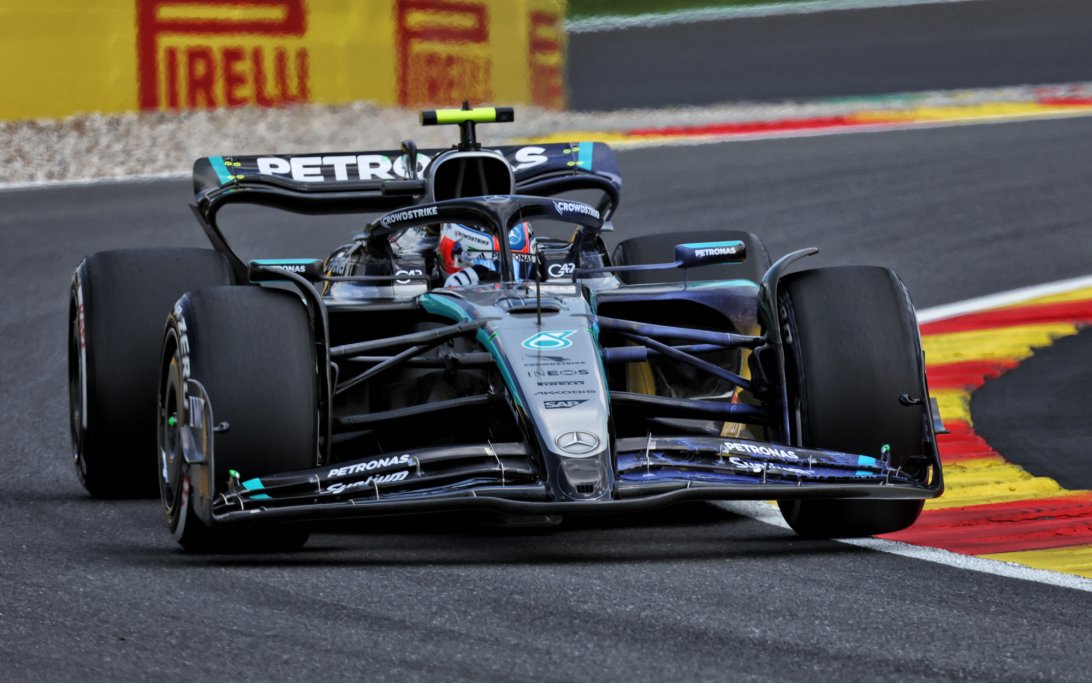
Mercedes Warns Rivals of 'F1 Trap' with New 2026 Regulations
Mercedes has issued a stern warning to rival F1 teams about the 'traps' within the upcoming 2026 technical regulations. Having faltered with the 2022 ground-effect rules, the team is confident they've learned from past mistakes and are better prepared, signaling their intent to avoid another misstep and challenge for the top in the sport's next major era. Trackside Engineering Director Andrew Shovlin highlighted the significant changes to chassis and power unit rules, emphasizing Mercedes' enhanced tools and understanding to navigate the complex transition.
Mercedes has issued a strong warning to rival F1 teams regarding the 'traps' inherent in the sport's forthcoming technical regulations for 2026. The Brackley-based squad, which famously stumbled with the 2022 ground-effect rules, is adamant it won't be caught off guard again, signaling its intent to be a frontrunner in the next era of Formula 1.
Why it matters:
After a dominant hybrid era, Mercedes faced significant challenges with the 2022 regulatory overhaul, effectively ending their run of constructor championships. Their experience highlights the immense impact of regulation changes, making their current warning to rivals a clear statement of their own intensified focus on getting the 2026 rules right. A successful adaptation will be critical for Mercedes to reclaim its position at the sharp end of the grid.
The details:
- The 2026 season will introduce the most substantial changes to grand prix car architecture in F1 history, encompassing both chassis and power unit regulations.
- Mercedes' Trackside Engineering Director, Andrew Shovlin, emphasized that while 'traps' are inevitable, the team is better equipped to handle new challenges.
- Learning from 2022: Shovlin referenced the team's struggles with ground-effect designs in 2022, which saw them fall from perennial champions to a team battling for second in the constructors'. They aim to avoid a repeat.
- Regulatory Shift: The new regulations are designed to move closer to previous car generations, potentially reducing issues like porpoising that plagued the early days of the current era.
- Advanced Tools: Mercedes has significantly developed its understanding and tools for aerodynamics since 2022, which Shovlin believes will put them in a stronger position to address any unforeseen problems.
- On-Track Validation: Despite extensive simulator work, Shovlin stressed that the true behavior of the new cars will only be fully understood once they hit the track, underscoring the inherent uncertainty of major rule changes.
What's next:
Mercedes is currently in its final year under the current regulatory cycle, on track to secure second place in the constructors' standings for the second consecutive season. Their defiant message suggests a focused and determined approach to the 2026 regulations, aiming to avoid past mistakes and emerge as a title contender once again. The coming months will see increasing development focus on Project W17, their 2026 challenger, as they strive to interpret the rules most effectively.