Middle East Crisis Disrupts Global Motorsport Calendar
Geopolitical turmoil in the Middle East is creating a logistical nightmare for global motorsport, leading to event cancellations and soaring costs. SUPER GT has postponed its Malaysian round, F1 canceled races in the region, and the entire industry faces uncertainty over the viability of international calendars amid the crisis.
The escalating Middle East crisis is causing widespread logistical and financial chaos across global motorsport, forcing series like SUPER GT to postpone events and raising serious questions about the viability of international racing calendars. Formula 1 has also canceled races in the region, while teams across the sport grapple with skyrocketing freight costs and operational uncertainty stemming from the geopolitical instability.
Why it matters:
Global motorsport's business model relies heavily on predictable logistics and stable international freight routes. The current crisis exposes the inherent vulnerability of sprawling, multi-continent calendars to geopolitical shocks, threatening the financial sustainability of teams and organizers. This situation forces a difficult conversation about balancing global expansion with operational resilience.
The details:
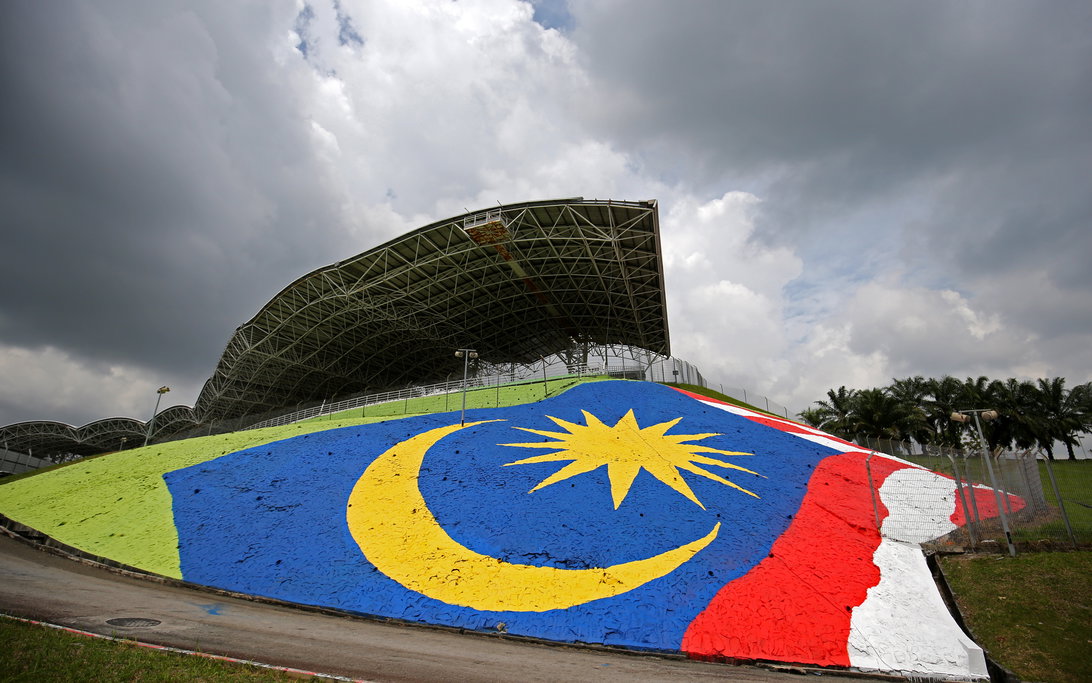
- SUPER GT Postponement: The Japanese series has officially postponed its 300km round at Sepang, Malaysia, scheduled for June. The event promoter cited the "escalating and uncertain situation in the Middle East" leading to "significant operational and logistical challenges" and "substantial increases" in freight and travel costs.
- Government Pressure: The decision followed the withdrawal of backing from the Malaysian government, directly linking the cancellation to the ongoing US-Israel-Iran conflict.
- Calendar Impact: Without a replacement, SUPER GT's 2026 season would be reduced to just seven rounds, its shortest calendar since 2004.
- F1's Direct Hit: The premier category has not been immune, opting to call off its scheduled April races in Saudi Arabia and Bahrain due to the crisis.
- Industry-Wide Ripple Effects: Multiple motorsport series are now reassessing their international operations. The core issues are twofold: crippling increases in transport costs and the sheer difficulty of planning secure logistics amid ongoing conflict.
What's next:
The immediate focus for affected series like SUPER GT is finding replacement venues or dates, though this is complicated by existing calendar congestion. In the longer term, promoters and governing bodies will likely conduct a harsh cost-benefit analysis of races in geopolitically sensitive regions.
- Teams across all championships will face increased operational budgets for the foreseeable future, which could impact competitive balance, favoring larger, wealthier operations.
- This crisis may accelerate a trend towards regionalized event clusters to minimize long-haul freight, potentially reshaping the traditional global tour model of series like F1 and WEC.
- The stability of the 2025 and 2026 calendars for all international series now carries a significant asterisk, dependent on a peaceful resolution in the Middle East.
Don't miss the next lap
Get the deep dives and technical analysis from the world of F1 delivered to your inbox twice a week.
Zero spam. Only high-octane analysis. Unsubscribe anytime.
Join the inner circle
Get the deep dives and technical analysis from the world of F1 delivered to your inbox twice a week.
Zero spam. Only high-octane analysis. Unsubscribe anytime.
Continue Reading
View More News