NASA Banned Astronaut Gordon Cooper from Racing the 1969 Daytona 24 Hours
NASA prevented astronaut Gordon Cooper from racing the 1969 Daytona 24 Hours due to safety risks. This decision cost him a command role and a chance to walk on the moon during the Apollo program.
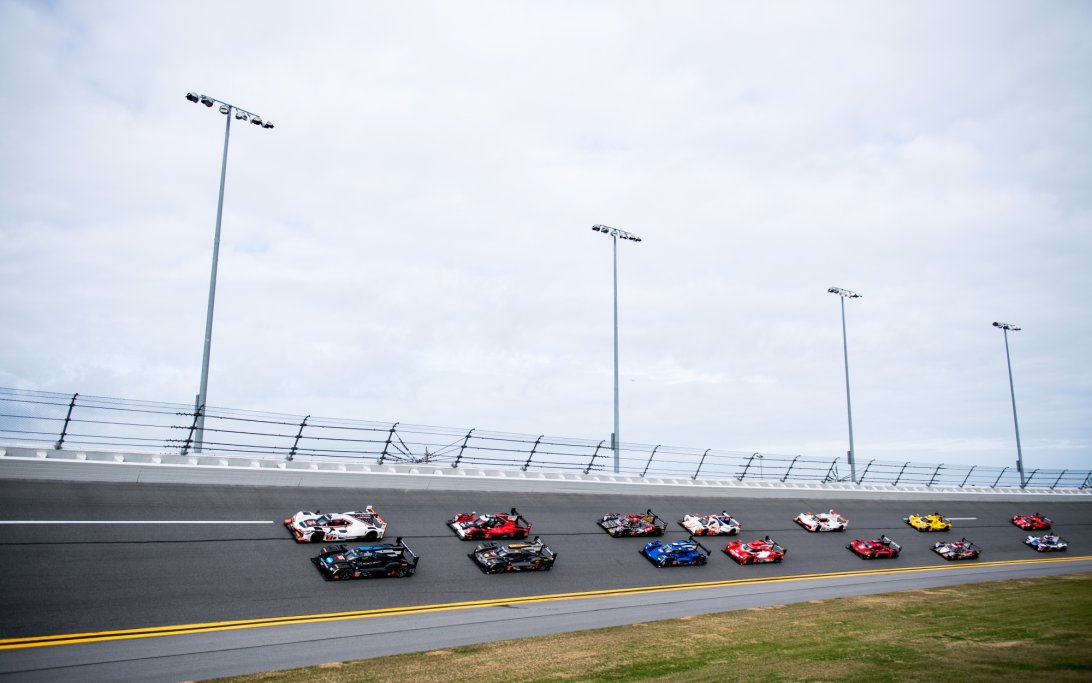
In 1969, as the Space Race reached its climax, NASA astronaut Gordon "Gordo" Cooper aimed to compete in the prestigious Daytona 24 Hours. However, just days before the event, the agency banned him and the Kennedy Space Center's Head of Security from participating. The decision prioritized the safety of the critical Apollo 10 mission over Cooper's passion for motorsport, effectively ending his chances of walking on the Moon.
Why it matters:
This incident underscores the extreme risk management NASA employed during the Apollo era. Cooper was the backup commander for Apollo 10, a full dress rehearsal for the lunar landing. Had the prime crew commander been incapacitated, Cooper would have stepped in. NASA's intervention highlights the tension between personal freedom and national duty, a decision that ultimately cost Cooper a historic place in space history.
The details:
- Racing Roots: Cooper was a seasoned enthusiast who co-founded the Grissom, Cooper, Rathmann (GRC) team. Thanks to a deal with Indy winner Jim Rathmann, astronauts leased Chevrolet Corvettes for $1, often racing them through the dunes near Cape Canaveral.
- The Intervention: Cooper qualified 25th out of 67 cars for the Daytona endurance race. However, with the Apollo 10 launch months away, NASA deemed the risk of injury unacceptable. The agency ordered him to withdraw, fearing a crash could leave the Moon mission without a backup commander.
- "Tiddlywinks": Cooper was furious. He reluctantly followed orders but famously criticized NASA for wanting astronauts to be "tiddlywinks" players rather than risk-takers.
- The Fallout: The episode damaged his standing. Deemed to have a lax attitude toward training, he was removed from command of Apollo 13. He never flew another space mission, watching from the sidelines as the crew he was replaced with fought for survival during the mission's in-flight explosion.
Looking ahead:
Cooper left NASA in 1970, shifting his focus to engineering and design. While he never walked on the lunar surface, his story remains a fascinating footnote in the history of both space exploration and motorsport, illustrating the high stakes of the 1960s race to the stars.
Don't miss the next lap
Get the deep dives and technical analysis from the world of F1 delivered to your inbox twice a week.
Zero spam. Only high-octane analysis. Unsubscribe anytime.
Join the inner circle
Get the deep dives and technical analysis from the world of F1 delivered to your inbox twice a week.
Zero spam. Only high-octane analysis. Unsubscribe anytime.
Continue Reading
View More News