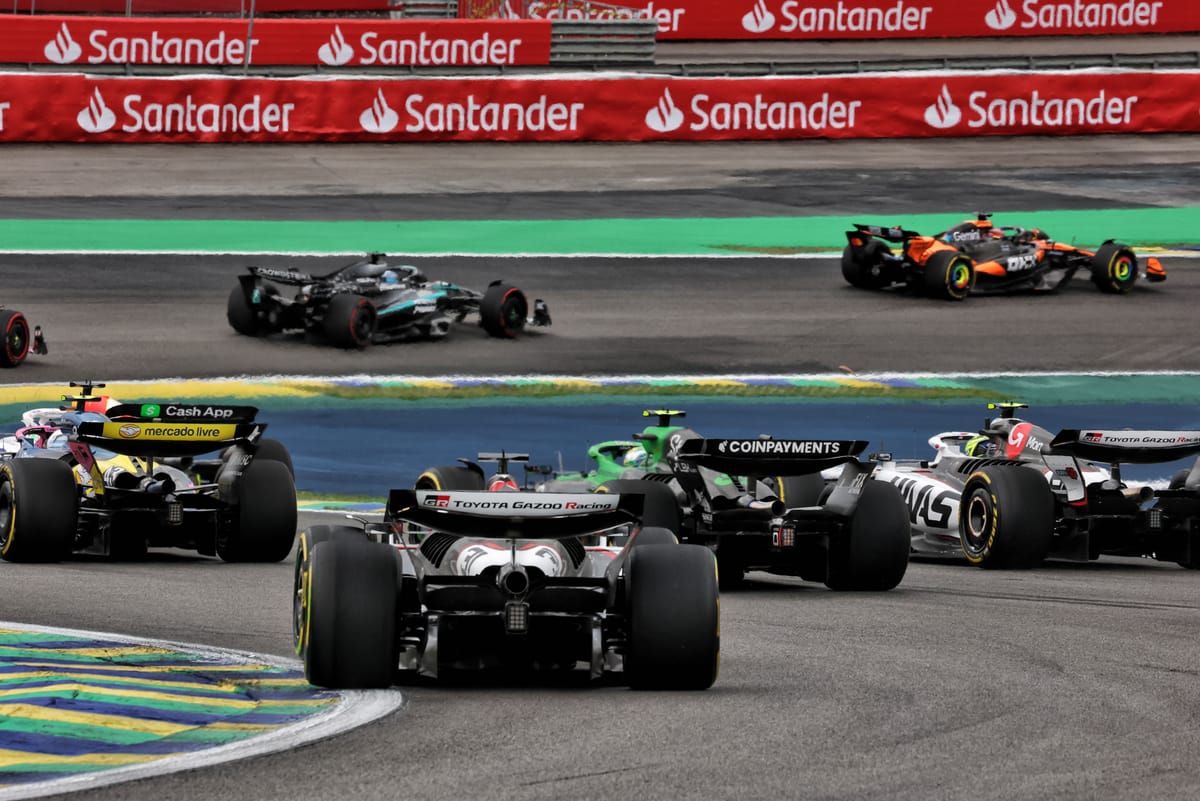
FIA to Mandate 55% Painted Liveries for 2026 F1 Season
The FIA has announced a new rule for the 2026 Formula 1 season, mandating that at least 55% of a car's surface area must be covered by painted or stickered liveries. This measure aims to combat the dull appearance caused by extensive exposed carbon fiber, enhance visual differentiation between cars, and bring more color back to the grid. The decision comes amidst broader discussions on driver numbers, aerodynamic testing restrictions, and potential race format changes.
The FIA is taking action to address the widespread criticism of exposed carbon fiber on Formula 1 cars by introducing new livery rules for the 2026 season. This move aims to bring more color and visual distinction back to the grid.
Why it matters:
F1 liveries have increasingly featured large, unpainted sections of carbon fiber, driven by a relentless pursuit of weight saving. This has led to a duller aesthetic on the grid, drawing significant criticism from fans and stakeholders. The new regulations seek to restore the vibrant visual identity that has historically characterized Formula 1 cars, enhancing the spectacle for viewers and strengthening brand recognition for teams.
The Details:
- New Livery Mandate: An F1 Commission meeting confirmed a new rule for 2026, requiring a minimum of 55% of a car's surface area (when viewed from the side and above) to be covered by painted or stickered liveries. This directly combats the trend of extensive bare carbon fiber.
- Objective: The primary goal is to "increase visual differentiation between cars," ensuring each team's identity is more clearly visible on track.
- Weight Saving Context: While the drive to save weight has largely been responsible for the unpainted areas, the minimum weight of F1 cars will be reduced for the 2026 regulations cycle. This reduction is intended to mitigate the impact of adding paint, which contributes to overall car weight.
- Driver Numbers: A proposal allowing drivers to change their permanent competition numbers during their careers was agreed upon, though specific details on implementation are yet to be clarified.
- Aerodynamic Testing Restrictions (ATR): Discussions are ongoing to update ATR rules, aligning them with modern processing and simulation technologies while maintaining cost efficiency.
- Race Format Discussions: A proposal to mandate two pit stops during Grands Prix was discussed but no immediate changes were agreed. This will be revisited for the 2026 season.
- Driver Cooling Systems: Further discussions are planned regarding potential redesigns and improvements to driver cooling systems.
The Big Picture:
The shift towards mandated painted liveries reflects a broader effort by the FIA to balance technical innovation and cost control with the sport's entertainment value and fan appeal. As F1 enters a new regulatory era in 2026 with significant changes to power units and chassis, these aesthetic adjustments aim to ensure the visual spectacle keeps pace with the technological advancements.
What's next:
The new livery rules will take effect with the sweeping regulation changes in 2026. While teams will undoubtedly find innovative ways to meet the 55% mandate while minimizing weight, the expectation is a more colorful and visually distinct grid. Further details on driver number changes and ATR updates are expected to be announced as the 2026 regulations continue to be refined.