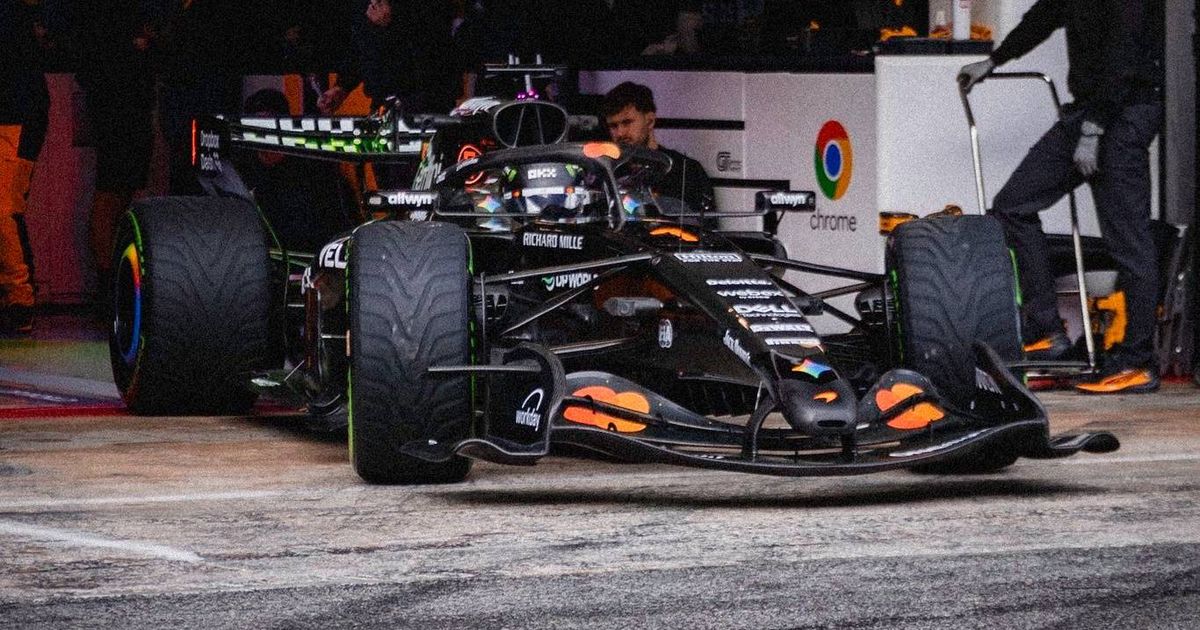
Norris says new F1 qualifying style with battery management will take fan adjustment
Lando Norris explains that F1's new 2026 regulations require drivers to lift off the throttle in qualifying to manage battery energy, a counter-intuitive tactic that changes the essence of a hot lap. He believes this strategic element, while initially strange for fans and drivers, could make races more exciting by creating more variable performance and overtaking opportunities as teams adapt.
McLaren's Lando Norris warns that Formula 1's new qualifying format, where drivers must strategically lift off the throttle to manage battery energy, represents a fundamental shift that may take time for fans to understand and appreciate. The reigning world champion acknowledges the mental challenge for drivers but believes the new approach could ultimately improve the racing spectacle as teams adapt.
Why it matters:
The 2026 technical regulations are forcing a philosophical change in how drivers approach a single lap. Qualifying, traditionally the purest expression of flat-out speed, now incorporates strategic energy management, blurring the lines between Saturday pace and Sunday racecraft. This shift could redefine what constitutes a "perfect lap" and alter fan expectations of driver performance during qualifying sessions.
The details:
- Norris highlighted the psychological adjustment, noting that lifting before starting a timed lap and in corners that were previously flat-out contradicts a driver's instinct developed from karting upwards.
- The Circuit de Barcelona-Catalunya, a recent testing venue, provided immediate examples. Turns 3, 9, and the final corner—previously taken at near-full throttle—now require braking or lifting to preserve electrical energy for the following straight.
- Racing Silver Lining: Norris suggests this change could create more overtaking opportunities. Corners that were once easy flat-out sections become grip-limited again, making tyre performance and car setup more critical and creating larger performance differentials between cars.
- Strategic Depth: The new dynamic introduces fresh variables for race strategy. Teams will need to figure out optimal energy deployment windows, how tyre life interacts with energy management, and how it affects pit stop planning.
What's next:
The adaptation process is now the key focus for teams and drivers. As Norris stated, the spectacle will improve "once people figure things out in a better way." Expect the early races of the 2026 season to be a steep learning curve, with teams rapidly developing best practices for the new qualifying format. Furthermore, Norris hinted that the sport itself may "make adjustments" to these new rules based on initial feedback to ensure they deliver the intended racing improvements for competitors and viewers alike.
Don't miss the next lap
Get the deep dives and technical analysis from the world of F1 delivered to your inbox twice a week.
Zero spam. Only high-octane analysis. Unsubscribe anytime.
Join the inner circle
Get the deep dives and technical analysis from the world of F1 delivered to your inbox twice a week.
Zero spam. Only high-octane analysis. Unsubscribe anytime.
Continue Reading
View More News