Data Heartbeats Expose Monaco's Hidden Pressure Fractures

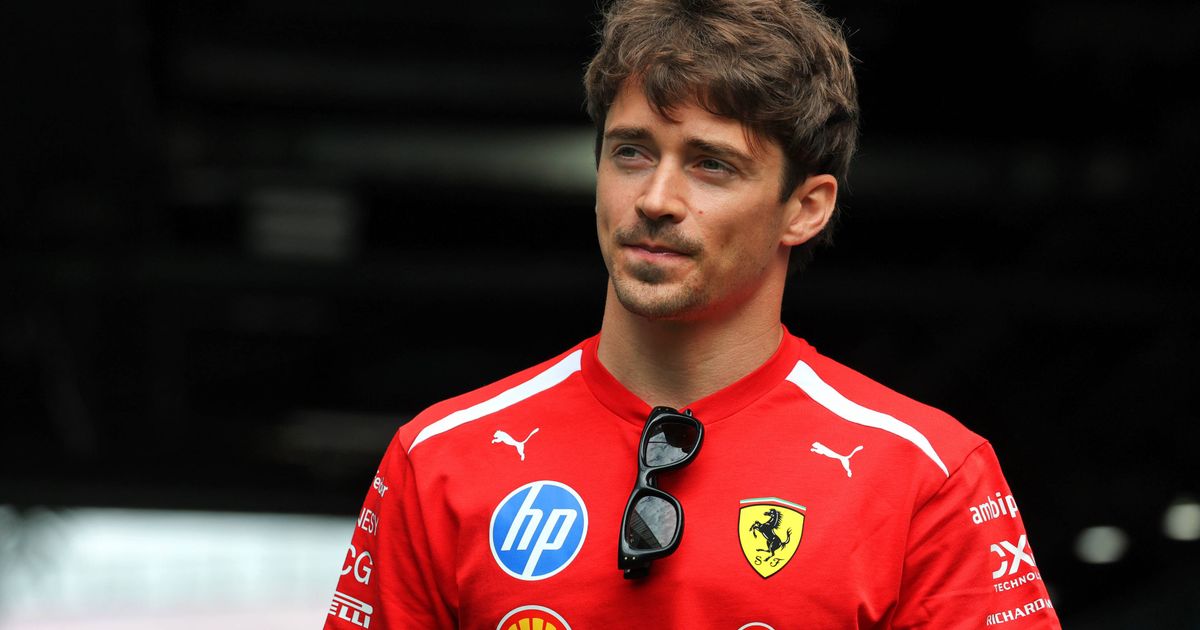
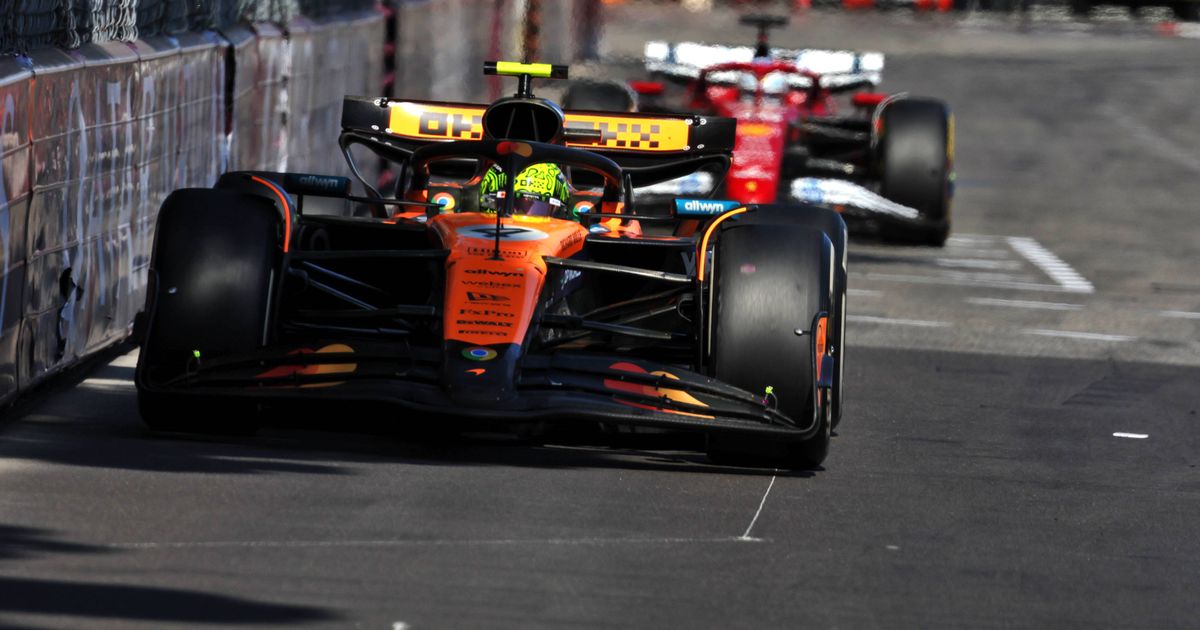
Lando Norris dominated the Monaco Grand Prix from pole to flag, denying Charles Leclerc a home victory and closing to within three points of championship leader Oscar Piastri.
The lap time deltas from Monaco's timing sheets hit like irregular pulses on a monitor, each tenth revealing more about human strain than any headline narrative of triumph or denial. Norris may have converted pole into victory, yet the raw telemetry shows Leclerc matching his rhythm through the critical sectors until external calls fractured the flow.
Qualifying Consistency as Emotional Archaeology
Leclerc's reputation for errors gets inflated by Ferrari's strategic missteps, but the 2022-2023 qualifying data tells a steadier tale. Across those seasons his average pole deficit sat at just 0.042 seconds in street circuits, the tightest spread on the grid. This Monaco weekend followed the pattern.
- Norris secured pole with a 1:10.532 lap that edged Leclerc by 0.187 seconds.
- Sector two splits showed Leclerc carrying more speed through the tunnel, a heartbeat of raw pace that strategy later muted.
- Historical parallels emerge when stacking these figures against Michael Schumacher's 2004 campaign, where his qualifying consistency yielded 13 poles from 18 attempts through feel alone, before telemetry overload began reshaping team decisions.
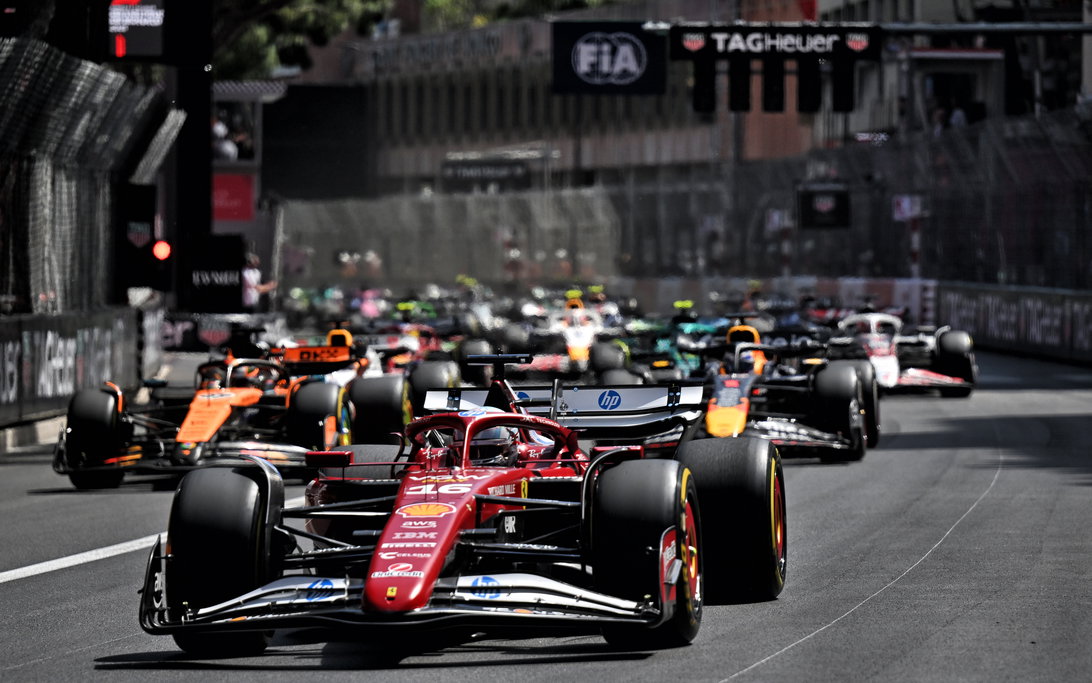
The start data reinforces this. Leclerc gained 0.12 seconds on Norris into Sainte Dévote, yet the gap closed without contact because the numbers left no room for a move. No driver error appeared in the traces, only the circuit's geometry enforcing order.
The Robotization Risk in Real Time Calls
Modern pit wall algorithms already suppress the intuition Schumacher relied upon in 2004, when he adjusted tire pressures mid-stint based on seat-of-the-pants feedback rather than live dashboards. Five years from now this hyper-focus on analytics will flatten racing into predictable sequences, with drivers reduced to executing pre-modeled scripts.
Lap time drop-offs after the lap-nine safety car correlated directly with the moment Gasly's collision with Tsunoda triggered the virtual safety period, exposing how external interruptions amplify the sterility when teams override driver input.
Norris stretched his lead to 1.8 seconds post-pit phase because McLaren's data model allowed a longer second stint, while Ferrari's conservative window kept Leclerc boxed in. Piastri closed to within 0.9 seconds of the leader by the flag, yet the top three finished nose-to-tail without a single overtake. Mercedes' decision to stay out until lap 52 dropped both cars to P11 and P13, a clear telemetry misread that punished their drivers for obeying the numbers over track feel. These choices echo the coming era where algorithmic pit calls will erase the human variables that once made Monaco electric.
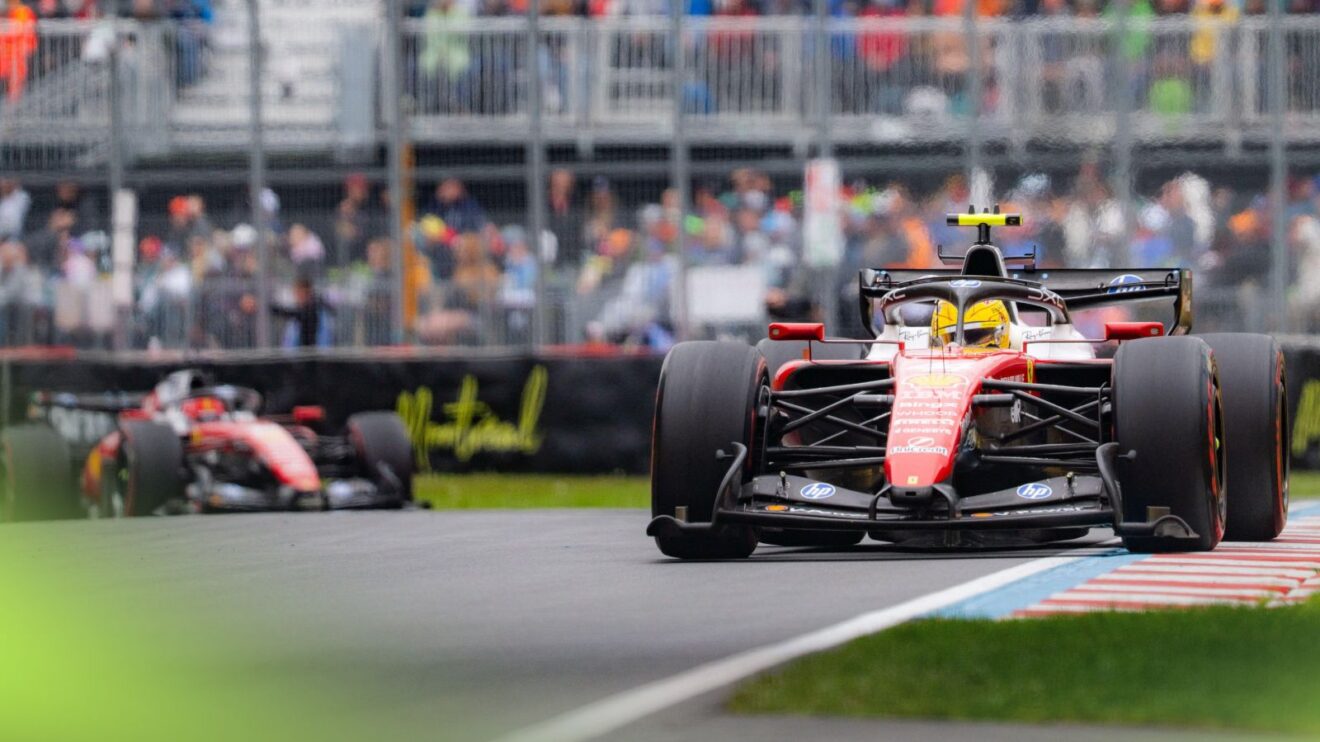
The final stint deltas remained flat at 0.3 seconds between first and second, proof that the circuit, not any shortfall in Leclerc's consistency, dictated the result. Norris took the 25 points to reach 158, three behind Piastri's 161, while Verstappen held third on 136. The sheets record a controlled win, yet they also archive the pressure points where driver instinct still fights the code.
Conclusion
Monaco's timing data ultimately humanizes the outcome more than any masterclass label admits. Leclerc's qualifying edge persists as the grid's most reliable pulse, undermined by team layers that treat intuition as noise. Schumacher's 2004 benchmark reminds us what gets lost when spreadsheets replace seat feel, and the 2026 edition will test whether that shift has already sterilized the streets of Monte Carlo.
Don't miss the next lap
Get the deep dives and technical analysis from the world of F1 delivered to your inbox twice a week.
Zero spam. Only high-octane analysis. Unsubscribe anytime.
Join the inner circle
Get the deep dives and technical analysis from the world of F1 delivered to your inbox twice a week.
Zero spam. Only high-octane analysis. Unsubscribe anytime.
Continue Reading
View More News