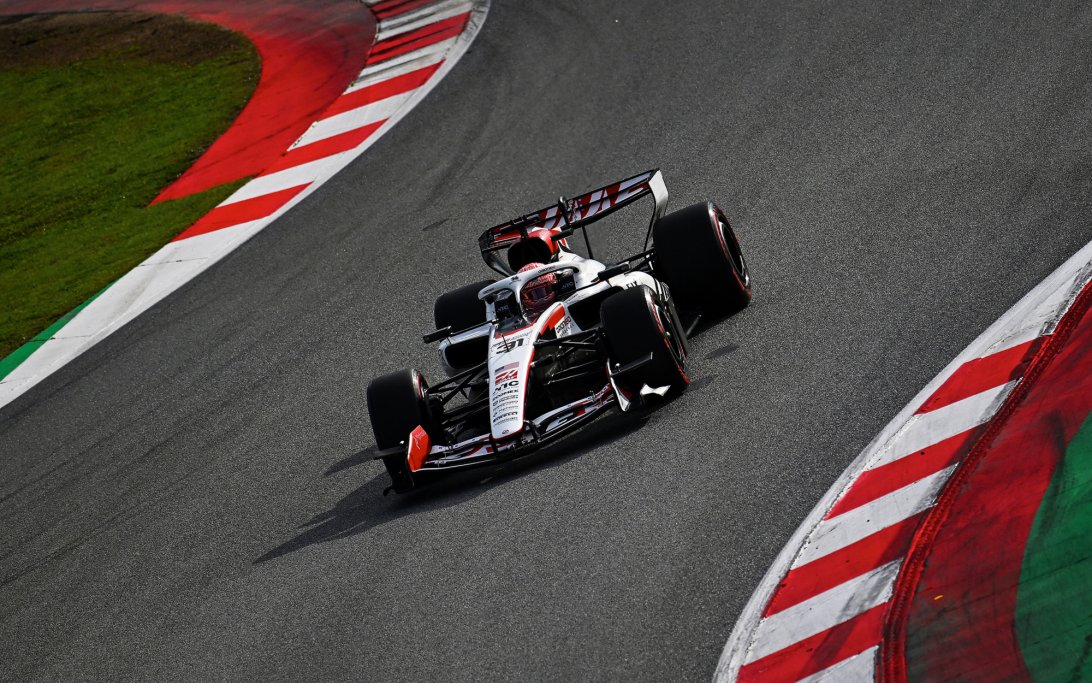
Ocon raises early concerns over 2026 F1 car overtaking ability
Esteban Ocon has given a cautious first review of F1's 2026 cars after testing in Barcelona, warning that overtaking may be harder than expected and critiquing the new active aerodynamics as simplistic. His early feedback raises questions about the new regulations' effectiveness in promoting closer racing.
Esteban Ocon has delivered an early, cautious verdict on Formula 1's new 2026 machinery, suggesting overtaking could be more difficult than hoped after his first taste of the new cars in Barcelona. The Alpine driver, who tested the Haas VF-26, expressed reservations about the new overtake mode and likened the active aerodynamics system to a simple front-wing DRS.
Why it matters:
Ocon’s initial feedback provides the first on-track driver perspective on the sport's radical new regulations aimed at improving racing. If his concerns about following other cars and the effectiveness of the new systems prove widespread, it could signal early teething problems for a ruleset designed to create closer competition. His comments put the spotlight on the FIA and teams to refine the concepts before the season begins.
The details:
- Ocon completed a filming day in the Haas VF-26 at the Circuit de Barcelona-Catalunya, a car that ran nearly 400 laps over three days of shakedown running.
- His primary concern centers on the loss of front-end downforce when running behind another car, a key factor in being able to follow closely and attempt a pass.
- New Overtake Mode: He experimented with the new overtake function, which provides an energy boost when within one second of a rival, but stated it needs optimization and currently makes passing look “difficult.”
- Active Aero Critique: Ocon was more pointed in his assessment of the new active aerodynamics, which automatically adjusts front and rear wing angles on straights and in corners. He called it “just DRS with the front,” expressing disappointment that it’s used for efficiency rather than as a dynamic tool for drivers to adjust balance corner-by-corner.
- Later Clarification: When pressed on his “disappointed” remark, Ocon walked back the strength of his critique, calling his own words “a bit extreme” and suggesting the system could simply be used “in a better way.”
Looking ahead:
Ocon’s remarks are a first data point, and much development and tuning will occur before the first race. His feedback highlights the critical balance the new rules must strike between aerodynamic efficiency and raceability. Teams will now analyze this early data intensely, with the true picture of the 2026 pecking order and racing quality likely to remain unclear until pre-season testing next winter.
Don't miss the next lap
Get the deep dives and technical analysis from the world of F1 delivered to your inbox twice a week.
Zero spam. Only high-octane analysis. Unsubscribe anytime.
Join the inner circle
Get the deep dives and technical analysis from the world of F1 delivered to your inbox twice a week.
Zero spam. Only high-octane analysis. Unsubscribe anytime.
Continue Reading
View More News