Oliver Bearman provides health update after 50G crash in Japan
Haas F1 driver Oliver Bearman reports he is fully recovered from a 50G crash at the Japanese GP, returning to simulator work within days. The incident, caused by a misjudged overtake, highlights ongoing safety concerns about closing speeds with current car regulations.
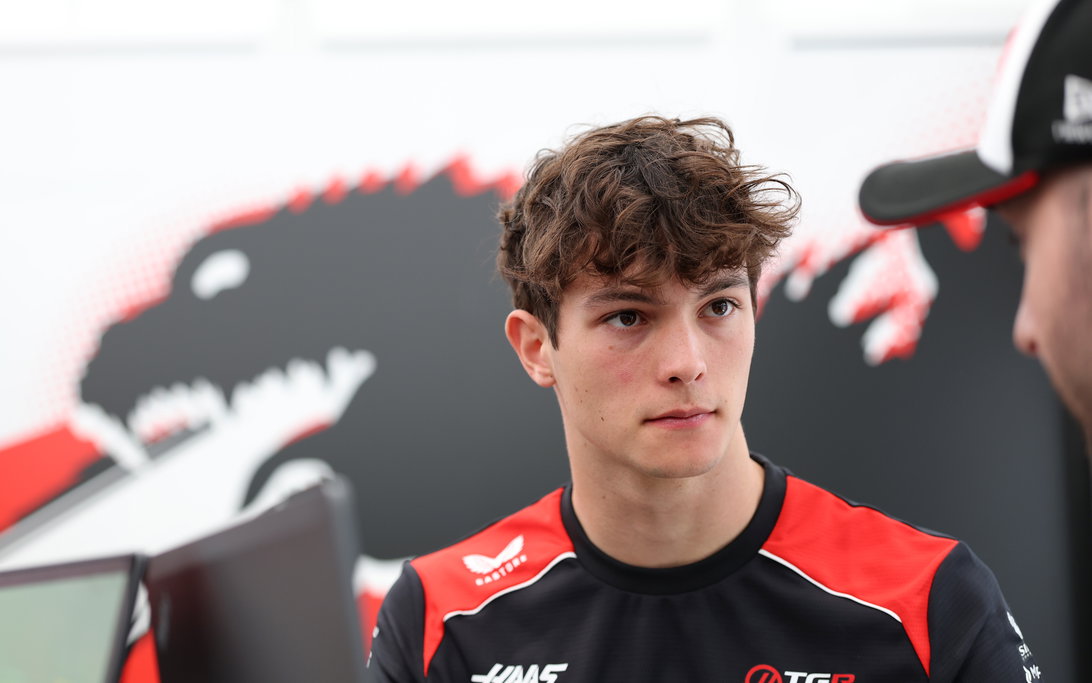
Haas driver Oliver Bearman has confirmed he is fully recovered from the massive 50G crash he suffered at the Japanese Grand Prix, attributing his quick return to the safety of modern F1 cars. The incident, caused by a misjudgment of closing speeds while attempting a pass, has reignited discussions about the inherent risks under the current regulations.
Why it matters:
Bearman's high-impact crash serves as a stark reminder of the physical dangers drivers still face, even with advanced safety technology. It directly validates concerns voiced by several drivers about the challenges of judging closing speeds with the current generation of cars, putting a spotlight on an ongoing safety debate within the sport.
The details:
- The crash occurred at Suzuka when Bearman, driving for Haas, was caught out by the closing speed while attempting to overtake Alpine's Franco Colapinto, resulting in a broadside impact with the barrier.
- The impact was measured at 50G, highlighting the extreme forces involved.
- Bearman was initially diagnosed with a contusion and bruising on his right knee, limping away from the scene and later seen limping onto a train the following day.
- He received an FIA waiver from the usual post-race media duties after being checked at the medical center.
- In his update, Bearman revealed the recovery process involved significant swelling and limited mobility immediately after the incident.
- Despite the severity, he was back in the simulator driving by mid-week following the race to practice for an endurance event with his brother, demonstrating a relatively swift physical recovery.
What's next:
Bearman has declared himself "all good" and is looking forward to returning to the cockpit for the Miami Grand Prix. While his personal recovery is complete, the crash is likely to fuel further technical and driver discussions about managing closing speeds and safety protocols, as the sport continues to balance performance with driver protection.
"It could have been a lot worse," Bearman acknowledged, expressing gratitude for the safety standards that protected him. His rapid return to simulator work underscores the resilience of drivers, but the incident remains a potent data point in F1's perpetual pursuit of safety.
Don't miss the next lap
Get the deep dives and technical analysis from the world of F1 delivered to your inbox twice a week.
Zero spam. Only high-octane analysis. Unsubscribe anytime.
Join the inner circle
Get the deep dives and technical analysis from the world of F1 delivered to your inbox twice a week.
Zero spam. Only high-octane analysis. Unsubscribe anytime.