Oscar Piastri's São Paulo Penalty: Fair or Foul?
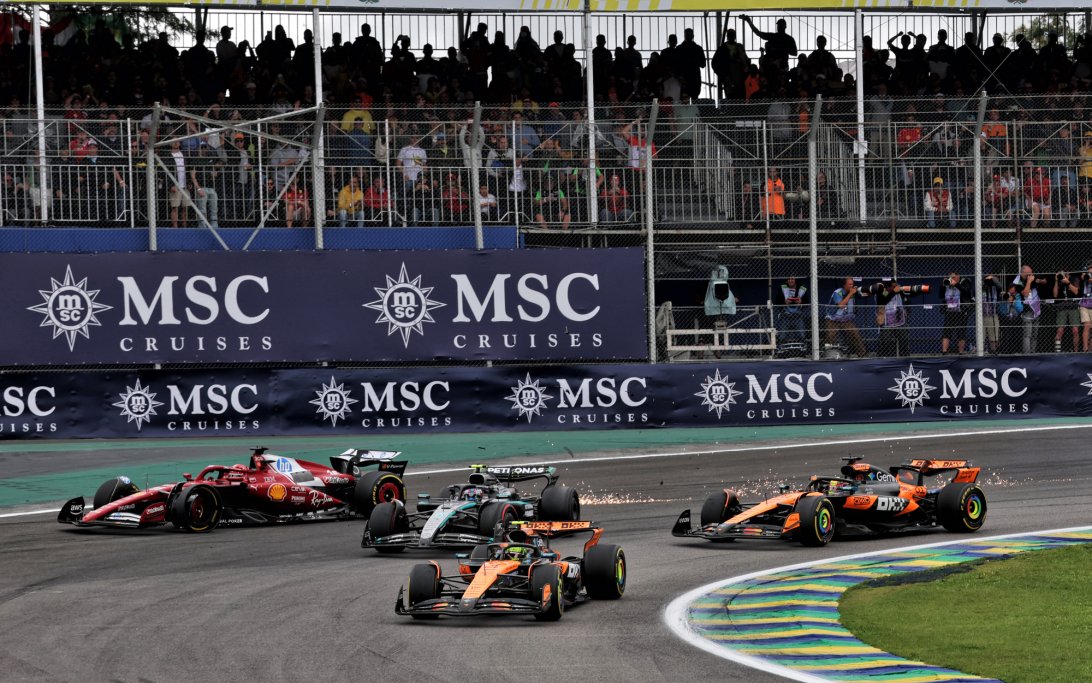
Oscar Piastri received a 10-second penalty at the São Paulo Grand Prix after a post-safety car collision with Kimi Antonelli and Charles Leclerc. Piastri and Leclerc both voiced confusion, suggesting Antonelli also played a role. The incident has ignited debate among fans and drivers on whether the penalty was justified or if it should have been deemed a racing incident, highlighting the fine line between aggressive racing and avoidable contact.
Oscar Piastri received a 10-second time penalty at the São Paulo Grand Prix for a collision involving Kimi Antonelli and Charles Leclerc, sparking debate over whether the Australian deserved the sanction. The incident occurred shortly after a safety car restart, with Piastri attempting an overtake on Antonelli that led to contact and terminal damage for Leclerc.
Why it matters:
Incidents like these often highlight the fine line between aggressive racing and avoidable contact, directly impacting race results and driver reputations. The stewards' decision, in this case, has fueled discussion among drivers and fans alike regarding the interpretation of racing incidents, especially during high-pressure safety car restarts. Clarity and consistency in stewarding are crucial for maintaining fairness and predictability in Formula 1.
The details:
- The Incident: Following a safety car restart, Piastri moved to the inside of Turn 1, attempting to overtake Kimi Antonelli. Antonelli was simultaneously under pressure from Charles Leclerc on his outside.
- The Collision: Contact was made between Piastri and Antonelli, which subsequently sent Antonelli's Mercedes into Leclerc's car, causing terminal damage to Leclerc's machine and forcing his retirement from the race.
- Stewards' Verdict: The F1 stewards ruled Piastri at fault, imposing a 10-second time penalty and two penalty points on his super license. This penalty significantly hampered his race performance and final standing.
- Driver Reactions:
- Piastri's View: The Australian driver expressed difficulty understanding the penalty, stating he felt 'pinched' by Antonelli, implying shared responsibility or a racing incident.
- Leclerc's View: Charles Leclerc, despite being the ultimate victim, also suggested that Antonelli should have been more proactive in avoiding the collision, echoing Piastri's sentiment about the incident's complexities.
Between the lines:
This incident exemplifies the nuanced challenges of racing after a safety car, where drivers push limits for position. While the stewards made a definitive call, the differing perspectives from the involved drivers underscore the subjective nature of judging racing incidents. Piastri's penalty, though applied, doesn't fully settle the debate, with many arguing for a 'racing incident' classification given the multi-car battle and tight conditions.
What's next:
The discussion surrounding Piastri's penalty will likely continue, influencing future debates on stewarding consistency and driver conduct in close-quarters racing. While the outcome of this specific incident is final, its implications could contribute to broader discussions within the FIA about racing rules and their application, especially regarding first-lap or restart collisions. Drivers and teams will continue to push for clearer guidelines to prevent such ambiguities.