Our Verdict on Ferrari President's Driver Criticism
Ferrari President John Elkann's public criticism of drivers Charles Leclerc and Lewis Hamilton, suggesting they 'talk less' and questioning team performance, has stirred controversy. Experts argue this intervention risks destabilizing the team, demotivating key drivers like Leclerc who have overperformed, and highlights a return to problematic internal politics that have hampered Ferrari historically. The comments are seen as a misdirected focus from underlying technical issues, potentially creating more friction than unity.
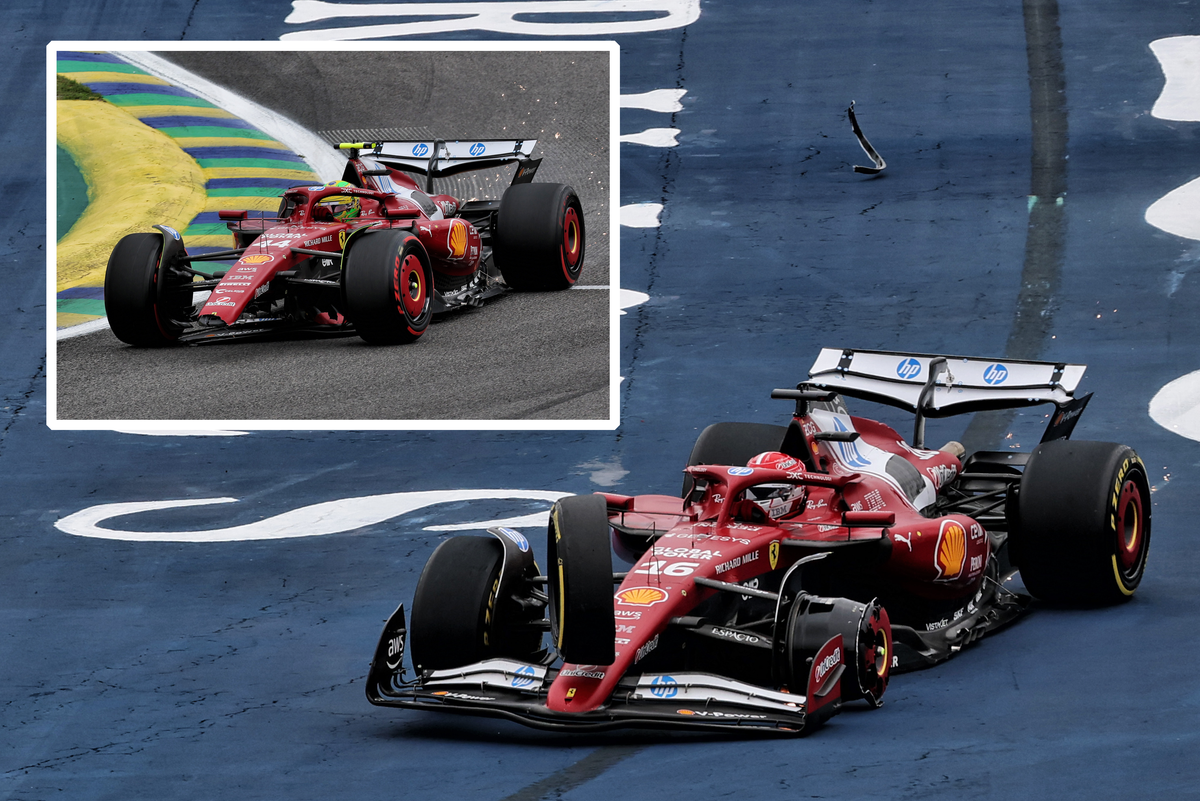
Ferrari president John Elkann's recent comments, suggesting drivers Charles Leclerc and Lewis Hamilton should 'talk less' while criticizing the team, have ignited a storm of debate and internal tension. This public reprimand, coming after a challenging season and a double DNF in Brazil, raises questions about its intent and potential impact on team morale and stability.
Why it matters:
Ferrari's F1 program has long been a subject of intense scrutiny, and high-level public criticism from the president only amplifies pressure on the team. Such comments, particularly those aimed at star drivers, risk destabilizing team unity and confidence, crucial elements for any championship contender. For a team that historically struggles with internal politics, this intervention harks back to eras where external interference hampered on-track performance.
The Details:
- Elkann's Remarks: The Ferrari president's statement effectively told drivers to 'focus on driving and talk less,' alongside indirect criticisms of the team's performance, contrasting it with Ferrari's WEC success.
- Driver Reactions: Both Leclerc and Hamilton posted social media messages shortly after Elkann's comments. Hamilton stated, "I back my team, I back myself," while Leclerc echoed Elkann's language, writing, "it's uphill from now and it's clear only unity can help us," subtly pointing to the core issue.
- Historical Precedent: This isn't the first time Ferrari's upper management has interfered. Past instances, notably during the Michael Schumacher era, highlight that insulating the race team from such pressures was key to their success. Modern Ferrari seems unable to replicate this protective shield.
- Vasseur's Challenge: Team principal Fred Vasseur, who has consistently managed driver frustrations with a pragmatic approach, now faces the more significant challenge of navigating criticism from the very top. This top-down critique is a stark contrast to his efforts to foster a calm, focused racing environment.
- Driver Performance: Critics argue that Leclerc has consistently overperformed in a car that is, at best, the fourth fastest on the grid, securing seven podiums this season. Hamilton, despite a tougher adaptation, has also been a victim of the car's technical shortcomings, particularly its ride-height sensitivity.
- Technical Missteps: Many experts, including former F1 technical director Gary Anderson, point to inherent design flaws, such as 'lift and coast' being a consistent necessity, rather than driver performance as the core issue. Anderson suggests improvements are only relative to competitors, and Ferrari hasn't improved as much.
Between the lines:
Elkann's comments, particularly the perceived targeting of Leclerc, could severely demotivate a driver who has shown immense loyalty despite the team's inability to provide a championship-winning car. The unfavorable comparison to Ferrari's Hypercar success in WEC, where Balance of Performance rules level the playing field, also suggests a misunderstanding of F1's competitive dynamics. This public critique risks creating more internal friction and external scrutiny, rather than fostering the unity Elkann claims to desire. It signals a return to an 'old-world' Ferrari mentality that clashes with the 'always try to be better' culture Vasseur aims to instill.
What's next:
The timing of Elkann's intervention, just before the highly anticipated Las Vegas Grand Prix, ensures this will be a dominant storyline, forcing drivers and team principal Vasseur to address awkward questions. If Ferrari's performance doesn't significantly improve in the early stages of the 2026 season, this type of high-level criticism suggests that further significant changes within the team could be on the horizon, potentially impacting key personnel and driver contracts, particularly for Leclerc.