Piastri Compares F1's 2026 Active Aero to DRS, But Stronger
Oscar Piastri reveals that F1's new 2026 active aerodynamics will feel similar to DRS for drivers but deliver a more powerful effect. However, the system's primary purpose shifts from overtaking aid to an efficiency tool for hybrid power units, and its subtler operation may pose a broadcast challenge for fans.
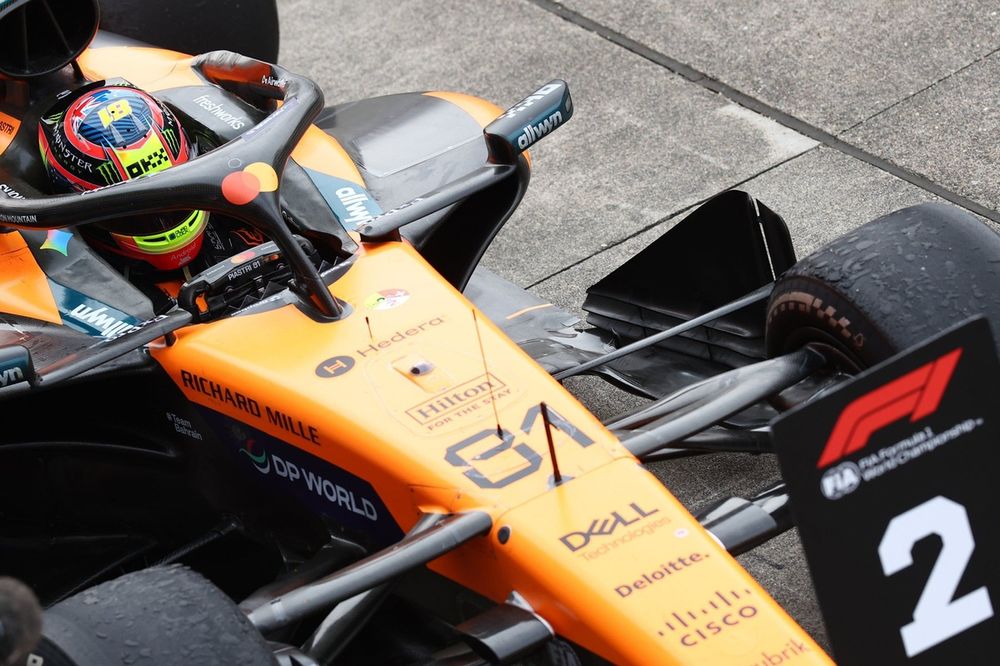
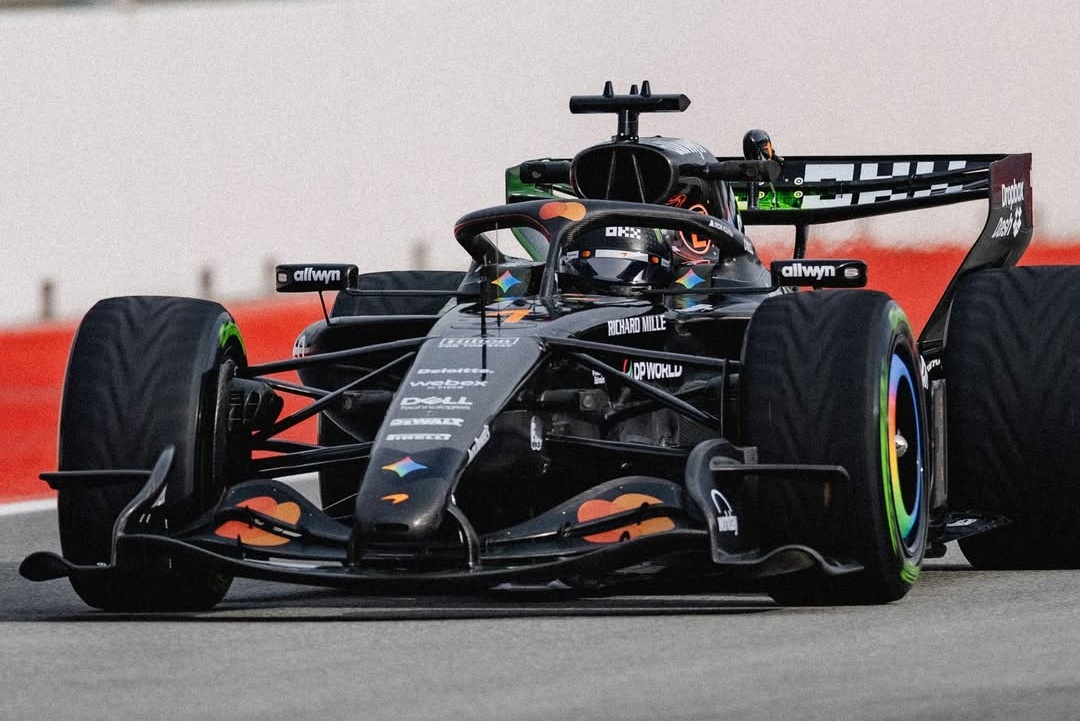
McLaren's Oscar Piastri says Formula 1's incoming active aerodynamics for 2026 will feel familiar to drivers like the current DRS system, but the effect will be more powerful and less visually dramatic for fans. The new system, replacing DRS, is designed as an efficiency tool for the hybrid power units, fundamentally changing its purpose from a pure overtaking aid to a performance management device.
Why it matters:
The 2026 technical overhaul represents one of F1's biggest regulation shifts in decades, aiming to make cars smaller, lighter, and more efficient. The switch from DRS to active aero is a core part of this philosophy change, moving the focus from artificial overtaking assistance to sustainable racecraft and energy management. How drivers adapt and how broadcasters explain the subtle changes will be crucial to the new era's reception.
The Details:
- Driver Sensation: Piastri describes the feeling of activating the new system as "very similar to when we had DRS," but notes the aerodynamic balance shift is different. He states the car becomes "much more lazy" with reduced grip on both axles, unlike DRS which made the car very pointy with a forward balance shift.
- Increased Power: The Australian driver warns the drag reduction effect is "probably more powerful" than the outgoing DRS system, suggesting a more significant straight-line speed boost.
- Philosophical Shift: The primary purpose of the active aero is no longer just to aid overtaking. Instead, it's engineered to "reduce drag and take some of the limitations away from the power unit," serving the new 2026 hybrid engines that split power evenly between combustion and electrical energy.
- Operational Changes: The system will be manually activated by drivers in multiple zones per lap, with automatic deactivation under braking. Wings will return to a closed, high-downforce configuration for corners.
- The Overtake Button: A separate manual overtake function will remain for close combat, inheriting the traditional role of DRS in wheel-to-wheel battles.
What's next:
The adaptation challenge in 2026 will extend beyond the garage to the broadcast booth and the living room. Piastri highlights that the subtle wing movements will lack the obvious visual cue of a DRS flap opening, making it harder for fans to see when the system is active. The early races will likely require a concerted effort from F1 and its broadcast partners to effectively explain the new technology and its strategic impact to the audience. The success of the change will hinge not only on its technical merits but also on how well its complexities are communicated.
Don't miss the next lap
Get the deep dives and technical analysis from the world of F1 delivered to your inbox twice a week.
Zero spam. Only high-octane analysis. Unsubscribe anytime.
Join the inner circle
Get the deep dives and technical analysis from the world of F1 delivered to your inbox twice a week.
Zero spam. Only high-octane analysis. Unsubscribe anytime.