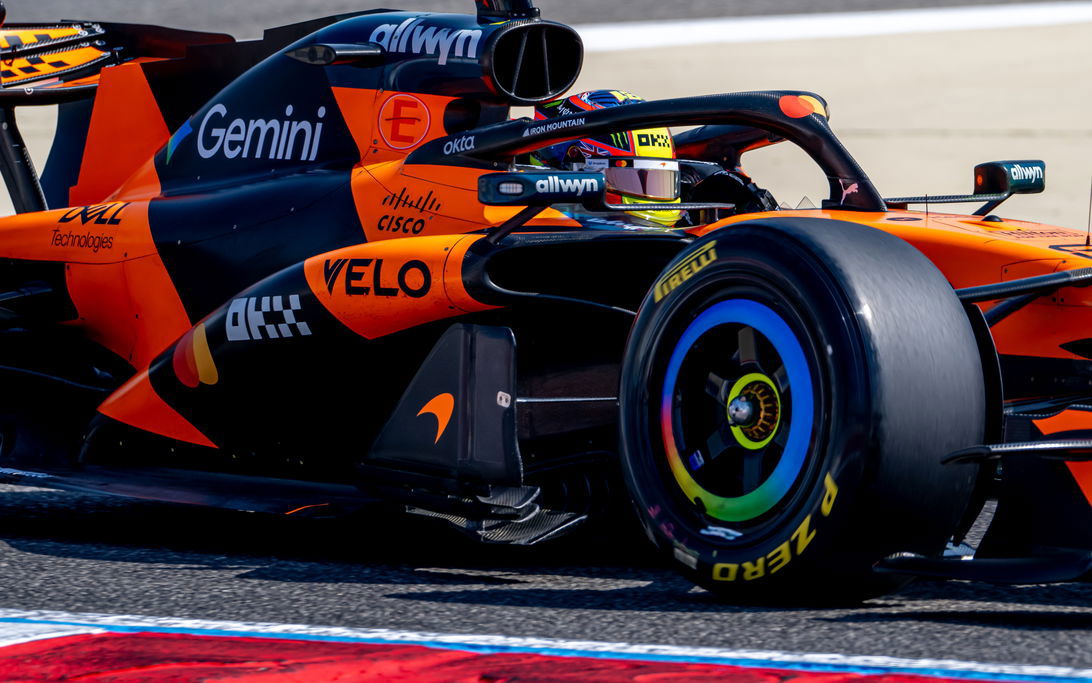
Piastri downplays 'Wacky Races' fears over 2026 F1 cars
Oscar Piastri says initial simulator runs of F1's 2026 cars show they won't be 'super wacky' to drive, despite radical new regulations. He describes them as a 'slightly different version' of a normal race car, with increased focus on energy management but familiar core driving techniques.
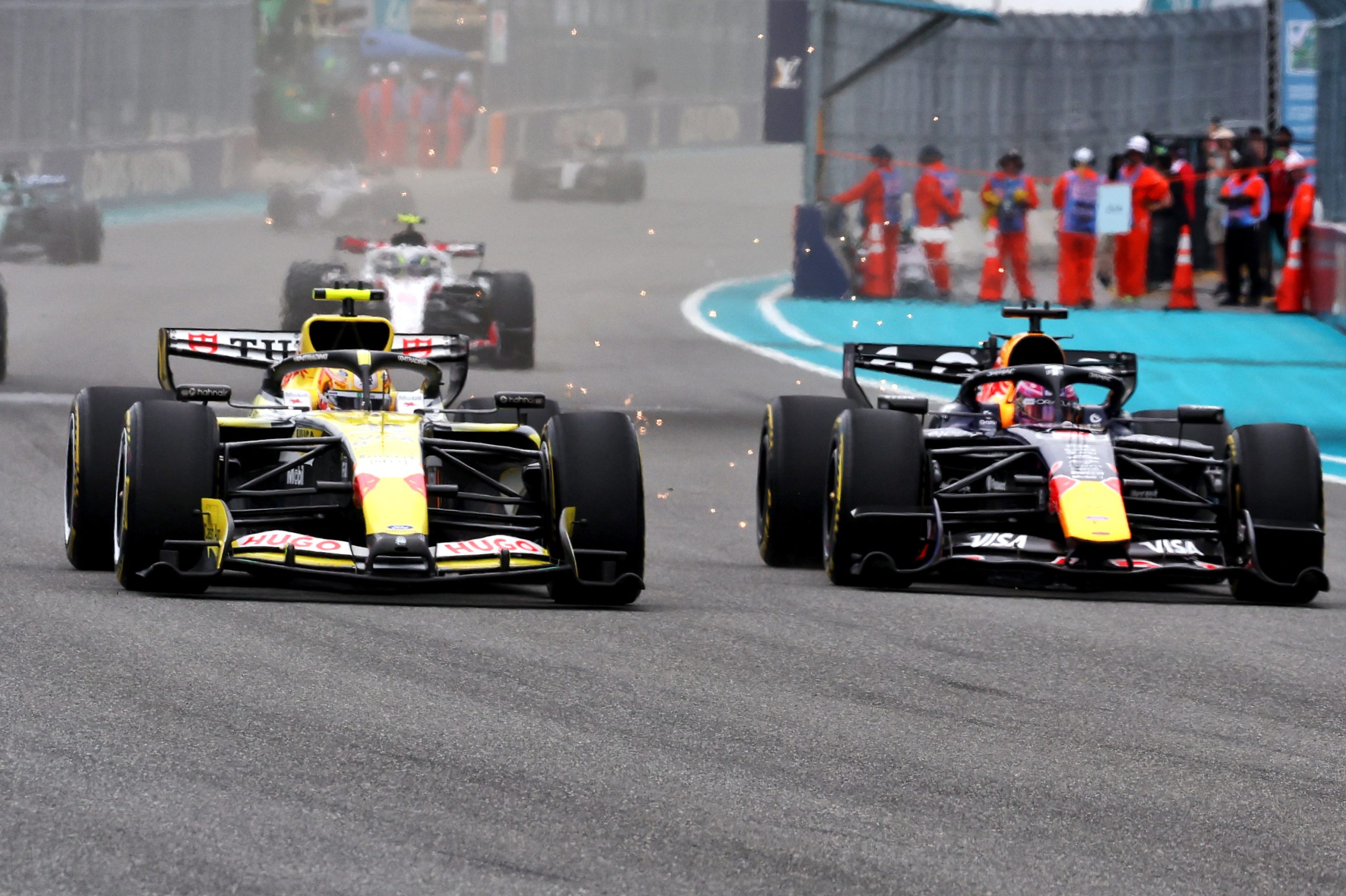
McLaren driver Oscar Piastri has dismissed concerns that Formula 1's radically overhauled 2026 cars will feel bizarre or overly complex to drive, describing them as a "slightly different version" of a normal race car. His comments come after initial simulator runs of the new-generation machines, which feature narrower, lighter chassis and a major shift to a 50-50 power split between the combustion engine and a significantly more powerful battery.
Why it matters:
The 2026 technical regulations represent the most significant shake-up in a generation, fundamentally altering car dynamics and energy management. How drivers adapt to these changes will be crucial for competitive success. Piastri's reassurance suggests that, while the engineering is complex, the driving experience from the cockpit may not be as alien as some feared, potentially easing the transition for the entire grid.
The details:
- Radical Regulation Overhaul: The 2026 cars are shorter, narrower, and lighter than current models and will debut active aerodynamics. The power unit shift is even more dramatic, moving from an approximate 80-20 combustion-to-electric split to a 50-50 balance, with the battery now capable of 350kW of power.
- Piastri's Simulator Assessment: Following his initial runs, Piastri stated the cars are "not going to be super wacky to drive." He acknowledged the need for more "lift and coast" to harvest energy but emphasized that core driving techniques remain unchanged, with no need for unusual actions like throttle blipping.
- Energy Management is Key: The new power unit formula places a massive premium on energy deployment and harvesting strategy. Drivers will need to be far more economical, making techniques like "super-clipping"—a method of harvesting energy under braking—critical.
- Track-Dependent Challenge: Piastri highlighted that recharging the battery will be "very track specific," a challenge that exists now but will be magnified threefold due to the increased power and consequences of the 2026 systems.
- Software Handles Complexity: The Australian driver pointed out that much of the complexity is managed "behind the scenes with software" by the engine manufacturers, insulating the driver from overly intricate procedures.
What's next:
While Piastri offers a calming perspective, the true test will come when prototypes hit the track. Teams and drivers face a steep learning curve to optimize the interplay between active aero, new tire dimensions, and the delicate energy management of the hybrid system. His early feedback suggests the revolution may be more evolutionary from the driver's seat, but mastering the new strategic elements will define the early pecking order in 2026.
Don't miss the next lap
Get the deep dives and technical analysis from the world of F1 delivered to your inbox twice a week.
Zero spam. Only high-octane analysis. Unsubscribe anytime.
Join the inner circle
Get the deep dives and technical analysis from the world of F1 delivered to your inbox twice a week.
Zero spam. Only high-octane analysis. Unsubscribe anytime.
Continue Reading
View More News