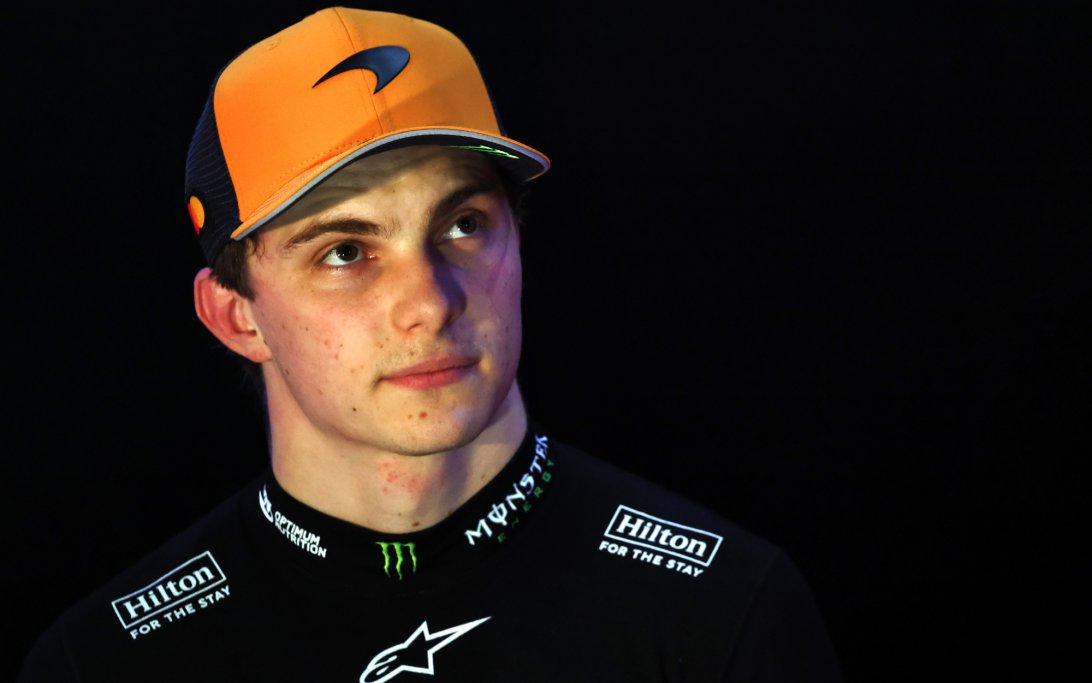
Piastri highlights 'different behavior' of F1's new generation cars
McLaren driver Oscar Piastri states that F1's 2026 cars behave "quite differently" from previous models, presenting a dual challenge of adapting to new hybrid power units and active aerodynamics. He emphasizes that mastering both the 50/50 energy management and the car's new handling dynamics will be key to finding an early competitive advantage.
McLaren's Oscar Piastri has emphasized that the fundamental "behavior" of Formula 1's new-generation cars is "quite different" from their predecessors, marking a significant challenge for drivers as they adapt to sweeping 2026 technical regulations. While the new power units have dominated headlines, Piastri warns that the chassis and aerodynamic changes demand equal attention from competitors seeking an early advantage.
Why it matters:
The 2026 season represents the most comprehensive technical reset in over a decade, moving beyond a simple power unit change. Success will hinge on a team's ability to master two complex, interlinked revolutions simultaneously: new hybrid engines and a radically different aerodynamic concept. Drivers who adapt quickest to the car's new handling characteristics could secure a crucial early-season performance edge.
The details:
- Piastri identifies a dual adaptation challenge, splitting focus between the new power units and the cars' altered dynamics.
- Power Unit Overhaul: The 2026 engines introduce a major shift, with a 50/50 split between internal combustion and electrical energy. This demands a completely new approach to energy management from drivers accustomed to a system largely unchanged since 2014.
- Chassis & Aero Revolution: The new aerodynamic rules have produced smaller, lighter cars designed to improve overtaking. The key technical departure is the introduction of active aerodynamics.
- This system allows the front and rear wings to change configuration between straights and corners, fundamentally altering aerodynamic balance and downforce levels in real-time.
- The Drag Reduction System (DRS) has been replaced by an overtake mode button linked to the power unit's energy deployment.
What's next:
The extensive 2025 testing schedule, highlighted by Piastri, will be critical for teams to unravel the complexities of the new package. The driver who best "gets their head around" the combined challenge of managing a new power unit while exploiting the active aero's potential will likely head into the season opener with confidence. This period of adaptation could reshuffle the competitive order, making pre-season development more pivotal than ever.
Don't miss the next lap
Get the deep dives and technical analysis from the world of F1 delivered to your inbox twice a week.
Zero spam. Only high-octane analysis. Unsubscribe anytime.
Join the inner circle
Get the deep dives and technical analysis from the world of F1 delivered to your inbox twice a week.
Zero spam. Only high-octane analysis. Unsubscribe anytime.
Continue Reading
View More News