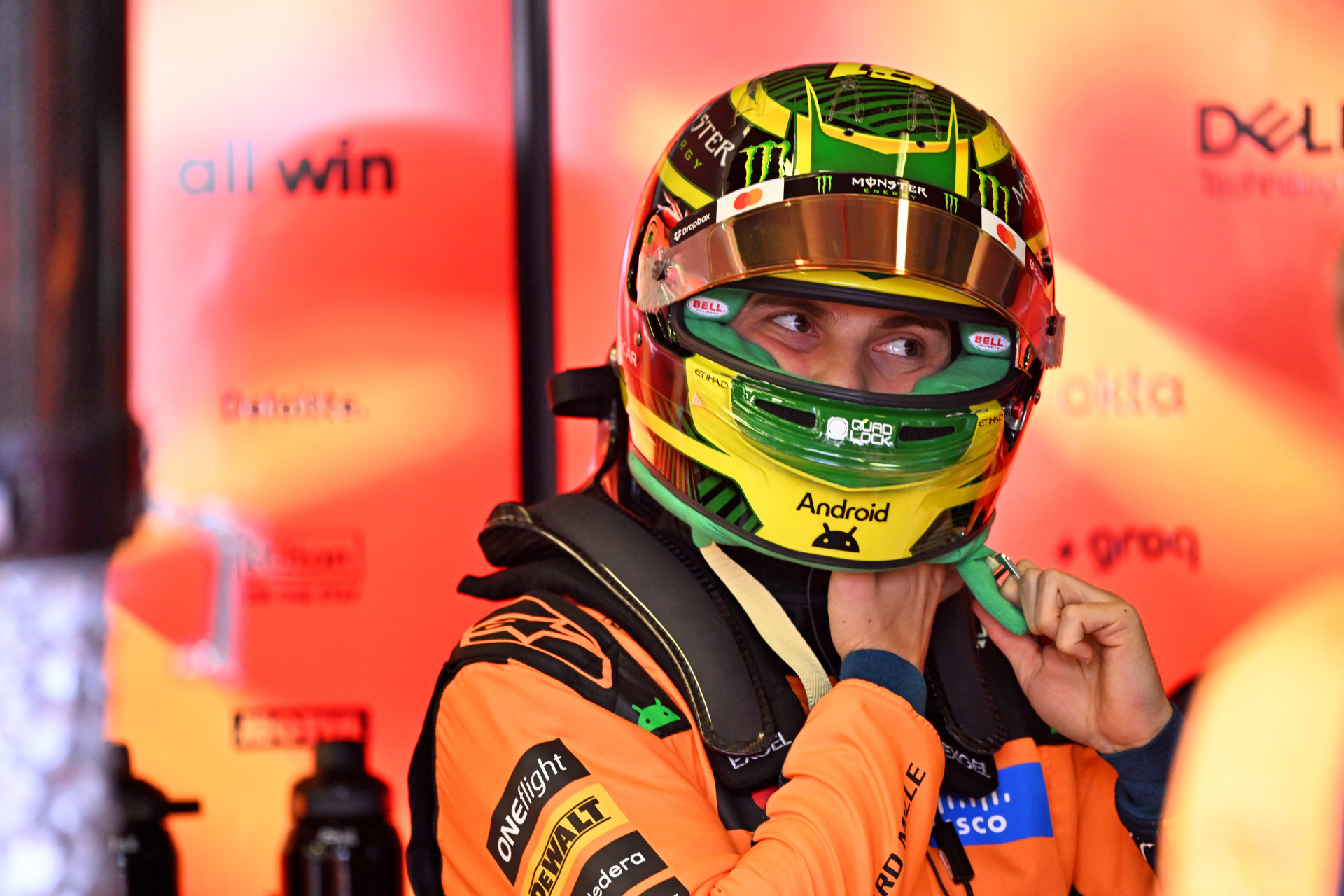
Piastri Points to Straight-Line Speed Deficit After Mercedes Leap in Australian GP
Oscar Piastri qualified fifth for his home Australian Grand Prix, revealing McLaren struggled with straight-line speed compared to a dominant Mercedes. After leading Friday practice, he fell back as rivals improved, highlighting the complex energy management challenges of F1's new 2026 cars that demand a different driving approach and increase cockpit workload.
Oscar Piastri has identified a significant straight-line speed deficit as a key factor in McLaren's qualifying slump at the Australian Grand Prix, where Mercedes surged to a dominant front-row lockout. After showing strong pace on Friday, Piastri qualified fifth, admitting his team failed to find the same gains as rivals and highlighting the complex challenges drivers face with Formula 1's new 2026 technical regulations, particularly around energy management.
Why it matters:
The performance swing from Friday practice to qualifying underscores the volatile and development-sensitive nature of the new regulatory era. Mercedes' clear step forward signals they may have unlocked early potential where others are still searching, potentially setting an early hierarchy. Furthermore, Piastri's candid comments shed light on the fundamental driving and strategic adjustments required under the new power unit and energy recovery rules, which could define the early part of the season.
The details:
- A Weekend of Two Halves: Piastri topped the timesheets in Friday's second practice session but slumped to eighth in FP3 and fifth in qualifying, a drop he attributes to a lack of progress as others improved.
- The Mercedes Surge: The session was defined by Mercedes' performance leap, with George Russell taking pole and rookie Kimi Antonelli completing a front-row lockout, revealing a potential pace advantage in their package.
- Straight-Line Speed Concern: Piastri pinpointed straight-line speed as the "by far the biggest thing" after final practice, a critical deficit on Albert Park's long straights.
- The 2026 Driving Challenge: The Australian offered a frank assessment of the new-spec cars, stating "the way you naturally want to go fast doesn't work." He emphasized the increased cockpit workload, with drivers constantly monitoring dash displays to manage complex energy deployment.
- Energy Management Headache: A core challenge is the split between "energy starved" and "energy rich" circuits, with Albert Park falling into the former category. This can lead to a lack of power at key moments, making the issue highly visible.
What's next:
Piastri will start fifth for his home grand prix, with the race pace picture still an unknown. His comments suggest McLaren has urgent homework to understand its qualifying performance loss and straight-line speed deficit. More broadly, the Australian GP weekend has provided the first real-world evidence of how teams are adapting to the 2026 rules, with Mercedes appearing to have found an early edge. As the season progresses, circuits with different energy characteristics will test each team's understanding of the complex new systems.