Piastri says new F1 cars not as 'alien' as feared after testing
McLaren's Oscar Piastri says driving the 2026 F1 car in testing dispelled fears it would feel completely alien, confirming it still behaves like a proper Formula 1 machine despite major new technical challenges.
Oscar Piastri has revealed that initial fears of the 2026 Formula 1 cars feeling completely "alien" to drivers have been allayed after pre-season testing in Barcelona. The McLaren driver confirmed that while the new machines present significant challenges, their fundamental behavior remains recognizably that of an F1 car.
Why it matters:
The 2026 season introduces the single biggest technical overhaul in F1 history, with new power units, smaller chassis, and active aerodynamics. How drivers adapt to these radically different machines is a critical factor for competitive performance. Piastri's feedback suggests the transition, while demanding, may be less disruptive than some within the paddock had anticipated, offering a measure of reassurance about the new regulatory era's drivability.
The details:
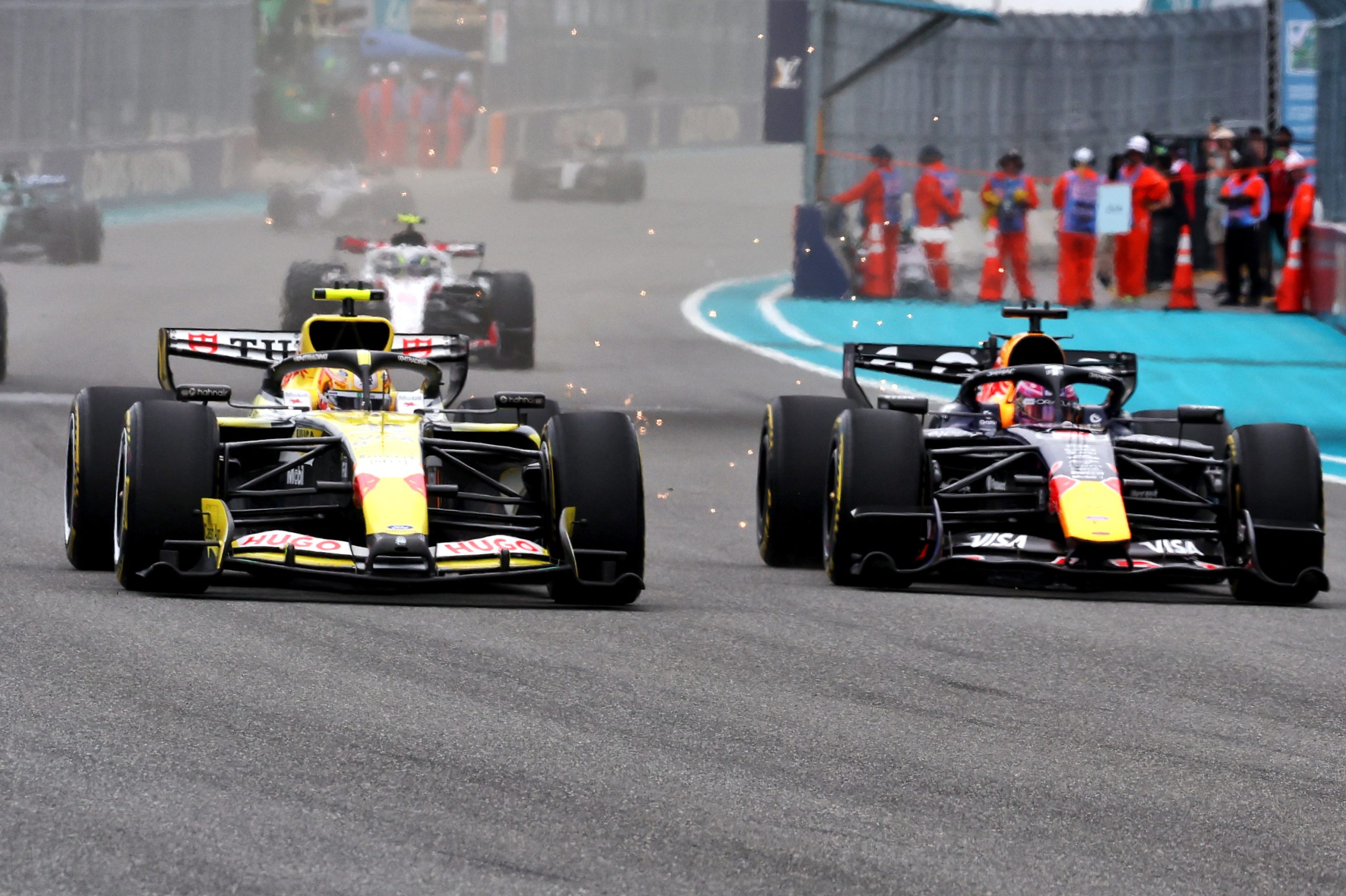
- Piastri noted the cars are visibly different, being smaller and nimbler with a much narrower front wing, and also sound different due to the new power units.
- The core takeaway from testing was the confirmation that "it still is a Formula 1 car" that "behaves how a Formula 1 car should."
- He acknowledged that the anticipated challenges, particularly in adapting to the new power unit delivery and reduced downforce, are real but "not as alien as I think we might have feared."
- The 2026 changes are comprehensive: a 50-50 power split between the ICE and a beefed-up battery, combined with major chassis revisions leading to smaller, narrower cars with active aerodynamics.
What's next:
The real test will come under competitive conditions at the season opener. While initial fears have been tempered, teams and drivers now enter a compressed development phase to optimize their packages and driving styles around the new car's characteristics. Piastri's early assessment provides a baseline, but the true competitive hierarchy and adaptation curve will only become clear once the lights go out in Melbourne.
Don't miss the next lap
Get the deep dives and technical analysis from the world of F1 delivered to your inbox twice a week.
Zero spam. Only high-octane analysis. Unsubscribe anytime.
Join the inner circle
Get the deep dives and technical analysis from the world of F1 delivered to your inbox twice a week.
Zero spam. Only high-octane analysis. Unsubscribe anytime.