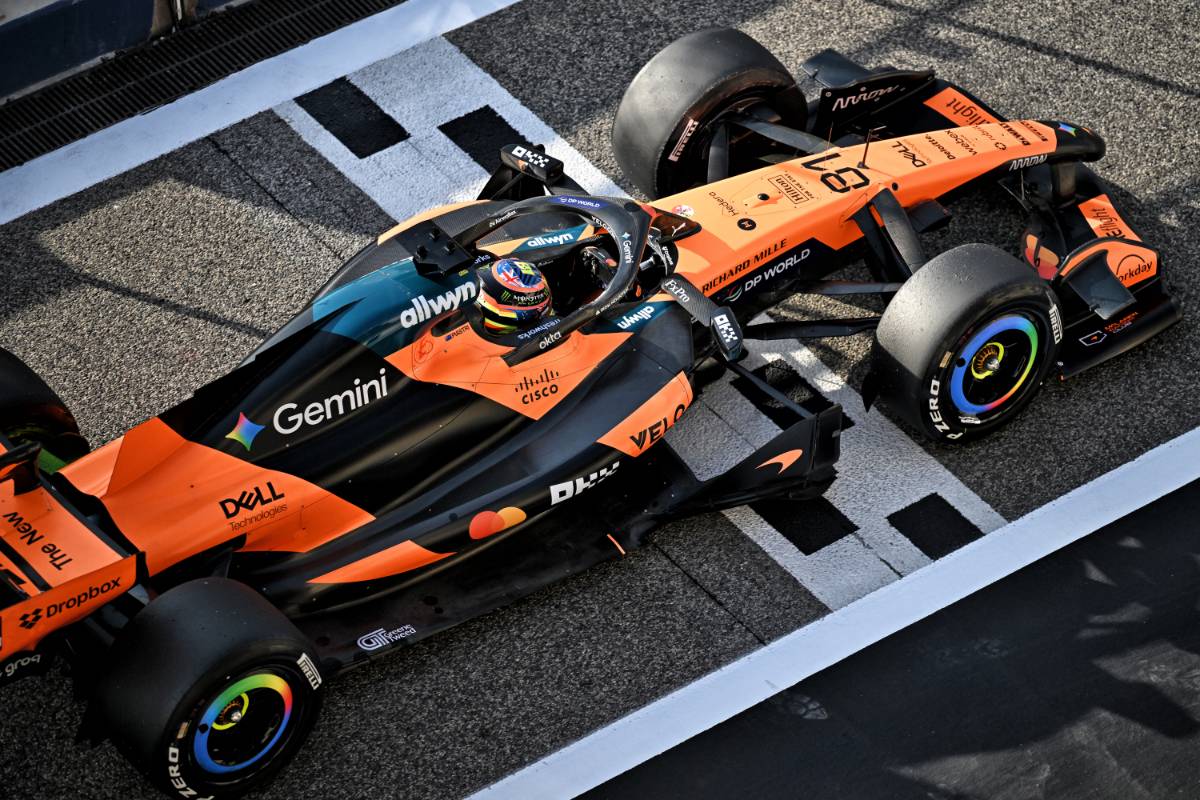
Piastri warns botched F1 starts could cost 'six or seven spots' in 2026
Oscar Piastri warns that F1's new 2026 start procedures could be disastrous, with a single mistake potentially costing drivers six or seven positions. The complex turbo-spooling rules create a high-risk launch phase, turning starts into a safety and competitive gamble that teams are urgently seeking to address.
McLaren's Oscar Piastri warns that Formula 1's new 2026 start procedures could turn race launches into high-stakes gambles, where a single mistake could cost drivers up to six or seven grid positions. The anxiety stems from complex new turbo-spooling rules requiring drivers to hold high engine revs for ten seconds before the lights go out, creating a delicate balance between a strong launch and triggering anti-stall.
Why it matters:
Race starts are becoming moments of jeopardy rather than routine precision. A bad launch no longer means losing a few meters—it could mean plummeting down the order before reaching the first corner, fundamentally changing race strategy and safety dynamics, especially for cars starting at the back of the grid.
The details:
- The 2026 technical regulations, which remove the MGU-H, introduce new turbo-spooling procedures. Drivers must now hold high engine revs for a full ten seconds before the start.
- Mistiming this delicate process can result in either a sluggish getaway or immediately plunging the car into anti-stall mode, effectively ending a driver's chance to compete at the start.
- The danger was previewed during testing in Bahrain, where Alpine's Franco Colapinto nearly spun into the pit wall after a troubled launch, highlighting the safety risks.
- Piastri admits uncertainty grips the grid, stating, "I'm not sure any of us know exactly what we need yet," comparing the potential outcome to an F2 race start where cars can almost immediately fall out of contention.
The big picture:
The issue extends beyond pure performance. McLaren Team Principal Andrea Stella has already called for urgent rule revisions, a stance Piastri supports. The driver emphasized that the current process complicates having a safe start, let alone a competitive one. This adds to a list of topics teams must address before the Australian Grand Prix, including changes to overtaking mechanics with the new energy recovery system.
What's next:
Piastri confirmed that starts will be a major discussion point between teams and the FIA before the season opener in Melbourne. The goal is to find a solution that ensures safety and fair competition, preventing the race from being decided before the cars even reach Turn 1.