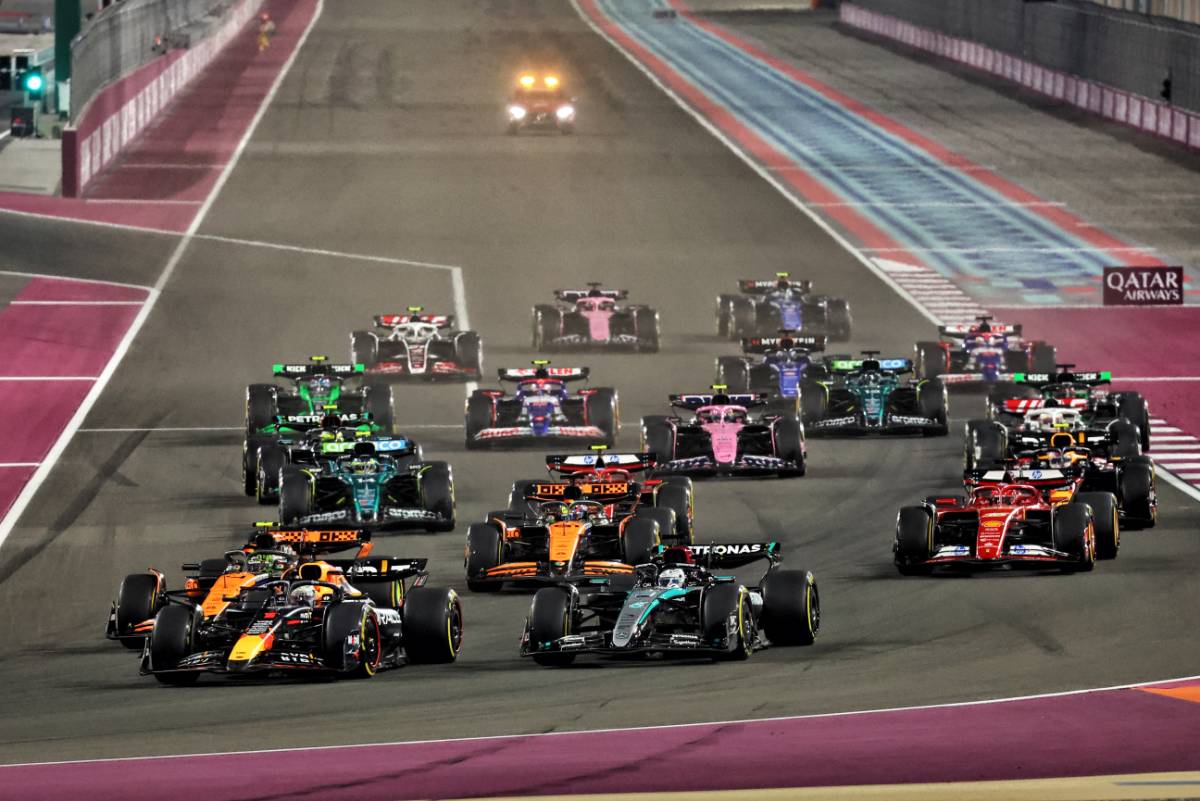
Pirelli Mandates Two Pit Stops for Qatar GP on Safety Grounds
Pirelli has mandated a strict 25-lap maximum stint length for all tires at the Qatar Grand Prix, effectively requiring a minimum of two pit stops during the 57-lap race. This proactive safety measure addresses severe tire damage and structural failures observed in 2024 due to high wear, aggressive kerb contact, and lateral energy at the Lusail circuit, aiming to prevent repeat incidents and enhance driver safety.
Formula 1's tire supplier Pirelli has confirmed a strict 25-lap maximum stint length for every tire set at next week's Qatar Grand Prix, effectively mandating a minimum of two pit stops during the 57-lap race. This decision, made in conjunction with the FIA and the ten F1 teams, directly addresses severe tire damage observed during the 2024 event, aiming to prevent structural failures caused by excessive wear and aggressive kerb contact.
Why it matters:
The introduction of a mandatory two-stop strategy for the Qatar Grand Prix highlights an ongoing safety concern with F1 tires under extreme conditions. This pre-emptive measure, unlike the reactive one in 2023, demonstrates a concerted effort to prioritize driver safety and tire integrity, potentially influencing race strategies and adding another layer of complexity for teams and drivers.
The details:
- Mandatory Two-Stop Strategy: Every tire set is limited to a maximum of 25 laps of green-flag running. With the Qatar GP being 57 laps, this ensures all drivers must make at least two pit stops.
- Reasoning Behind the Decision: Post-season analysis of the 2024 Qatar GP tires revealed that several, particularly the left front, reached maximum wear levels. The combination of high lateral energy, high track temperatures, and the abrasive Lusail surface led to increased structural fatigue and on-track punctures for drivers like Carlos Sainz and Lewis Hamilton.
- Lap Counting Rules: Laps completed under Safety Car or Virtual Safety Car conditions will count towards the 25-lap limit. In-laps to the pits, out-laps, formation laps, and laps after the chequered flag are excluded.
- Tire Compounds for Qatar: Pirelli will bring its hardest compounds: C1 (hard), C2 (medium), and C3 (soft). For the sprint weekend format, each driver will have two sets of C1, four sets of C2, and six sets of C3.
- Team Communication: Pirelli engineers will inform teams of the remaining laps for each used tire set, enabling them to manage strategies within the new restrictions.
The big picture:
The Lusail International Circuit, with its high-speed corners and aggressive kerbs, has consistently challenged tire integrity. While F1 cars are designed for immense speeds and forces, the recurring issues at Qatar underscore the limits of current tire technology under specific track conditions. This mandatory two-stop rule is a direct acknowledgment of those limitations, ensuring that the spectacle of racing doesn't come at the cost of driver safety. It also sets a precedent for how F1 and Pirelli might approach similar high-stress circuits in the future.
What's next:
The implementation of this rule will make tire management a critical factor in the Qatar GP's outcome. Teams will need to optimize their strategies, considering not just performance but also the strict lap limits. This could lead to more varied pit stop timings and potentially more on-track action as drivers manage tire wear and push for optimal stint lengths within the new regulations. It also places greater emphasis on driver technique to minimize tire degradation over a shorter, more intense stint.