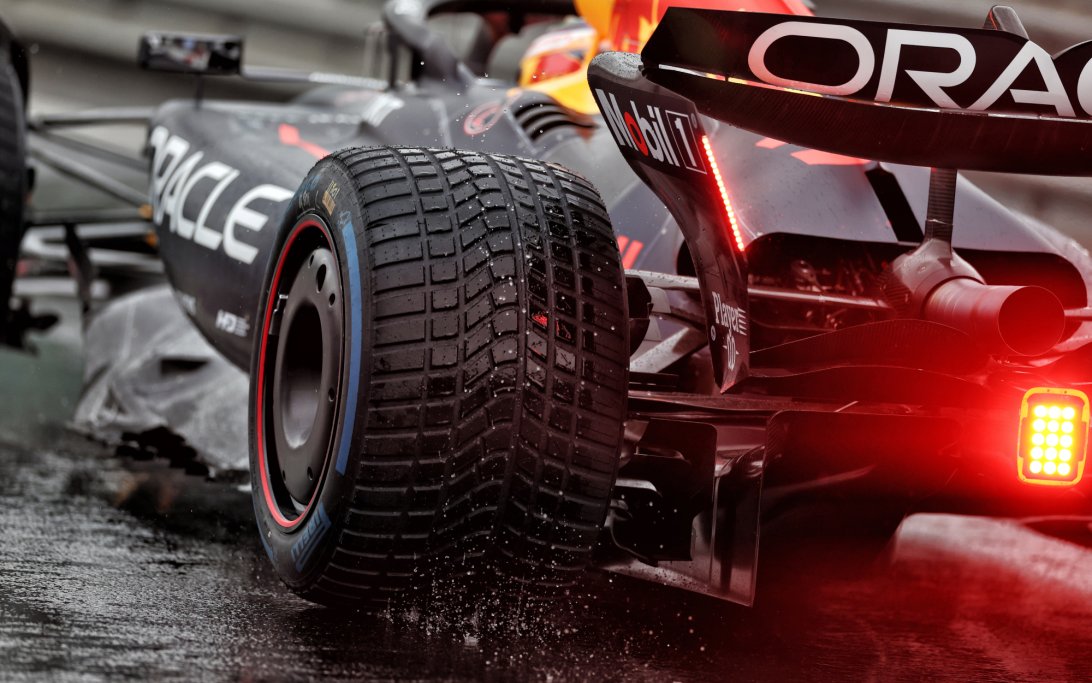
Pirelli plans radical wet-weather test in Bahrain ahead of 2026 season
Pirelli is set to conduct a pivotal wet-weather tyre test in Bahrain using the circuit's sprinklers, with McLaren and Mercedes participating. The aim is to collect data for the 2026 cars, which feature design changes intended to reduce spray and improve visibility, potentially making rain-affected races viable again after years of safety-led cancellations.
Pirelli is organizing a crucial wet-weather tyre test at the Bahrain International Circuit in late February, using the track's sprinkler system to simulate rain. The test, involving McLaren and Mercedes, aims to gather vital data on spray and performance for the 2026 cars, as the sport seeks to make racing in the rain viable again.
Why it matters:
Wet-weather racing has been nearly impossible in recent years due to dangerous spray levels, leading to farcical situations like the 2021 Belgian GP. With new 2026 car regulations designed to reduce spray, Pirelli needs real-world data to develop tyres that can actually be used in rain-affected races, moving beyond the current situation where full wets are almost obsolete.
The details:
- Test specifics: Scheduled for February 28th and March 1st (the weekend before Melbourne) in Bahrain, the test will use the circuit's sprinkler system to wet the entire track, not just sections.
- Participating teams: McLaren and Mercedes will provide cars and drivers for the late-evening sessions, chosen for more stable desert conditions.
- 2026 car changes: The new-for-2026 cars, without large diffusers and with narrower tyres, are expected to throw less water into the air, potentially improving visibility.
- Development goal: Pirelli aims to reduce the "crossover time" between the full wet and intermediate compounds, making the wet tyre a more usable strategic option rather than a last resort.
- Testing challenges: Pirelli's Head of Motorsport, Mario Isola, emphasized the extreme difficulty of organizing wet tests, which require specific tracks with watering capabilities, unlike dry tests that can often piggyback on race weekends.
The big picture:
The lack of wet-weather running is a systemic issue for F1's development cycle. Teams avoid using full wet tyres in races if there's any chance the track will dry, preferring intermediates to minimize pit stops. This creates a vicious cycle where Pirelli gets little real-world data on its wet-weather products. The Bahrain test is a rare, controlled opportunity to break that cycle.
What's next:
The data from Bahrain will guide Pirelli's wet-tyre development path for 2026. Isola hinted at potentially developing a "super intermediate" tyre to better bridge the gap between compounds. Further tests are planned at Fiorano and either Paul Ricard or Magny-Cours, but the Bahrain session is critical. Success could mean a return to more authentic wet-weather racing in the future, while failure would highlight the ongoing challenge of making F1 function in the rain.