Pirelli Plans Unprecedented Wet Tire Test in Bahrain Desert for 2026 F1 Cars
Pirelli will conduct a groundbreaking wet tire test in the Bahrain desert this month, using a custom soaking system and 2026 development cars from McLaren and Mercedes. The aim is to finally make the full wet tire a usable option for races, improving safety and strategy.
Pirelli is organizing a highly unusual wet-weather tire test in the middle of the Bahrain desert later this month, using modified 2026 cars from McLaren and Mercedes. The bold experiment, made possible by a custom track-soaking system, aims to solve the long-standing issue of F1's full wet tires being largely unusable in race conditions.
Why it matters:
The full wet tire has been a persistent problem in Formula 1, often deemed too slow as the track begins to dry, leading teams to skip it entirely for the intermediate compound. Improving its performance is critical for both race strategy and safety, allowing races to continue in heavier rain rather than being red-flagged. This test in an extreme, high-degradation environment like Bahrain could provide the data needed for a breakthrough ahead of the 2026 regulation changes.
The details:
- The test is scheduled for February 28th and March 1st in Sakhir, just before the season-opening Australian Grand Prix.
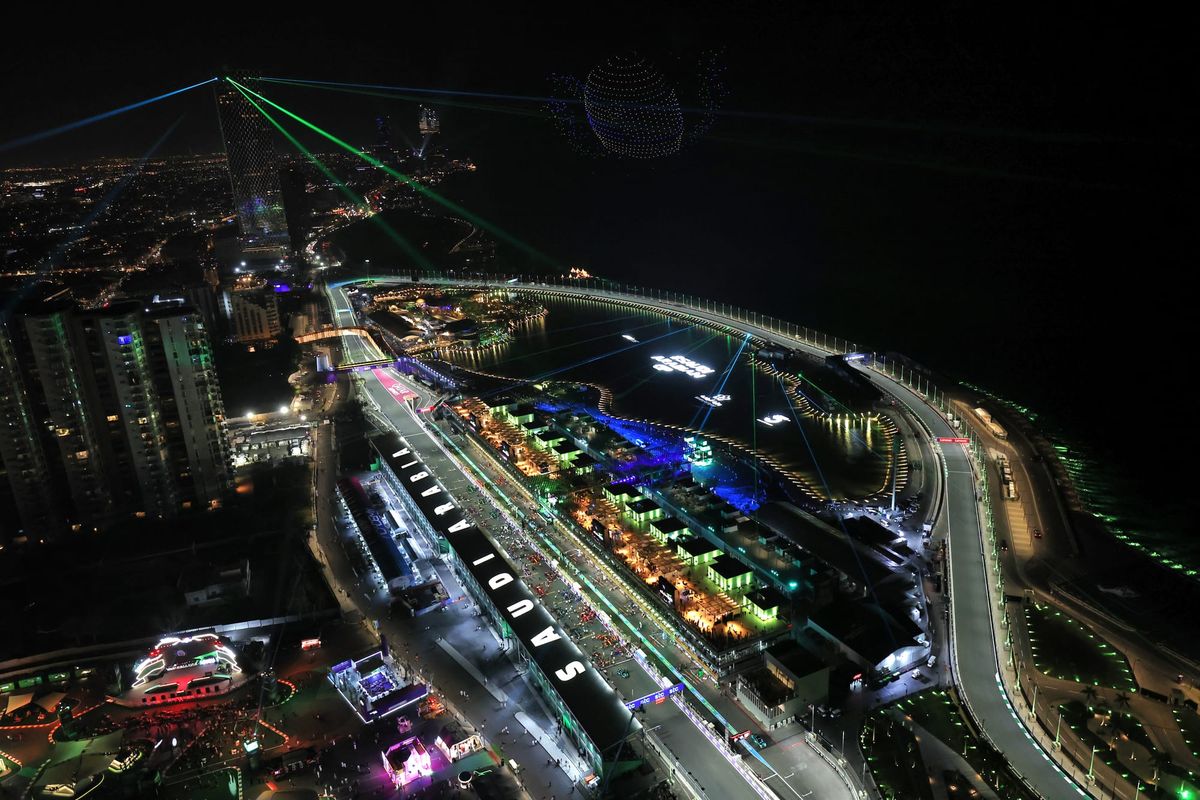
- The "Bizarre" Location: Bahrain was chosen because, unlike European tracks with permanent soaking systems (e.g., Fiorano, Paul Ricard), its surface creates the high tire degradation Pirelli needs for relevant data.
- Desert Rainmakers: Bahrain circuit organizers have devised a special sprinkler system to consistently wet the track, a request Pirelli's Mario Isola called "strange." The goal is to maintain a uniform water level to ensure accurate tire comparisons.
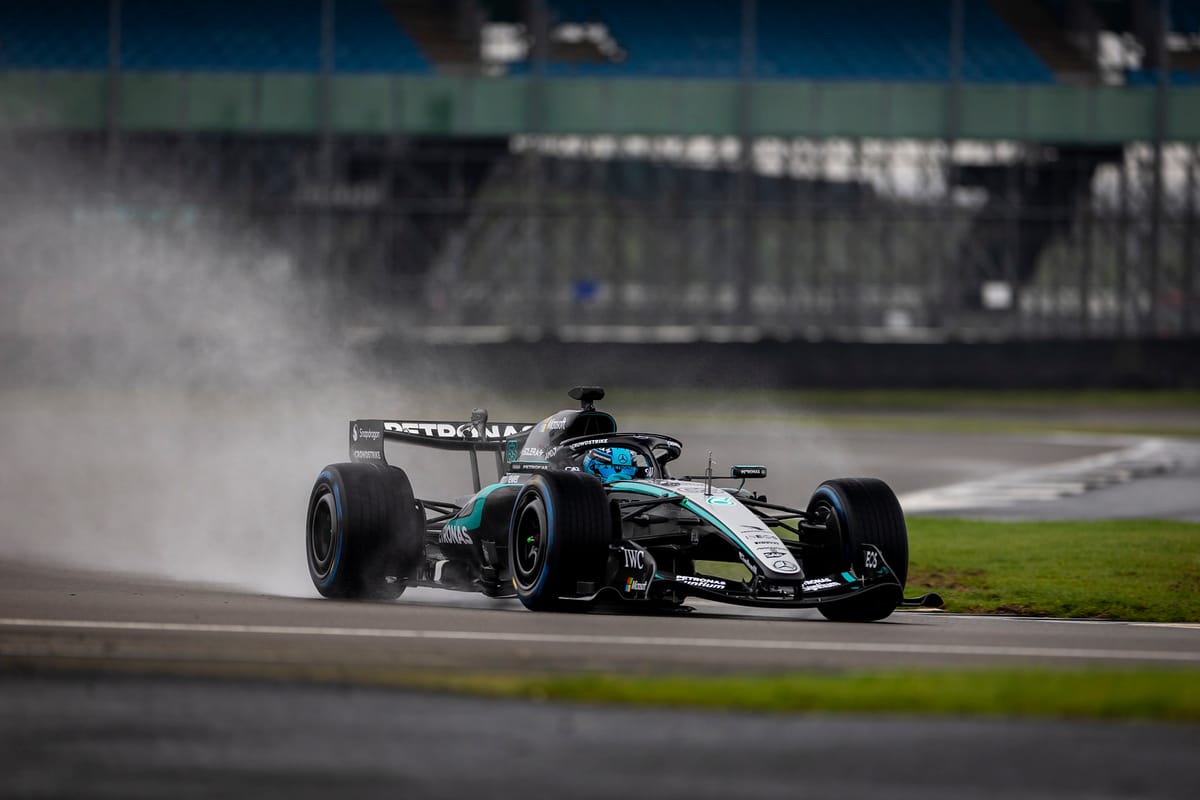
- The Cars: The test will utilize 2026 "mule cars" from McLaren and Mercedes, which are current chassis modified to simulate the expected aerodynamics and weight of the next-generation cars.
- Test Window: Running from afternoon into evening will allow Pirelli to gather data across changing track temperatures.
What's next:
The immediate goal is to develop a wet tire with a reduced "crossover time"—the point where intermediates become faster—making it a viable strategic option for teams. Success in Bahrain could lead to more usable wet-weather racing, fewer race stoppages, and better tires ready for the new 2026 car specifications. If the desert sprinkler system works, it may set a precedent for future testing in similarly harsh environments.
Don't miss the next lap
Get the deep dives and technical analysis from the world of F1 delivered to your inbox twice a week.
Zero spam. Only high-octane analysis. Unsubscribe anytime.
Join the inner circle
Get the deep dives and technical analysis from the world of F1 delivered to your inbox twice a week.
Zero spam. Only high-octane analysis. Unsubscribe anytime.
Continue Reading
View More News