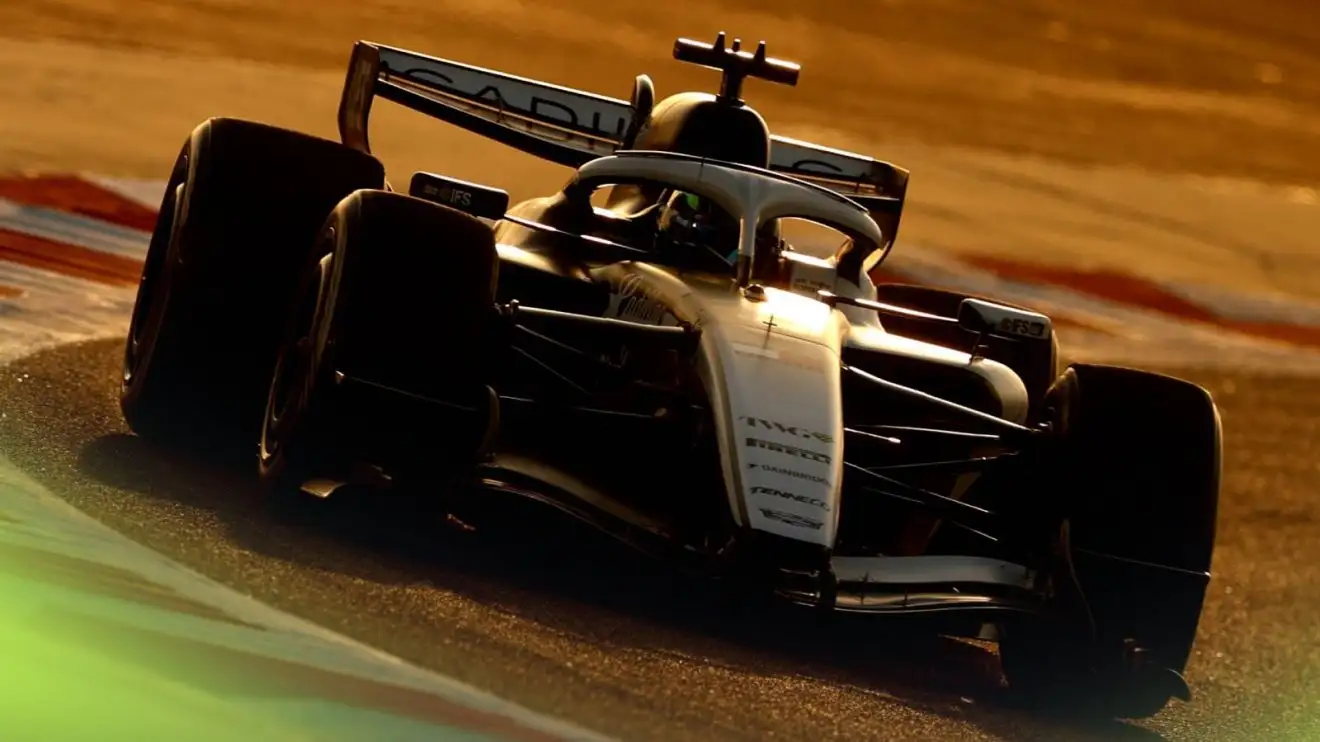
Pirelli Plans Unusual Wet Tire Test in Bahrain Amid 2026 F1 Changes
Pirelli is planning a rare wet-weather tire test at Bahrain's desert circuit to prepare for 2026 F1 changes, using mule cars from McLaren and Mercedes. The test aims to refine compounds for narrower tires and new aerodynamics, focusing on performance in abrasive conditions and improved visibility. Results could influence both tire development and Pirelli's contract extension discussions beyond 2027.
Pirelli is organizing a unique wet-weather tire test at the Bahrain International Circuit—a desert venue typically known for its heat and dryness—to gather crucial data for the 2026 Formula 1 season. The test, scheduled for February 28 and March 1, will use mule cars from McLaren and Mercedes to simulate current performance levels, focusing on how new, narrower tires interact with the revised car aerodynamics.
Why it matters:
With significant technical changes coming in 2026, including narrower front and rear tires and a move away from ground-effect aerodynamics, Pirelli needs to adapt its wet-weather compounds. Effective wet tires are essential for race safety and competitiveness, especially as F1 aims to improve visibility and reduce spray. This test in Bahrain’s abrasive conditions could provide valuable insights that aren’t available at traditional wet-testing circuits like Paul Ricard or Magny-Cours.
The details:
- Technical Challenges: The 2026 cars will have narrower 18-inch wheels, requiring tire adjustments to handle increased forces during acceleration and the instant downforce return when straight-line mode deactivates.
- Test Logistics: Pirelli plans three wet-weather tests this year, with Bahrain being the most unconventional. The circuit will use sprinklers and other devices to consistently wet the track, avoiding the cumbersome water tankers used elsewhere.
- Development Goals: Pirelli aims to reduce the crossover time between wet and intermediate tires, making the full wet tire more usable in race conditions where teams often prioritize minimizing pit stops.
- Visibility Improvements: The new car designs, without large diffusers, are expected to reduce spray, potentially improving visibility—a key factor for race directors deciding when to allow running in wet conditions.
What's next:
Pirelli’s contract as F1’s sole tire supplier runs until the end of 2027, with an option for 2028. The manufacturer is already considering taking up that option, leveraging F1 as a test bed for road-car tire technology. However, competition could intensify if rivals like Bridgestone or Hankook express interest in future tenders. Meanwhile, the data from Bahrain and other planned tests at Fiorano and French circuits will direct Pirelli’s wet-tire development, aiming to deliver compounds that match the 2026 cars’ unique demands.