Pirelli pleasantly surprised by 2026 F1 car performance in early simulations
Pirelli and the FIA report that early simulations for the radically new 2026 F1 cars show performance levels are surprisingly close to current cars, alleviating fears they would be significantly slower. While lap times will vary by circuit due to new active aero and energy rules, officials expect teams to rapidly develop the cars to match 2025 pace early in the season.
Early simulations and data from the first shakedowns of Formula 1's 2026 cars suggest performance will be much closer to current levels than initially feared, with Pirelli officials expressing pleasant surprise. FIA technical figures confirm the cars are meeting or exceeding initial performance predictions, despite a major regulatory overhaul designed to create lighter cars with less downforce and more electrical energy.
Why it matters:
The 2026 regulations represent the biggest technical shake-up in a generation, aimed at improving racing by reducing car weight and aerodynamic dependence. Initial concerns that the new cars would be drastically slower—potentially nearing Formula 2 performance—threatened to undermine the series' claim to being the pinnacle of motorsport. Early positive indicators are crucial for maintaining fan and stakeholder confidence during this transitional period.
The details:
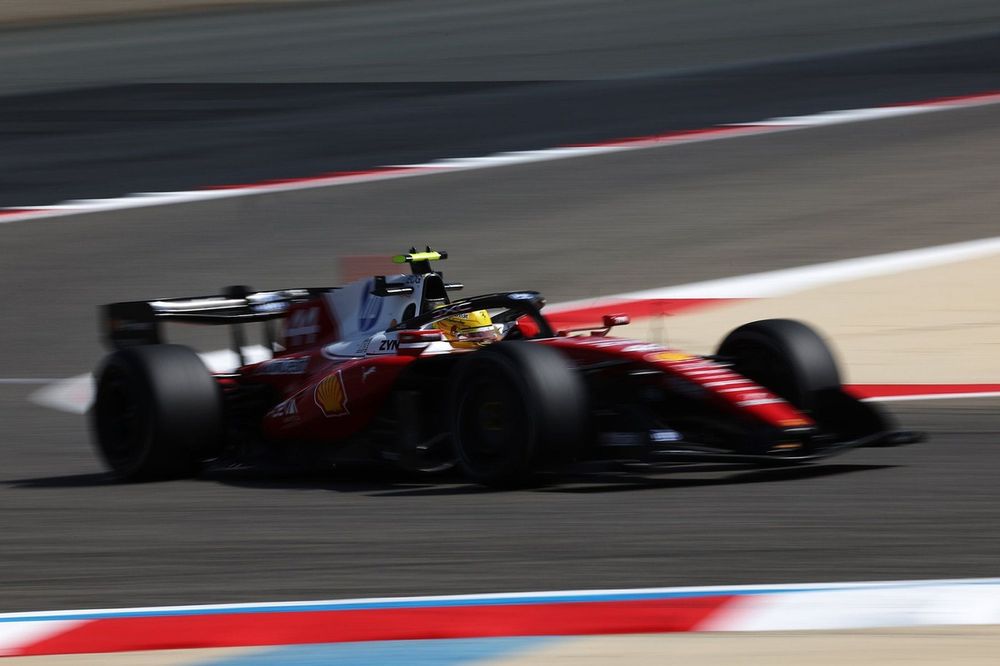
- Performance Benchmark: Following a collective shakedown in Barcelona, simulations for the Bahrain circuit indicate the 2026 cars could post lap times "substantially in line" with 2025, a result Pirelli's Mario Isola called "quite surprising."
- Initial Data: In Barcelona, cars were reported to be roughly 2.5 to 3 seconds slower than 2025 race pace, despite cold track conditions and teams not pushing for performance, focusing instead on data collection.
- Official Perspective: FIA Single-Seater Technical Director Jan Monchaux stated the cars are "where we expected them to be, maybe even better than our predictions," but noted they are not yet running at minimum weight or with definitive fuel loads.
- Circuit Dependency: Performance will vary significantly by track due to the new rules' emphasis on active aerodynamics and energy management. Monchaux predicts that on some circuits, 2026 race pace will match 2025, while on others, cars may initially be "a few seconds behind."
What's next:
The true performance picture will crystallize as teams progress through development. The first official pre-season test in Bahrain this week is not expected to show representative pace, but performance is anticipated to improve markedly by the second Bahrain test in late February and the season-opening Grand Prix in April. Monchaux is confident that with early-season updates, teams will quickly close any performance gap to the 2025 benchmarks, ensuring Formula 1 remains decisively ahead of the junior categories.
Don't miss the next lap
Get the deep dives and technical analysis from the world of F1 delivered to your inbox twice a week.
Zero spam. Only high-octane analysis. Unsubscribe anytime.
Join the inner circle
Get the deep dives and technical analysis from the world of F1 delivered to your inbox twice a week.
Zero spam. Only high-octane analysis. Unsubscribe anytime.
Continue Reading
View More News